
Fresh-Milled Whole Wheat Waffles
Prep
10 min
Bake
20 min
Total time
30 min

Fresh-milled waffles need a 10-minute batter rest so the bran can fully hydrate, and skipping it is why whole-grain waffles taste gritty. Separating the eggs and folding in whipped whites is the biggest upgrade available here, costing two minutes and noticeably lightening the texture. Cook 4 to 5 minutes per waffle and hold finished ones on a rack in a 200F oven rather than stacking them.
Key Takeaways
- Hydration: Buttermilk produces the tangiest, lightest waffle — sub regular milk + 1 Tbsp vinegar in a pinch.
- Storage: Freeze on a sheet pan, then bag. Toast directly from frozen.
- Substitutions: Spelt flour works 1:1 for a slightly sweeter waffle.
About this recipe
Baking with freshly milled hard white wheat flour transforms an everyday recipe into something extraordinary. Within minutes of milling, whole-grain flour is bursting with natural oils and a sweet wheaty aroma — the part that fades first once flour sits — and it still carries the whole berry: bran, germ, and endosperm. Commercial white flour has the bran and germ removed and is stabilized for months of shelf life — fresh milling skips all of that, so you bake with the whole grain and with the aroma still in it. These crisp-on-the-outside, fluffy-on-the-inside waffles will spoil you for every other waffle recipe. Fresh-milled hard white wheat brings a sweet, nutty flavor that pairs perfectly with maple syrup and fresh fruit. The batter rests briefly while the iron heats — that rest is essential because it lets the bran fully hydrate, eliminating any graininess and producing a uniformly tender interior. Separating the eggs and folding in whipped whites is the single biggest upgrade you can make to a waffle recipe. It takes an extra two minutes and creates a noticeably lighter texture. Make a double batch — extras freeze well and reheat in the toaster for a 90-second weekday breakfast.
Ingredients
- Fresh-milled hard white wheat flour250 g (about 2 cups)
- Sugar2 Tbsp
- Baking powder2 tsp
- Fine sea salt½ tsp
- Buttermilk500 g (2 cups)
- Large eggs, separated2
- Melted butter85 g (6 Tbsp)
- Vanilla extract1 tsp
Instructions
- 1
Mill the wheat berries and let cool. Whisk flour, sugar, baking powder, and salt in a large bowl.
- 2
Whisk buttermilk, egg yolks, melted butter, and vanilla in a separate bowl.
- 3
Pour wet into dry and whisk until just combined.
- 4
Let the batter rest 10 minutes while you preheat the waffle iron.
- 5
In a clean bowl, beat the egg whites to soft peaks.
- 6
Gently fold the whites into the batter in two additions — keep the volume.
- 7
Lightly grease the waffle iron and ladle batter according to your iron's directions.
- 8
Cook until deep golden brown and crisp, about 4–5 minutes per waffle.
- 9
Hold finished waffles on a wire rack in a 200°F oven to keep them crisp.
- 10
Serve with maple syrup, butter, fresh berries, or whipped cream.
- 11
Freeze leftovers in zip bags and reheat directly in the toaster.
home grain milling tutorial — hydration, gluten development, and grain choice tips that make this recipe work.
Learn about this grain: Hard White Wheat guide — flavor, milling notes, baking tips, and four in-depth guides on hydration, storage, and common mistakes. Or browse more Hard White Wheat recipes.
Related recipes
Browse all recipes →
Sourdough Discard Waffles
Sourdough discard is the most underrated ingredient in a fresh milled baker's kitchen. Instead of throwing it out, turn it into the best waffles you have ever made. The discard contributes acidity that tenderizes whole wheat flour and develops a flavor profile that boxed mixes cannot touch. The trick is the overnight rest. Mixed the night before and parked in the fridge, the discard batter softens the bran, hydrates the flour fully, and ferments slightly — producing waffles that crisp on the outside and stay fluffy inside. A splash of melted butter in the batter (not just on top) ensures shatter-crisp edges. This recipe makes about 8 standard waffles or 4 large Belgian waffles.

Fresh-Milled Sourdough Discard Pancakes
Light, tangy pancakes that use up sourdough discard and fresh-milled flour in 15 minutes — no overnight prep required.

Fresh Milled Whole Wheat Waffles
Crisp-edged, tender whole wheat waffles made with freshly milled flour. Yields 6 standard or 4 Belgian waffles. Prep 10 min, batter rest 10 min, cook 4–5 min per waffle.
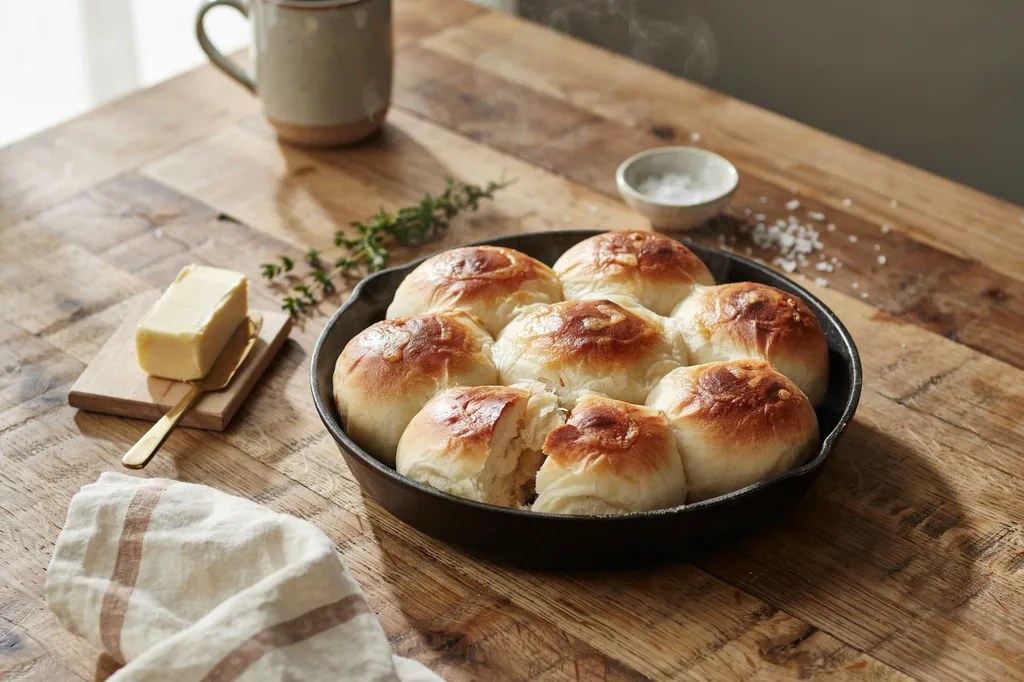
Sourdough Dinner Rolls
If you can bake a sourdough boule, you can bake sourdough dinner rolls — they just want a softer dough and a little enrichment. Butter, whole milk, and a touch of honey turn a workhorse sourdough into a holiday-table roll that pulls apart cleanly, smells like a bakery, and reheats beautifully. Fresh milled hard white wheat keeps the rolls feeling familiar to people who think they don't like whole wheat. The cold retard does double duty: it builds flavor that store-bought rolls cannot match, and it makes the timing flexible enough to work around dinner. A few habits make these rolls reliable: weigh the dough balls (the table will judge you if one is twice the size of another), brush with melted butter the moment they come out of the oven, and don't over-bake. Internal temperature of 195°F (90°C) is right — anything more and you lose the tenderness that makes them magical.
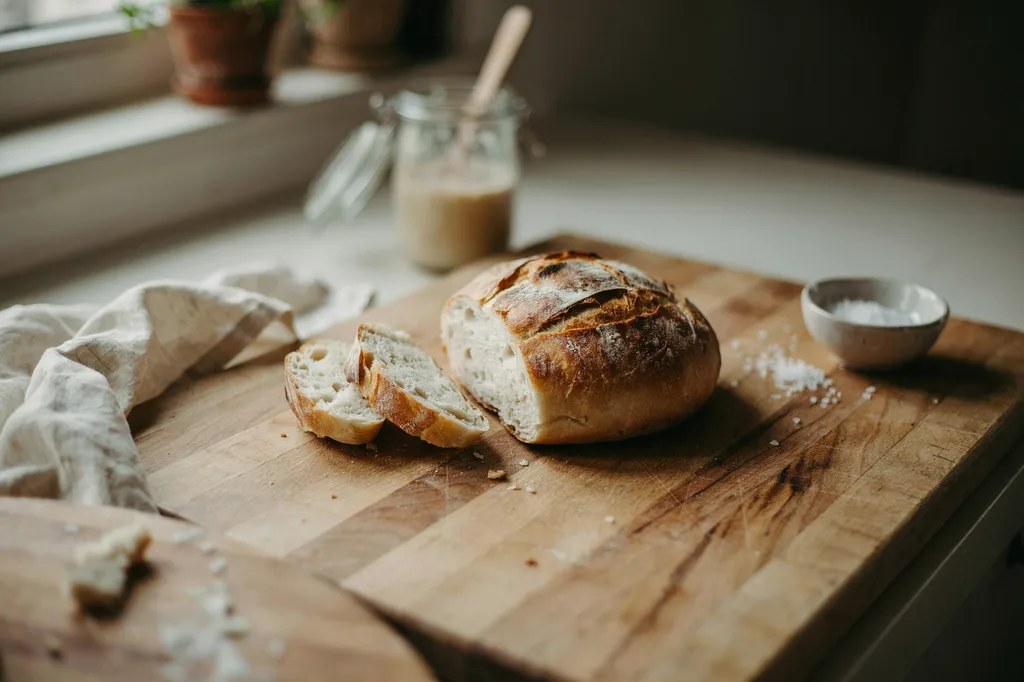
Beginner Fresh Milled Sourdough
If you have ever felt that fresh milled sourdough was reserved for experienced bakers, this recipe is designed to prove otherwise. Fresh milled flour behaves differently from store-bought whole wheat: the bran is sharper, the germ is still alive, and the flour drinks water more slowly. Beginners often get pucks and gum-line crumb not because they did something wrong, but because the recipe was never written for fresh flour in the first place. This loaf is. It uses 100% freshly milled hard white wheat for a mild flavor that wheat-skeptics actually enjoy, an extra-long autolyse so the bran fully hydrates, and a generous 78% hydration that fresh flour can comfortably handle. A slow overnight cold retard does most of the work — you get the flavor of a 24-hour sourdough without standing over the dough. The single biggest tip for a beginner: trust the timeline, not the clock. Fresh milled doughs ferment faster than white-flour recipes you may have made before, so watch for a 50–75% rise in bulk rather than a fixed two-hour window. Use a clear straight-sided container and mark the start line. If it hits that line in 4 hours instead of 6, shape early. You will also want a young, active starter. Feed it 6–10 hours before mixing so it peaks while you are autolysing. The recipe assumes a 100% hydration starter; if yours is stiffer, just bump the water by 10 g. No Dutch oven? A heavy cast-iron pan with a stainless bowl inverted on top works perfectly for the first 20 minutes of steam, which is the only part of the bake that really matters for ear and oven spring.
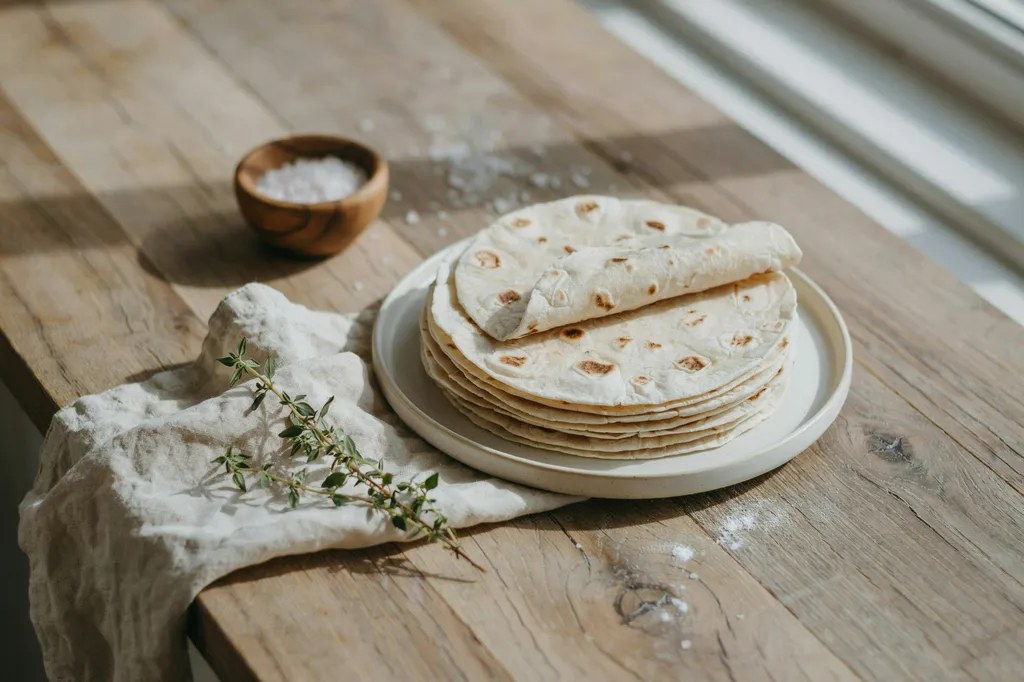
Fresh Milled Flour Tortillas
Fresh milled flour tortillas put store-bought to shame. The dough takes 10 minutes, no yeast, no proof — just mix, rest 30 minutes, roll, and griddle. The result is a soft, pliable tortilla with real wheat flavor that wraps without cracking. The key to soft tortillas is a small amount of fat and hot (not boiling) water. The fat coats the proteins and prevents toughness; hot water relaxes the dough so it rolls thin without springing back. Lard is traditional and best, but butter or neutral oil work well. Keep the heat moderate and don't overcook. Tortillas should puff slightly, develop a few brown spots, and remain flexible. Stack and wrap in a towel as you go so they steam soft. Makes 8 tortillas.