
Homemade Soft Pretzels
Prep
40 min
Bake
14 min
Total time
54 min
Hydration
62%
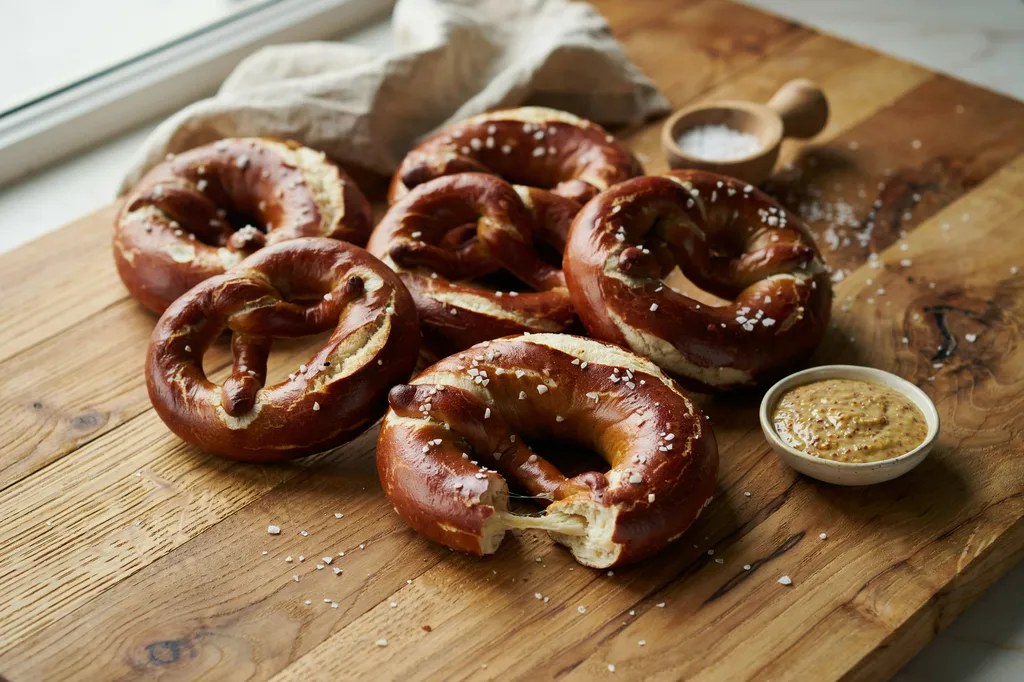
Fresh-milled soft pretzels run at 62% hydration for a firm, chewy interior, and you get the dark mahogany crust without handling lye by baking plain baking soda at 250F for an hour first. That converts it to sodium carbonate, which is far more alkaline than raw baking soda and gets close to lye results. Dip for 30 seconds, then bake at 450F.
Key Takeaways
- Hydration: 62% gives the firm, chewy interior pretzels are known for.
- Storage: Best within 4 hours of baking. Refresh leftovers with a quick 350°F oven warm-up.
- Substitutions: Lye is the traditional bath if you're comfortable handling it — use 4% solution by weight.
About this recipe
Baking with freshly milled hard white wheat flour transforms an everyday recipe into something extraordinary. Within minutes of milling, whole-grain flour is bursting with natural oils and a sweet wheaty aroma — the part that fades first once flour sits — and it still carries the whole berry: bran, germ, and endosperm. Commercial white flour has the bran and germ removed and is stabilized for months of shelf life — fresh milling skips all of that, so you bake with the whole grain and with the aroma still in it. There's a reason soft pretzels are sold at ballparks, malls, and bakeries everywhere — that signature deep mahogany crust and chewy interior is hard to resist. The good news is that fresh-milled hard white wheat pretzels taste even better than the commercial version: nutty, fragrant, and with a tender chew underneath a glossy crust. The traditional pretzel boil-and-bake uses a food-grade lye solution; this recipe uses baked baking soda (a safe, home-friendly substitute) that produces nearly identical results. Serve warm with mustard, cheese sauce, or simply with a sprinkle of coarse salt. The dough also works for pretzel bites, pretzel buns, and stuffed pretzels.
Ingredients
- Fresh-milled hard white wheat flour500 g
- Warm water300 g
- Brown sugar20 g
- Instant yeast7 g
- Fine sea salt10 g
- Unsalted butter, softened30 g
- Baked baking soda (for the bath)½ cup
- Water (for the bath)8 cups
- Coarse pretzel salt for toppingas needed
Instructions
- 1
To bake the baking soda: spread 1 cup baking soda on a foil-lined sheet and bake at 250°F for 1 hour. Cool and store in a jar.
- 2
Mill the wheat berries and let cool.
- 3
Combine warm water, brown sugar, and yeast in a stand mixer; let foam.
- 4
Add flour, salt, and butter. Knead 8 minutes on medium until smooth and slightly tacky.
- 5
Bulk ferment 60 minutes until nearly doubled.
- 6
Divide into 8 pieces (about 100 g each) and roll each into a 24-inch rope, thicker in the middle.
- 7
Shape into pretzels: form a U, twist the ends twice, and fold down onto the bottom of the U.
- 8
Refrigerate the shaped pretzels uncovered for 30 minutes to firm up.
- 9
Preheat oven to 450°F (230°C). Bring 8 cups water + ½ cup baked baking soda to a low simmer.
- 10
Dip each pretzel in the soda bath for 30 seconds, drain, and place on parchment.
- 11
Sprinkle with coarse salt, slash the thick belly with a sharp blade, and bake 12–15 minutes until deep mahogany.
fresh flour baking guide for beginners — hydration, gluten development, and grain choice tips that make this recipe work.
Learn about this grain: Hard White Wheat guide — flavor, milling notes, baking tips, and four in-depth guides on hydration, storage, and common mistakes. Or browse more Hard White Wheat recipes.
Related recipes
Browse all recipes →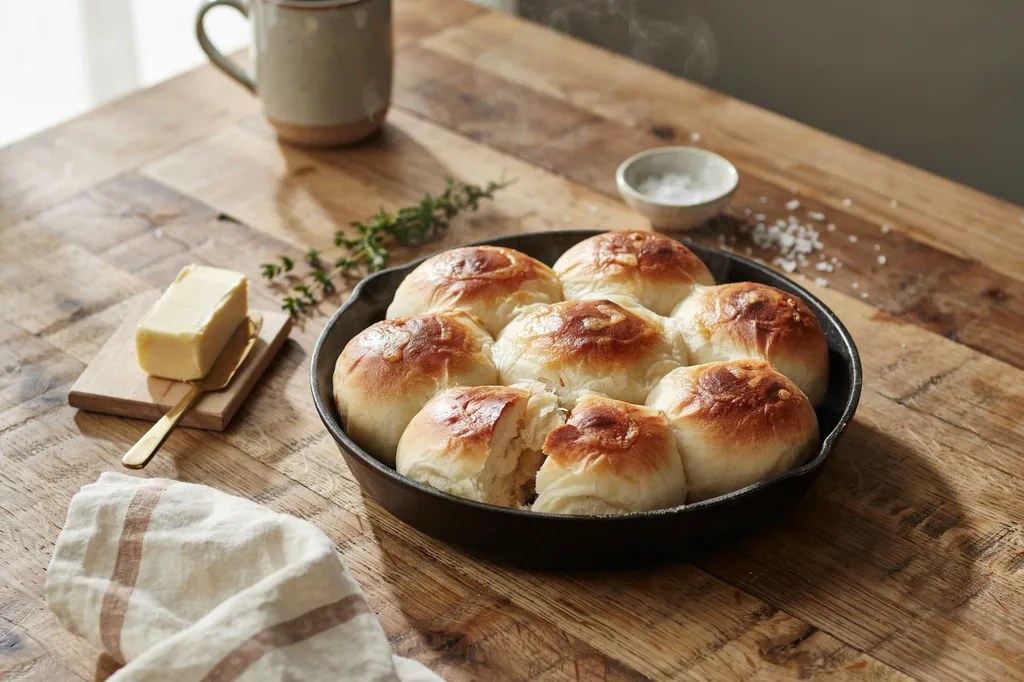
Sourdough Dinner Rolls
If you can bake a sourdough boule, you can bake sourdough dinner rolls — they just want a softer dough and a little enrichment. Butter, whole milk, and a touch of honey turn a workhorse sourdough into a holiday-table roll that pulls apart cleanly, smells like a bakery, and reheats beautifully. Fresh milled hard white wheat keeps the rolls feeling familiar to people who think they don't like whole wheat. The cold retard does double duty: it builds flavor that store-bought rolls cannot match, and it makes the timing flexible enough to work around dinner. A few habits make these rolls reliable: weigh the dough balls (the table will judge you if one is twice the size of another), brush with melted butter the moment they come out of the oven, and don't over-bake. Internal temperature of 195°F (90°C) is right — anything more and you lose the tenderness that makes them magical.
Beginner Fresh Milled Sourdough
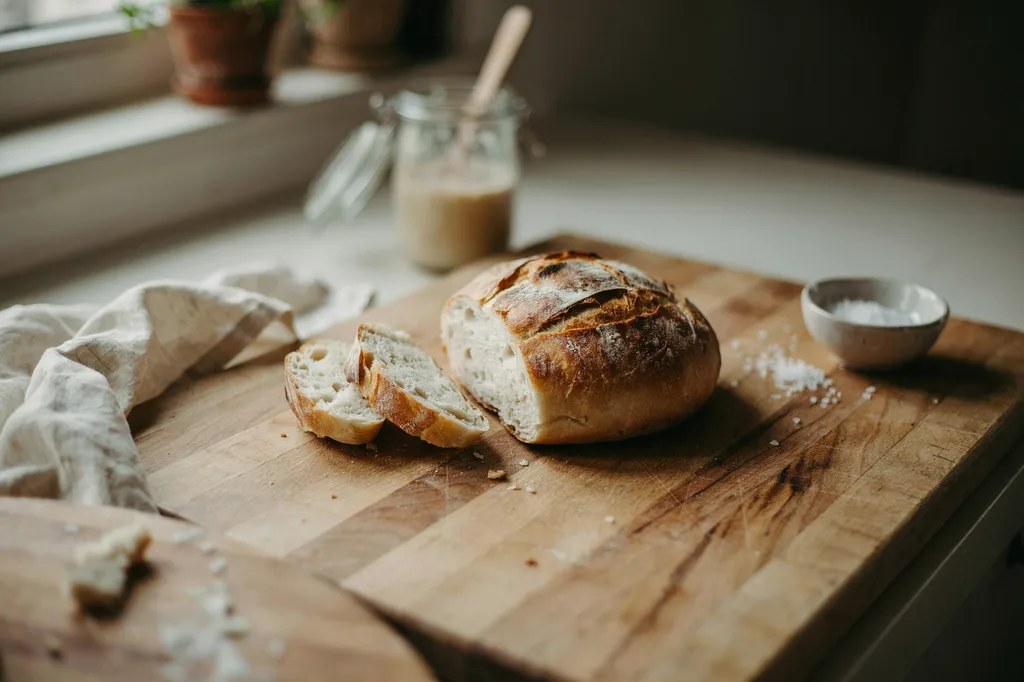
If you have ever felt that fresh milled sourdough was reserved for experienced bakers, this recipe is designed to prove otherwise. Fresh milled flour behaves differently from store-bought whole wheat: the bran is sharper, the germ is still alive, and the flour drinks water more slowly. Beginners often get pucks and gum-line crumb not because they did something wrong, but because the recipe was never written for fresh flour in the first place. This loaf is. It uses 100% freshly milled hard white wheat for a mild flavor that wheat-skeptics actually enjoy, an extra-long autolyse so the bran fully hydrates, and a generous 78% hydration that fresh flour can comfortably handle. A slow overnight cold retard does most of the work — you get the flavor of a 24-hour sourdough without standing over the dough. The single biggest tip for a beginner: trust the timeline, not the clock. Fresh milled doughs ferment faster than white-flour recipes you may have made before, so watch for a 50–75% rise in bulk rather than a fixed two-hour window. Use a clear straight-sided container and mark the start line. If it hits that line in 4 hours instead of 6, shape early. You will also want a young, active starter. Feed it 6–10 hours before mixing so it peaks while you are autolysing. The recipe assumes a 100% hydration starter; if yours is stiffer, just bump the water by 10 g. No Dutch oven? A heavy cast-iron pan with a stainless bowl inverted on top works perfectly for the first 20 minutes of steam, which is the only part of the bake that really matters for ear and oven spring.
Fresh Milled Flour Tortillas
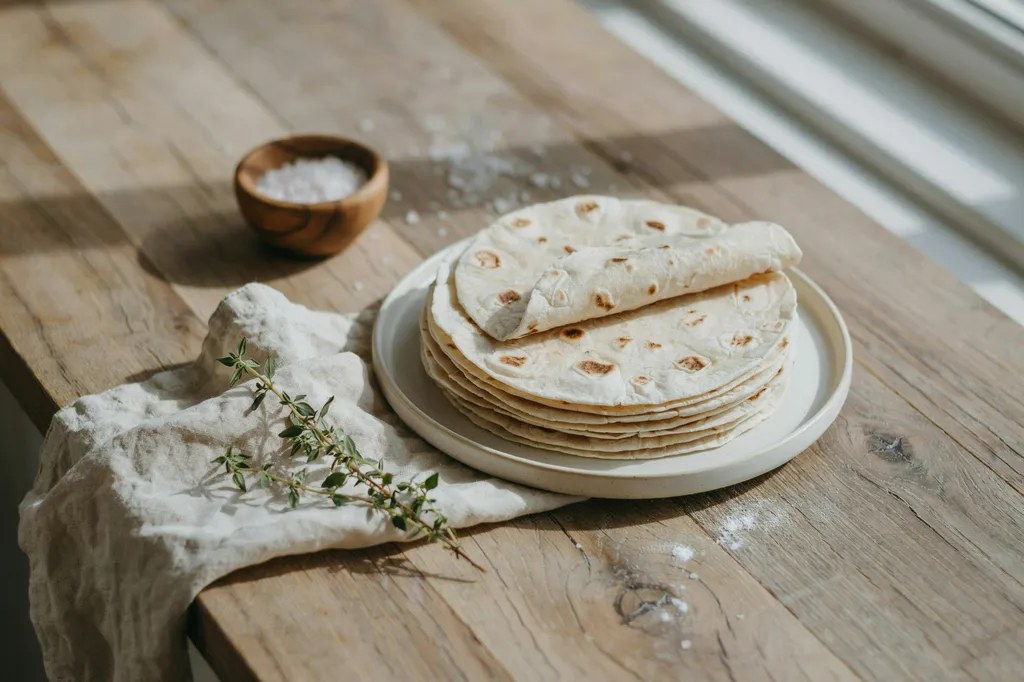
Fresh milled flour tortillas put store-bought to shame. The dough takes 10 minutes, no yeast, no proof — just mix, rest 30 minutes, roll, and griddle. The result is a soft, pliable tortilla with real wheat flavor that wraps without cracking. The key to soft tortillas is a small amount of fat and hot (not boiling) water. The fat coats the proteins and prevents toughness; hot water relaxes the dough so it rolls thin without springing back. Lard is traditional and best, but butter or neutral oil work well. Keep the heat moderate and don't overcook. Tortillas should puff slightly, develop a few brown spots, and remain flexible. Stack and wrap in a towel as you go so they steam soft. Makes 8 tortillas.
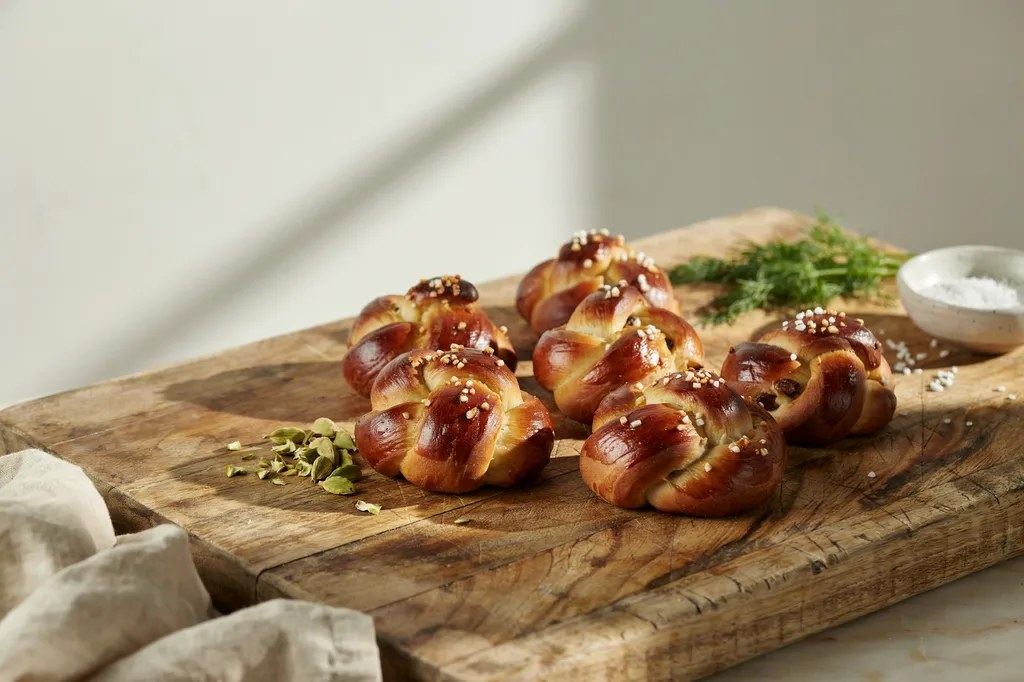
Cardamom Buns
Scandinavian cardamom buns are a true baker's pastry: enriched yeasted dough rolled out, spread with butter and cardamom-sugar, folded in three, sliced into strips, and twisted into knots. The technique looks elaborate but is genuinely doable, and the resulting bun is one of the most aromatic things you can pull from your oven. Fresh milled hard white wheat gives the dough body and a slightly nutty character that pairs beautifully with cardamom. Toast and freshly grind your cardamom seeds if you can — pre-ground loses half its punch within weeks. Makes 12 generous buns.
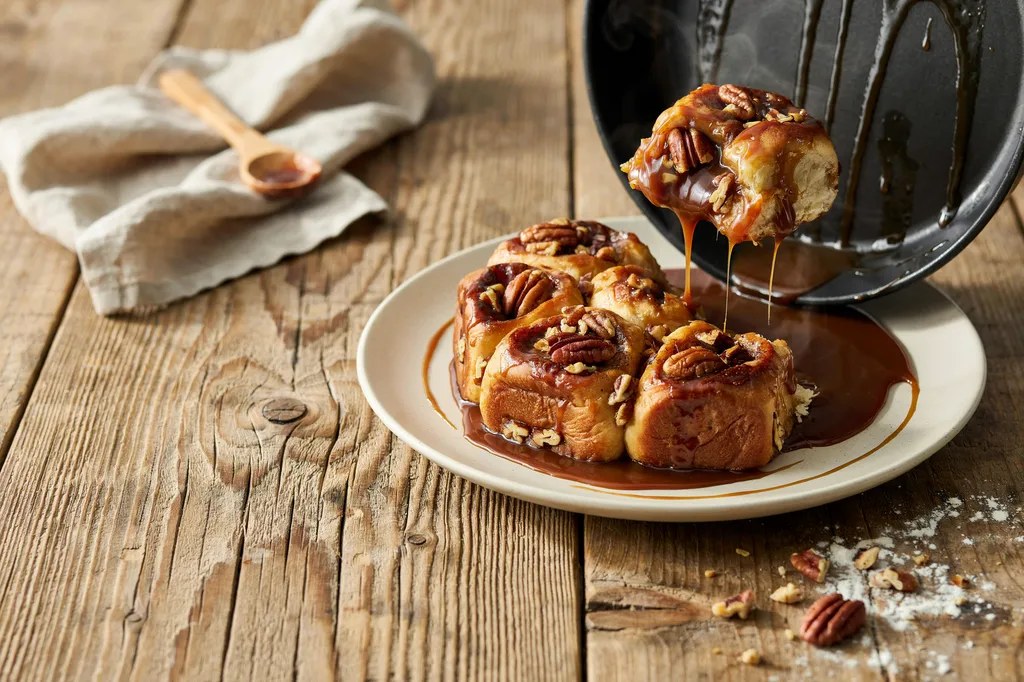
Sticky Buns
Sticky buns are cinnamon rolls' richer, more dramatic sibling. The buns bake on top of a brown sugar caramel studded with pecans; once baked and flipped, the caramel becomes the topping. The fresh milled flour adds depth that supports the heavy sweetness — bakery sticky buns can taste cloying, but the whole-grain version remains balanced. Make the dough the night before, retard cold, assemble in the morning, and bake straight from the fridge for a relaxed holiday breakfast. The buns must be flipped within 2 minutes of leaving the oven or the caramel sets and rips the buns apart.
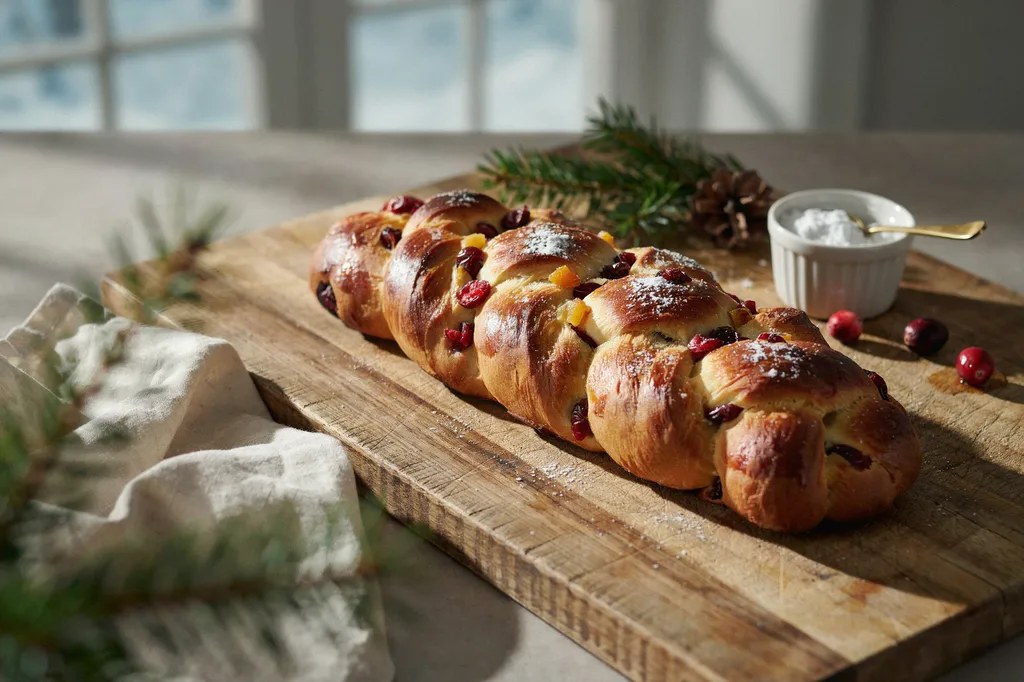
Christmas Bread
This braided Christmas bread is a centerpiece loaf — slightly sweet, lightly spiced, beautifully shaped, and welcome on any holiday table. Less assertive than stollen, more polished than dinner rolls, it splits the difference and pairs equally well with breakfast butter and Christmas dinner. The dough is a classic enriched bread: milk, eggs, butter, sugar. Cardamom and orange zest provide a holiday warmth without being overpowering. A 4-strand braid sounds intimidating but is genuinely simple — see the step-by-step instructions. Brush twice with egg wash for the deepest, most golden crust, and finish with pearl sugar for festive crunch.