
100% Spelt Sandwich Bread
Prep
30 min
Bake
35 min
Total time
1 hr 5 min
Hydration
64%
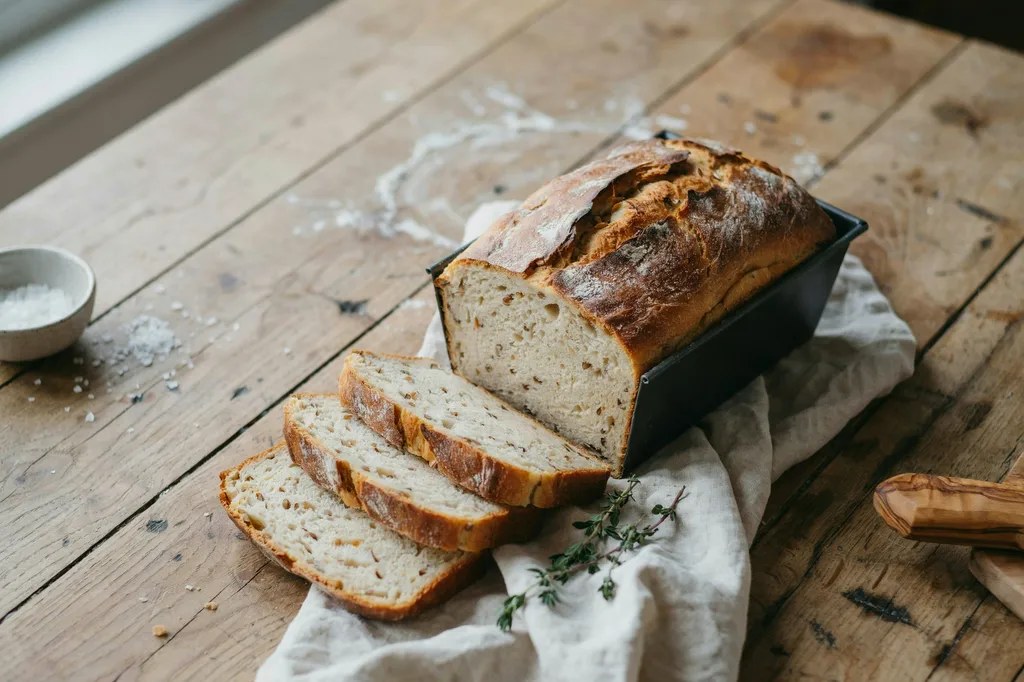
Spelt gluten is weaker than wheat — keep hydration at 64%, knead briefly, and shape gently for a soft sliceable 100% spelt sandwich loaf.
Key Takeaways
- Spelt absorbs water fast but its gluten breaks down quickly — never over-knead.
- A 20-minute autolyse is enough; longer can leave the dough slack.
- Honey adds tenderness and helps browning at the lower bake temperature.
- Proof to 1 inch above the pan rim — over-proofing causes spelt to collapse.
About this recipe
A soft, tender 100% fresh-milled spelt sandwich loaf with a tight even crumb — designed to slice cleanly without crumbling.
Ingredients
- Fresh-milled spelt flour500 g
- Water (95°F)320 g
- Instant yeast6 g
- Honey25 g
- Olive oil20 g
- Fine sea salt9 g
Instructions
- 1
Mill 500 g of spelt berries on the finest setting. Let cool to room temperature.
- 2
Whisk water, honey, and yeast. Let bloom 5 minutes.
- 3
Add flour, oil, and salt. Mix to a shaggy dough. Rest 20 minutes (short autolyse — spelt gluten is delicate).
- 4
Knead by hand 5–6 minutes or stand mixer 4 minutes on low. Stop as soon as the dough cleans the bowl — spelt over-kneads quickly.
- 5
Bulk ferment 60–75 minutes at 78°F, until 60% larger.
- 6
Shape into a tight log. Place seam-down in a greased 9×5 pan.
- 7
Proof 35–50 minutes until the dough crests 1 inch above the rim.
- 8
Bake at 375°F for 35 minutes. Internal temp 200°F.
- 9
Turn out immediately. Cool on a rack 1 hour before slicing.
beginner home milling guide — hydration, gluten development, and grain choice tips that make this recipe work.
Learn about this grain: Spelt guide — flavor, milling notes, baking tips, and four in-depth guides on hydration, storage, and common mistakes. Or browse more Spelt recipes.
Learn a technique
All guides →Related recipes
Browse all recipes →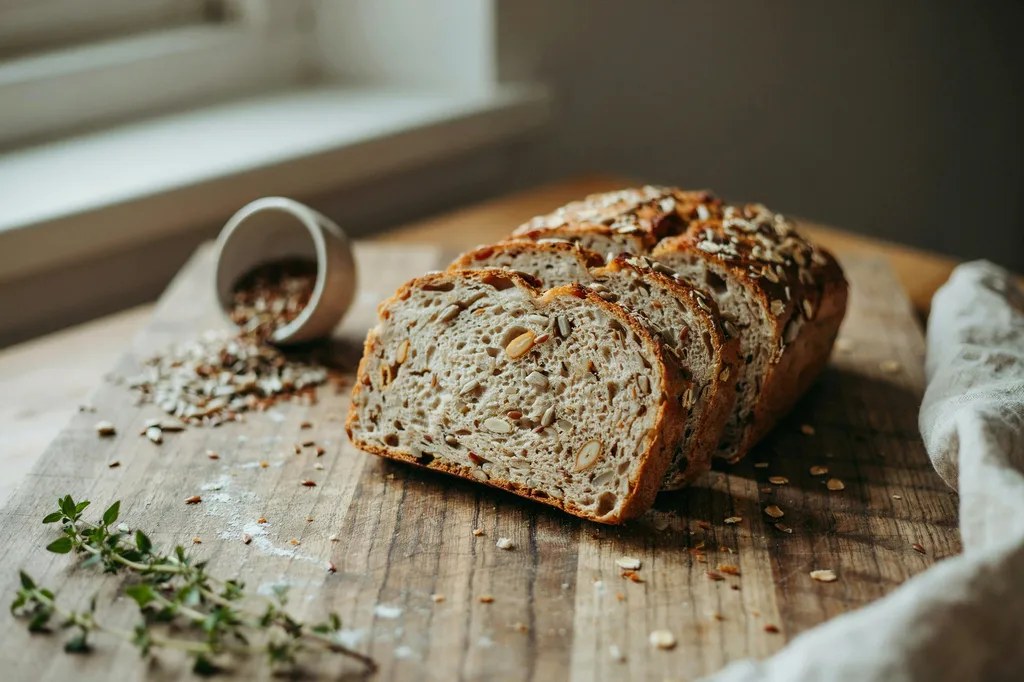
Fresh-Milled Multigrain Bread
Baking with freshly milled hard white wheat, spelt, and rye flour transforms an everyday recipe into something extraordinary. Within minutes of milling, whole-grain flour is bursting with natural oils and a sweet wheaty aroma — the part that fades first once flour sits — and it still carries the whole berry: bran, germ, and endosperm. Commercial white flour has the bran and germ removed and is stabilized for months of shelf life — fresh milling skips all of that, so you bake with the whole grain and with the aroma still in it. True multigrain bread is more than just a sprinkle of seeds on top — this loaf blends three different freshly milled grains for layered flavor and texture. Hard white wheat provides the strong gluten backbone, spelt adds a buttery sweetness, and rye contributes a deep, earthy aroma. The combination creates a hearty sandwich loaf with the kind of complex flavor you simply cannot buy from a grocery shelf. If you have a home mill, this is the recipe that justifies it. Milling small batches of each grain preserves the volatile oils that give multigrain bread its signature aroma. The dough is slightly more challenging than a single-grain loaf because rye lowers gluten strength, but a long autolyse and a gentle hand during shaping keeps the structure intact.
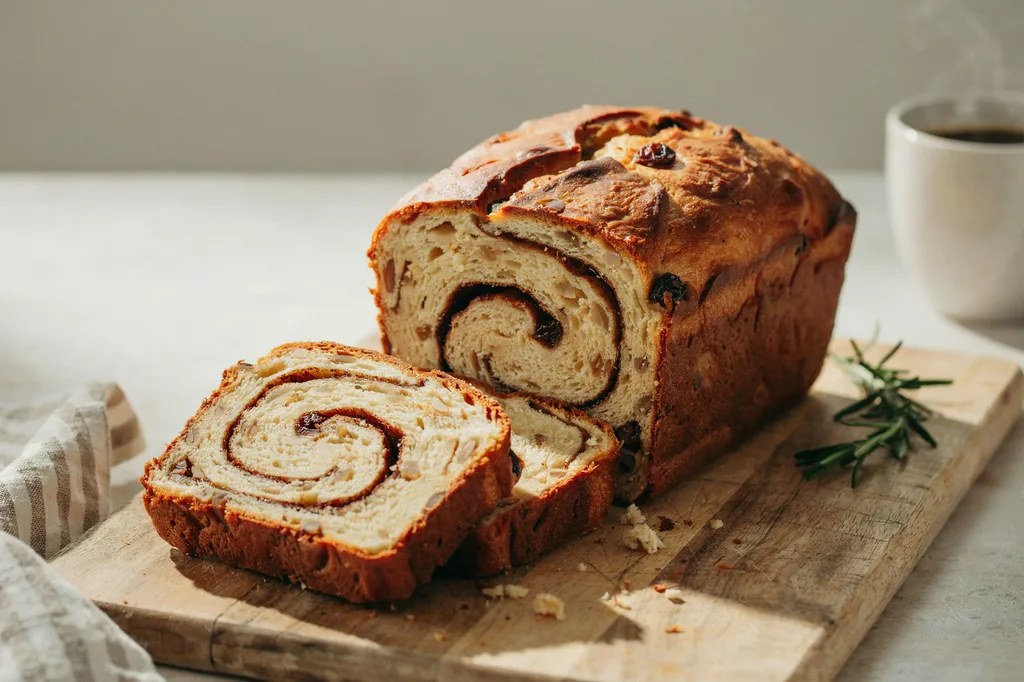
Fresh Milled Cinnamon Swirl Bread
Soft sandwich loaf with a bold cinnamon-sugar swirl, made with 100% fresh milled flour. Yield 1 (9x5) loaf. Prep 30 min, proof 2 hours, bake 40 min.
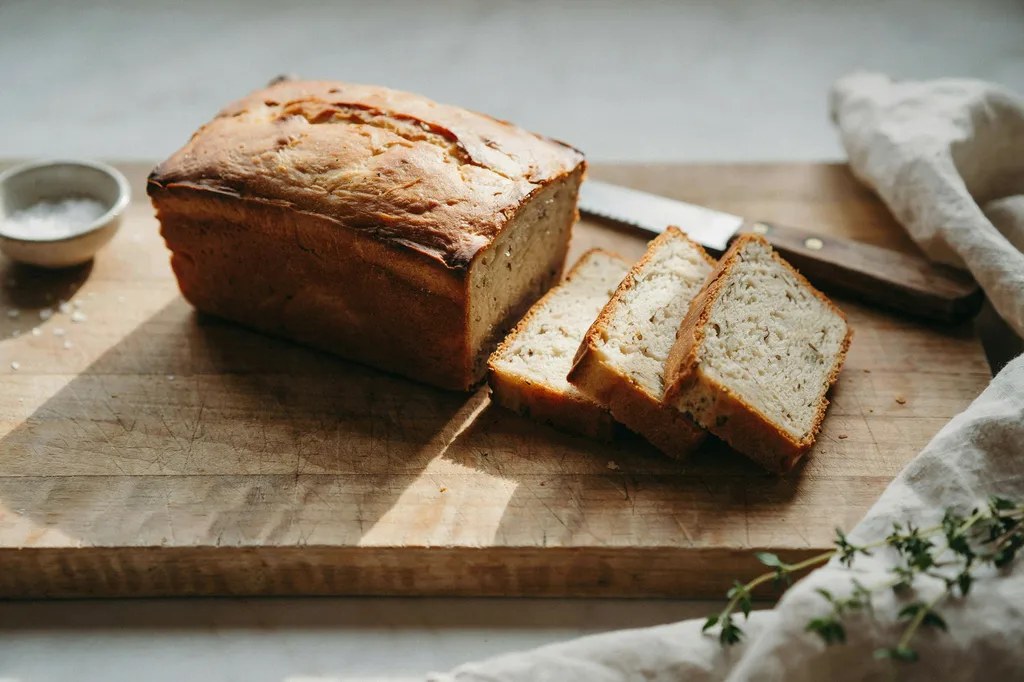
Fresh Milled Pullman Bread
Square-sided Pullman loaf with a fine, even crumb and tight crust — made with 100% fresh milled flour for the ultimate sandwich bread. Yield 1 (13-inch) Pullman loaf. Prep 25 min, proof 2 hours, bake 38 min.
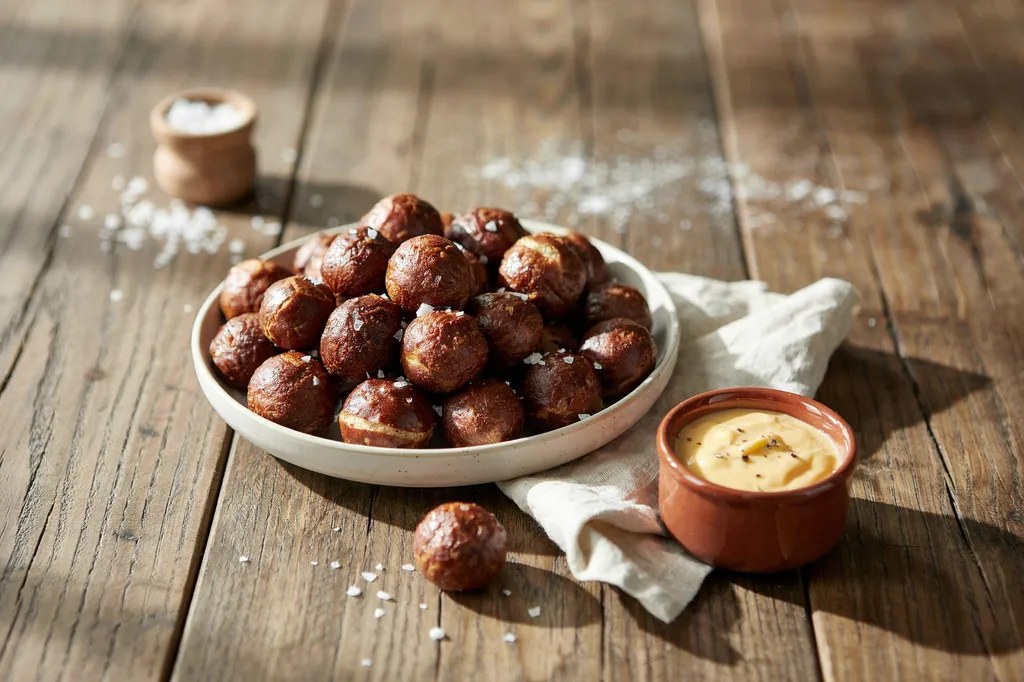
Fresh Milled Pretzel Bites
Snack-sized soft pretzel bites with chewy interior and deep crust, made with 100% fresh milled flour. Yield about 40 bites. Prep 25 min, proof 60 min, bake 12 min.
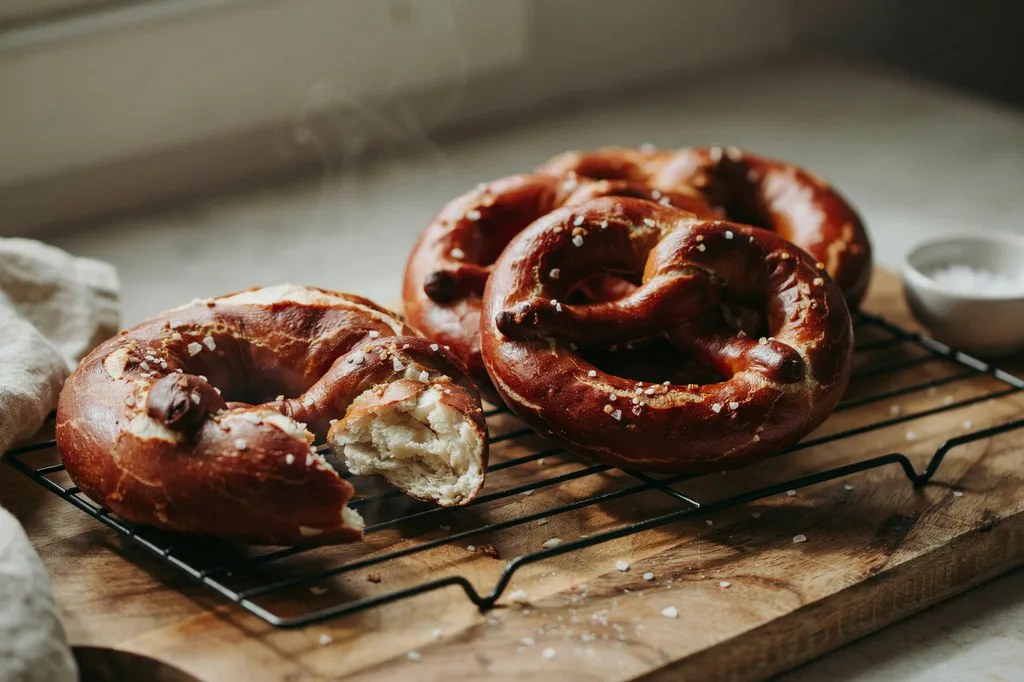
Fresh Milled Soft Pretzels
Traditional soft pretzels with deep mahogany crust and tender chew, made with 100% fresh milled flour. Yield 8 pretzels. Prep 30 min, proof 60 min, bake 14 min.
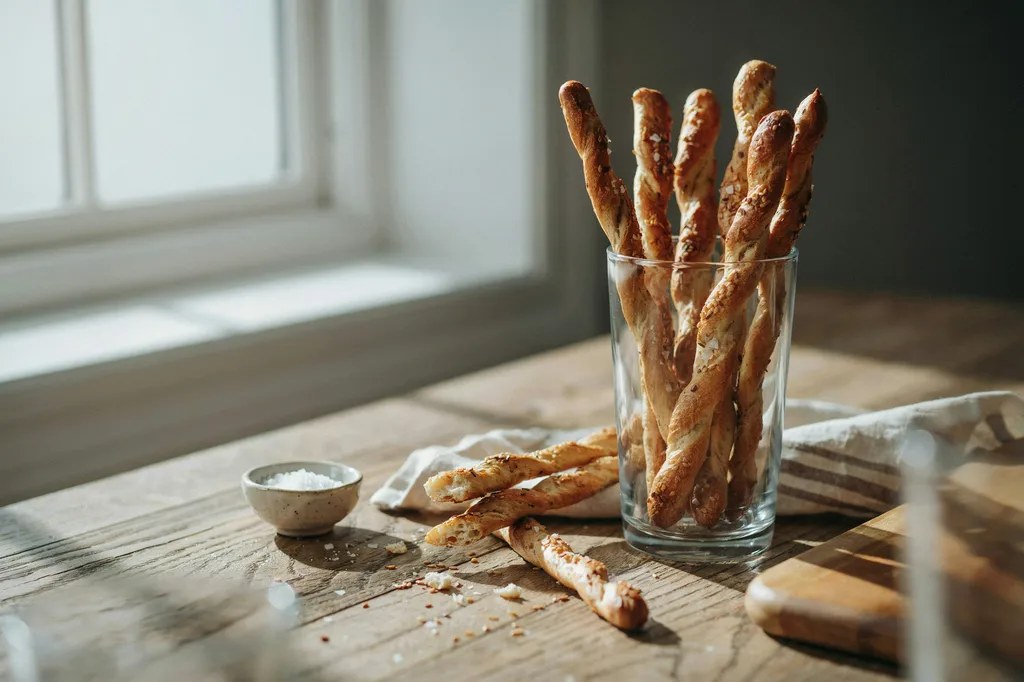
Fresh Milled Breadsticks
Soft, buttery breadsticks made with 100% fresh milled flour — perfect alongside soups, pasta, or salads. Yield 12 breadsticks. Prep 20 min, proof 75 min, bake 15 min.
Related Content
Recommended Grains
Related Techniques
How to Sift Fresh Milled Flour
Pass freshly milled flour through a 50 or 60 mesh sieve. Reserve the bran for porridge or rebake it in.
How to Stretch and Fold Dough
Every 30 minutes during bulk ferment, lift one side of the dough, stretch up, and fold over the top. Rotate 90° and repeat.
Related Troubleshooting
Why does my loaf crumble when sliced?
Slices fall apart, especially the heel.
Why is my fresh milled dough rising so slowly?
Fresh milled dough rises but takes far longer than expected to show visible volume change.
Why is my fresh milled dough too sticky?
Fresh milled dough sticks to hands, bench, and bannetons and never feels manageable.
Related Comparisons
Spelt vs Rye
Comparing spelt and rye — two ancient grains with very different gluten, flavor, and bread behavior.
Hard Red Wheat vs Spelt
Comparing hard red wheat and spelt for bread, flavor, gluten behavior, and digestibility.
Einkorn vs Spelt: Which Ancient Grain Should You Bake With?
Einkorn is older, more nutritious, and lower in gluten; spelt is easier to bake with and closer to modern wheat.