
Einkorn Sourdough
Prep
30 min
Bake
45 min
Total time
1 hr 15 min
Hydration
65%
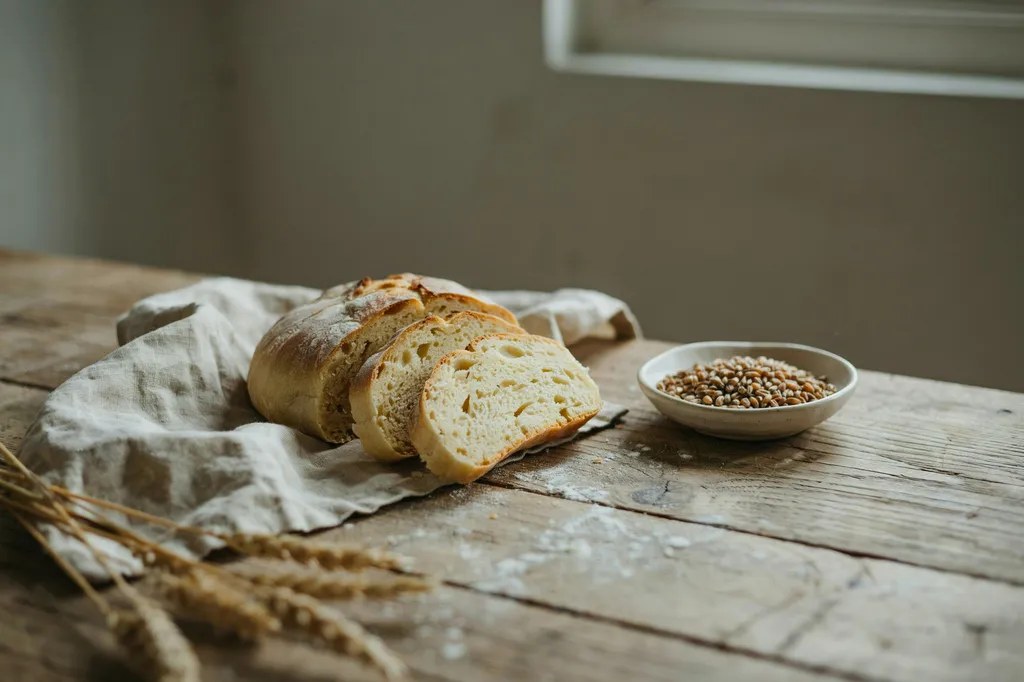
Einkorn sourdough is a low-hydration (65%), gently handled loaf made from 100% freshly milled einkorn. Its weaker gluten demands minimal kneading, a shorter bulk, and a watchful eye, but the result is a sweet, golden, nutty boule unlike any modern wheat bread.
Key Takeaways
- Einkorn gluten is weak — minimal kneading, only 2 gentle folds, and a short bulk.
- Lower hydration (65%) is non-negotiable. 78% wheat hydration will give you batter.
- Bulk ends earlier than feels comfortable — 30–40% rise, not 60%.
- Expect a flatter boule. Einkorn trades oven spring for unmatched flavor.
- A medium grind absorbs less water than fine; use it for a workable dough.
About this recipe
Einkorn is the oldest cultivated wheat — older than emmer, far older than modern bread wheat. Its kernels are tiny, its protein is high, but its gluten structure is fundamentally different: weak, fragile, and incapable of the long elastic windowpane modern doughs are famous for. Bakers who treat einkorn like modern wheat end up with sticky pancakes that collapse in the oven. The trick is to do less. Lower the hydration to 65%, mix briefly, fold gently, and finish bulk earlier than feels right. Einkorn dough should look slightly under-fermented when you shape it. The wild yeast will catch up during the cold retard. This recipe is designed for fresh milled einkorn berries specifically. Read baking with einkorn and the common einkorn baking mistakes before your first loaf. Pre-ground einkorn flour you buy at the store has already lost some of the sweet grassy notes that make this loaf magical. Mill on a medium setting; finer flour absorbs too much water and dramatically increases stickiness. Expect a flat-ish boule. Einkorn does not bloom like hard white wheat. What it gives you in exchange is the most complex flavor profile of any single grain bread — honeyed, almost buttery, with a soft golden crumb that beginners often mistake for cake. Toast it the next day, drag it through olive oil, and you will understand why ancient bakers stuck with this grain for ten thousand years. If this is your first fresh milled loaf, it also helps to know why fresh milled sourdough is different.
Ingredients
- Freshly milled einkorn flour500 g
- Water (85°F / 29°C)325 g
- Active 100% hydration sourdough starter (einkorn-fed if possible)100 g
- Fine sea salt10 g
Instructions
- 1
Feed your starter the night before with einkorn flour if possible — it will be more vigorous on the same grain. If yours is new, see fresh-milled sourdough starter.
- 2
Mill einkorn berries on a medium setting. Avoid fine: einkorn is very absorbent and a fine grind will make the dough unmanageably sticky.
- 3
Whisk water and flour together in a bowl until no dry spots remain. Rest 30 minutes (a shorter autolyse than wheat — einkorn hydrates fast).
- 4
Add starter and salt. Mix gently by hand for 1 minute until fully incorporated. Do not knead aggressively — you will tear einkorn's fragile gluten.
- 5
Cover and rest 30 minutes.
- 6
Perform 2 sets of gentle stretch-and-folds, 30 minutes apart. Wet your hand and lift the dough just enough to fold once over itself. No vigorous stretching.
- 7
Bulk ferment at 76°F until the dough has risen about 30–40% — significantly less than wheat. Look for a few surface bubbles and a soft jiggle. Total time is typically 3.5–5 hours.
- 8
Turn out gently onto a barely floured counter. Pre-shape with light hands into a loose round. Rest 15 minutes.
- 9
Shape into a boule by folding the edges into the center and flipping seam-side down. Do not work the dough — einkorn loses structure fast.
- 10
Place seam-side up in a rice-floured banneton. Cover and refrigerate 8–12 hours (shorter than wheat retards).
- 11
Preheat oven and Dutch oven to 475°F (245°C) for 45 minutes.
- 12
Turn the cold loaf onto parchment and score a single shallow slash. Bake covered at 475°F for 20 minutes.
- 13
Uncover, reduce to 425°F (220°C), and bake 20–25 more minutes until the crust is deep golden brown (internal 200°F / 93°C).
- 14
Cool on a rack at least 2 hours. Einkorn crumb continues to set for longer than wheat.
home grain milling tutorial — hydration, gluten development, and grain choice tips that make this recipe work.
Learn about this grain: Einkorn guide — flavor, milling notes, baking tips, and four in-depth guides on hydration, storage, and common mistakes. Or browse more Einkorn recipes.
Learn a technique
All guides →- Cold Retard & Bulk for Fresh-Milled SourdoughHow to time and temperature-manage bulk fermentation and cold retard for fresh-milled sourdough to develop flavor without overproofing.
- Fresh Milled Flour Hydration GuideHydration is the single variable that fixes more fresh-milled bread problems than any other adjustment. Bagged bread flour is engineered to behave predictably — milled to a uniform fine particle, aged for weeks, and stripped of the thirsty bran and germ. Fresh-milled flour is the opposite: it contains every part of the kernel, and the intact bran soaks up water slowly. The same recipe that produces a slack, sticky white-flour dough produces a dry, tight fresh-milled dough unless you increase the liquid. This guide explains why hydration matters more for fresh flour, how each grain behaves, how to read dough texture by feel, how to convert standard recipes, and how to troubleshoot the most common hydration symptoms.
- Bulk Fermentation with Fresh-Milled FlourFresh-milled flour ferments faster than commercial flour. Watch the dough, not the clock, and end bulk fermentation when volume has grown 50–75%.
- Build & Maintain a Fresh-Milled Sourdough StarterA step-by-step guide to creating a robust whole-grain sourdough starter from scratch and maintaining it for weekly baking.
Related recipes
Browse all recipes →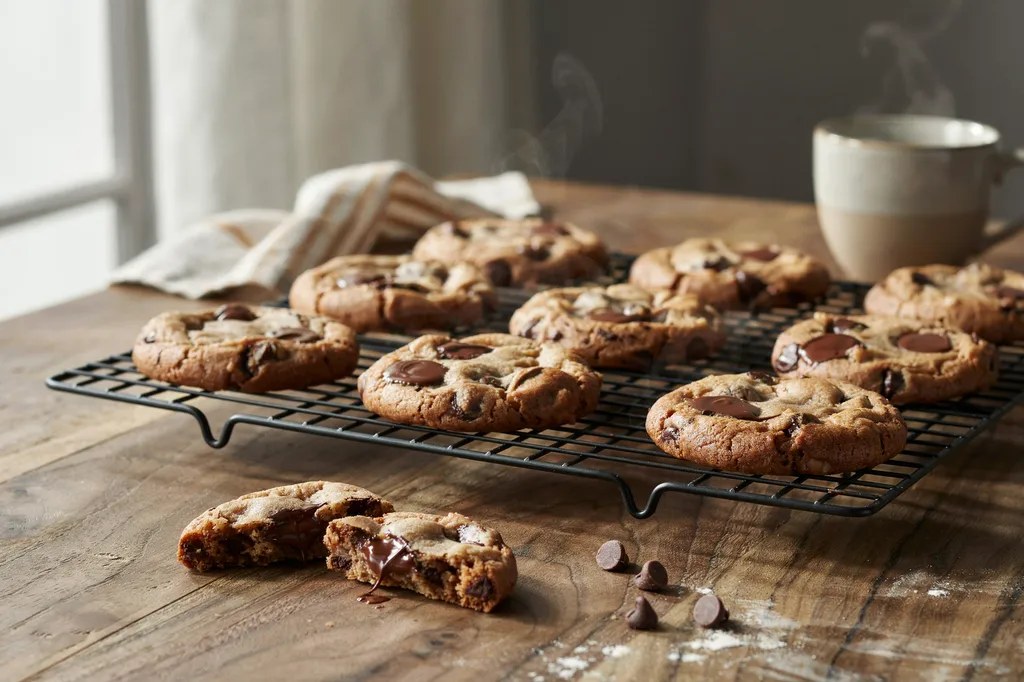
Einkorn Chocolate Chip Cookies
Baking with freshly milled einkorn flour transforms an everyday recipe into something extraordinary. Within minutes of milling, whole-grain flour is bursting with natural oils and a sweet wheaty aroma — the part that fades first once flour sits — and it still carries the whole berry: bran, germ, and endosperm. Commercial white flour has the bran and germ removed and is stabilized for months of shelf life — fresh milling skips all of that, so you bake with the whole grain and with the aroma still in it. These are the chocolate chip cookies that convert skeptics. Fresh-milled einkorn flour brings a buttery, slightly nutty undertone that pairs beautifully with brown butter and dark chocolate. The result is a cookie with crisp edges, a chewy center, and a depth of flavor that store-bought all-purpose flour simply can't deliver. Two tips make all the difference: brown the butter to deepen the flavor, and chill the dough overnight if you can. Einkorn's softer gluten means the dough rests and hydrates better with time, producing a more cohesive cookie with that signature crackly top. Use a good 60–70% dark chocolate, chopped into irregular shards, for melty pockets and a more bakery-style look than uniform chips.
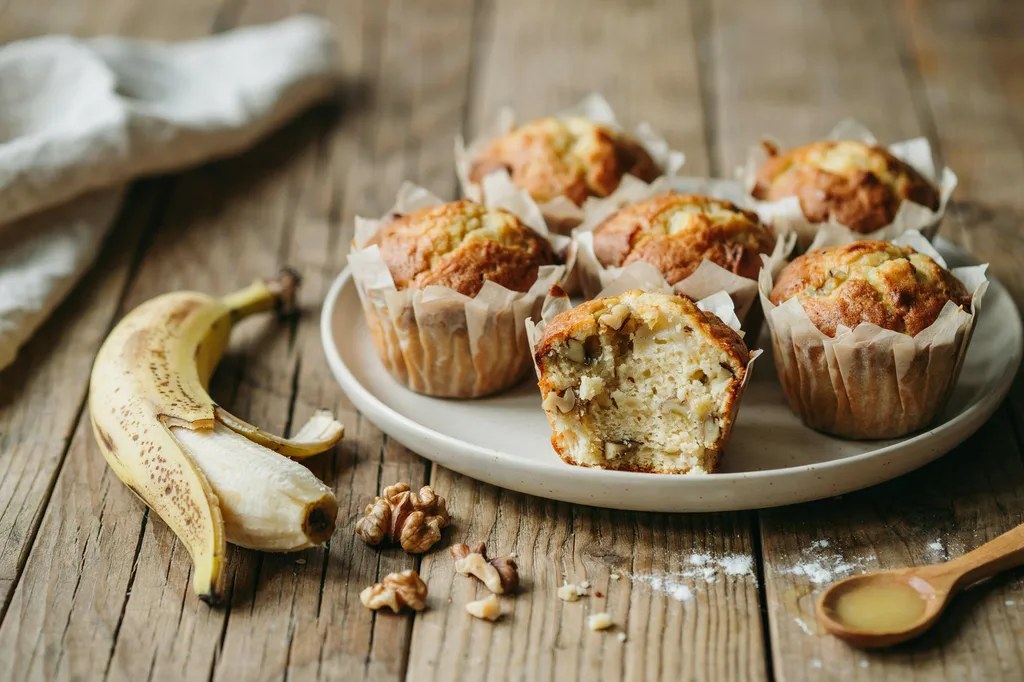
Einkorn Banana Muffins
Baking with freshly milled einkorn flour transforms an everyday recipe into something extraordinary. Within minutes of milling, whole-grain flour is bursting with natural oils and a sweet wheaty aroma — the part that fades first once flour sits — and it still carries the whole berry: bran, germ, and endosperm. Commercial white flour has the bran and germ removed and is stabilized for months of shelf life — fresh milling skips all of that, so you bake with the whole grain and with the aroma still in it. Ripe bananas and fresh-milled einkorn flour are a match made in baking heaven. Einkorn's natural sweetness and tender crumb amplify the caramelized flavor of overripe bananas, and a handful of walnuts adds welcome texture and a toasted aroma. These muffins are moist, rich, and stay soft for days — a perfect lunchbox or grab-and-go breakfast. Use the spottiest bananas you can find. The riper, the better — brown bananas are sweeter and easier to mash. As with all einkorn baking, mix gently and bake at a slightly higher temperature than you would for regular whole-wheat muffins to encourage rise before the batter sets.
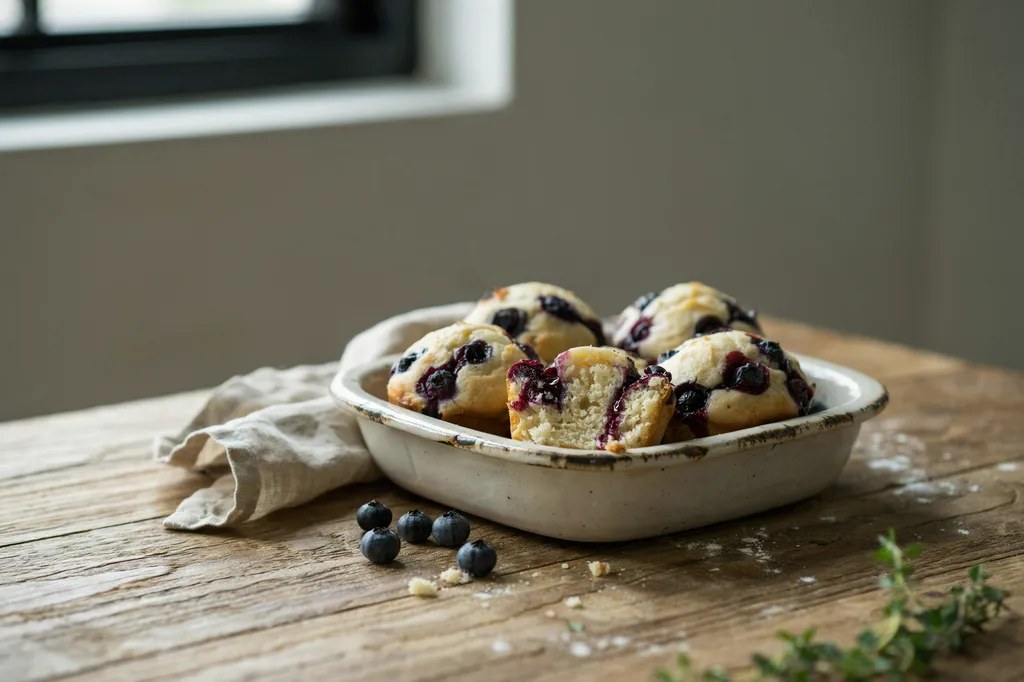
Einkorn Blueberry Muffins
Baking with freshly milled einkorn flour transforms an everyday recipe into something extraordinary. Within minutes of milling, whole-grain flour is bursting with natural oils and a sweet wheaty aroma — the part that fades first once flour sits — and it still carries the whole berry: bran, germ, and endosperm. Commercial white flour has the bran and germ removed and is stabilized for months of shelf life — fresh milling skips all of that, so you bake with the whole grain and with the aroma still in it. Einkorn is the world's oldest cultivated wheat, and its rich, slightly buttery flavor turns ordinary blueberry muffins into something exceptional. Because einkorn has a unique low-strength gluten and softer starch structure, it produces muffins with an extra-tender crumb that almost melts in your mouth. The natural sweetness of einkorn flour also lets you reduce the sugar slightly without anyone noticing. These muffins are an excellent first einkorn recipe because they don't depend on developing gluten — the more delicately you mix, the better. Fold the batter only enough to combine, fold the blueberries in last, and watch the muffins bake into tall, domed beauties bursting with juicy fruit.
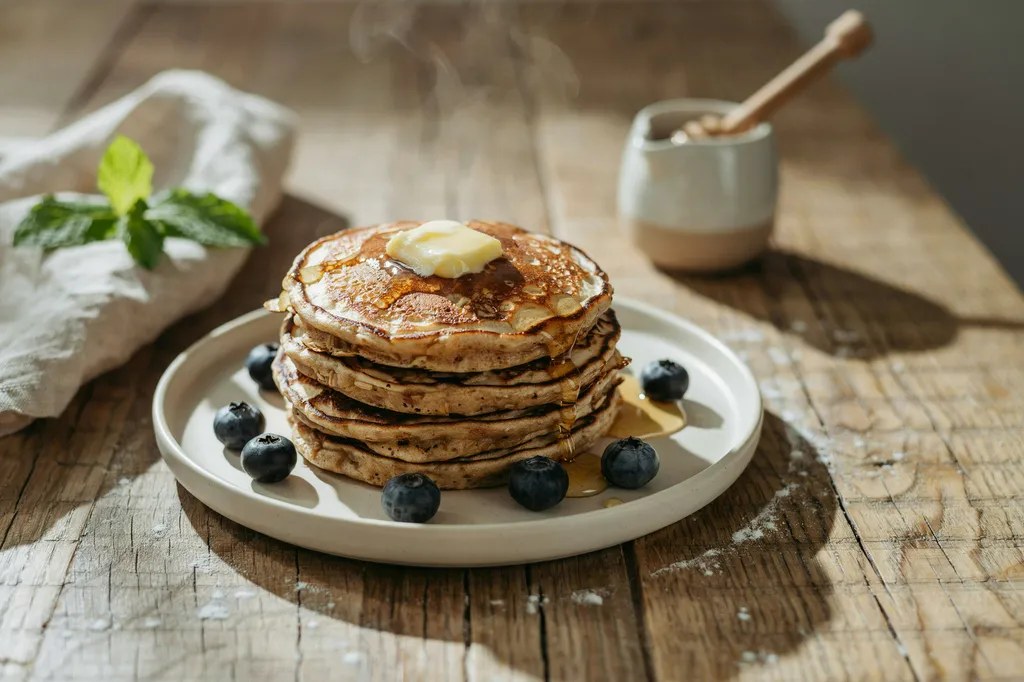
Fresh-Milled Sourdough Discard Pancakes
Light, tangy pancakes that use up sourdough discard and fresh-milled flour in 15 minutes — no overnight prep required.
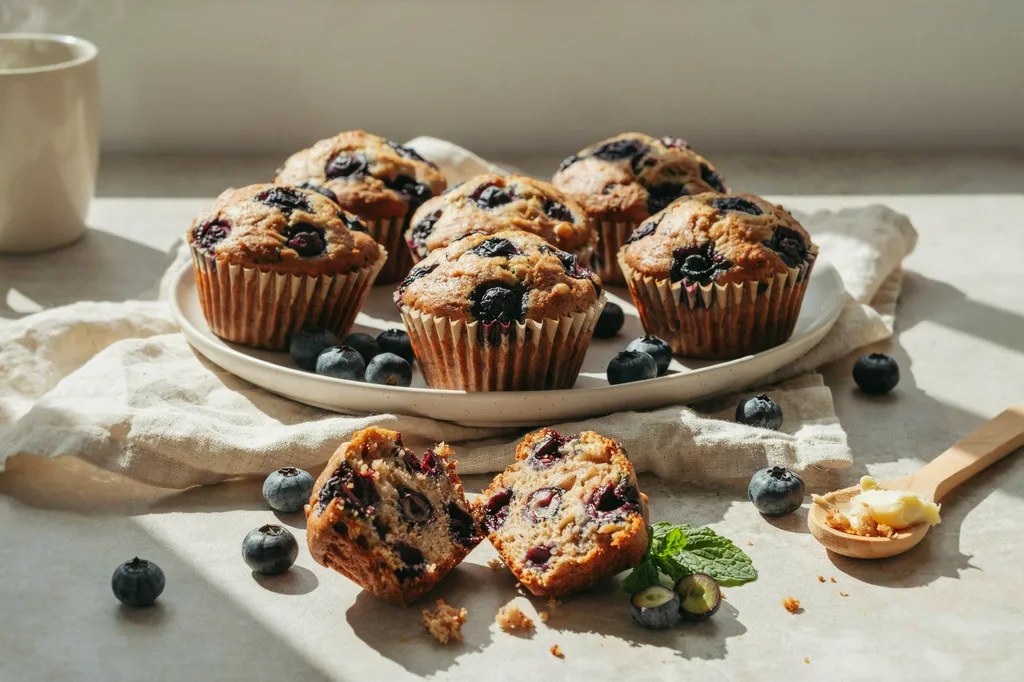
Fresh Milled Blueberry Muffins
Tender, bakery-style blueberry muffins made with freshly milled whole wheat flour. Yields 12 muffins. Prep 15 min, bake 22 min, rest 5 min before turning out. Use a fine mill setting and rest the batter 10 minutes so the bran hydrates and the crumb stays soft.

Fresh Milled Buttermilk Biscuits
Flaky, fresh-milled buttermilk biscuits with crisp tops and tender layers. Yields 9 biscuits. Prep 15 min, bake 15 min, ready in 30 min.
Related Content
Recommended Grains
Related Techniques
Cold Retard & Bulk for Fresh-Milled Sourdough
How to time and temperature-manage bulk fermentation and cold retard for fresh-milled sourdough to develop flavor without overproofing.
Fresh Milled Flour Hydration Guide
Hydration is the single variable that fixes more fresh-milled bread problems than any other adjustment. Bagged bread flour is engineered to behave predictably — milled to a uniform fine particle, aged for weeks, and stripped of the thirsty bran and germ. Fresh-milled flour is the opposite: it contains every part of the kernel, and the intact bran soaks up water slowly. The same recipe that produces a slack, sticky white-flour dough produces a dry, tight fresh-milled dough unless you increase the liquid. This guide explains why hydration matters more for fresh flour, how each grain behaves, how to read dough texture by feel, how to convert standard recipes, and how to troubleshoot the most common hydration symptoms.
Bulk Fermentation with Fresh-Milled Flour
Fresh-milled flour ferments faster than commercial flour. Watch the dough, not the clock, and end bulk fermentation when volume has grown 50–75%.
Build & Maintain a Fresh-Milled Sourdough Starter
A step-by-step guide to creating a robust whole-grain sourdough starter from scratch and maintaining it for weekly baking.
How to Shape a Batard and Boule
Boules are round; batards are oval. Both rely on building surface tension by tucking the dough under itself with light, confident movements.
How to Stretch and Fold Dough
Every 30 minutes during bulk ferment, lift one side of the dough, stretch up, and fold over the top. Rotate 90° and repeat.