
Fresh Milled Buttermilk Biscuits
Prep
15 min
Bake
15 min
Total time
30 min

Fresh milled buttermilk biscuits use cold butter, cold buttermilk, and a fold-and-stack technique to create flaky whole-grain biscuits with proper layered rise.
Key Takeaways
- Everything cold: butter frozen and grated, buttermilk straight from the fridge.
- Mill on the finest setting and don\u2019t overwork the dough.
- Use the fold-and-stack technique three times for visible layers.
- Cut straight down with a sharp cutter — twisting seals the edges and stops the rise.
About this recipe
Flaky, fresh-milled buttermilk biscuits with crisp tops and tender layers. Yields 9 biscuits. Prep 15 min, bake 15 min, ready in 30 min.
Ingredients
- freshly milled hard white wheat flour300 g (about 2 1/2 cups)
- baking powder12 g (1 Tbsp)
- baking soda3 g (1/2 tsp)
- granulated sugar12 g (1 Tbsp)
- fine sea salt5 g (3/4 tsp)
- unsalted butter, frozen115 g (1 stick)
- cold buttermilk240 g (1 cup)
- melted butter for tops15 g (1 Tbsp)
Instructions
- 1
Heat oven to 425°F (220°C). Line a sheet pan with parchment.
- 2
Mill the wheat on the finest setting. Whisk flour, baking powder, baking soda, sugar, and salt.
- 3
Grate the frozen butter into the flour on the large holes of a box grater. Toss to coat. Don’t rub it in.
- 4
Pour in the cold buttermilk and stir with a fork until just combined — the dough should look shaggy, not smooth.
- 5
Turn out onto a lightly floured counter. Pat into a rough 8-inch rectangle. Fold in thirds like a letter, rotate 90°, and pat out again. Repeat the fold and pat two more times (3 folds total).
- 6
Pat to about 1-inch thick. Cut 9 biscuits with a sharp 2 1/2-inch cutter — press straight down, do not twist.
- 7
Place close together on the sheet so the sides touch — they’ll push each other up. Brush tops with melted butter.
- 8
Bake 14–16 minutes until tops are deep golden and biscuits read 200°F internal. Cool 5 minutes. Best the day they’re baked; freeze unbaked biscuits and bake straight from frozen, adding 4 minutes.
how to start milling flour at home — hydration, gluten development, and grain choice tips that make this recipe work.
Learn about this grain: Spelt guide — flavor, milling notes, baking tips, and four in-depth guides on hydration, storage, and common mistakes. Or browse more Spelt recipes.
Learn a technique
All guides →Related recipes
Browse all recipes →
Fresh-Milled Sourdough Discard Pancakes
Light, tangy pancakes that use up sourdough discard and fresh-milled flour in 15 minutes — no overnight prep required.

Fresh Milled Blueberry Muffins
Tender, bakery-style blueberry muffins made with freshly milled whole wheat flour. Yields 12 muffins. Prep 15 min, bake 22 min, rest 5 min before turning out. Use a fine mill setting and rest the batter 10 minutes so the bran hydrates and the crumb stays soft.
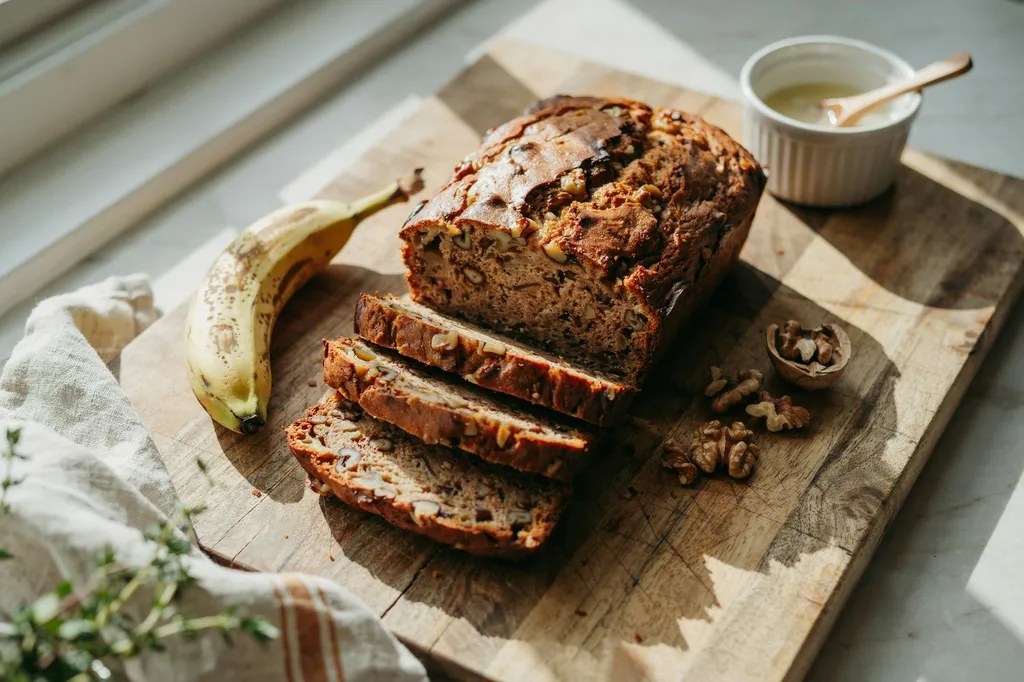
Fresh Milled Banana Bread
Moist, deeply flavored banana bread made with 100% freshly milled wheat. Yields one 9x5 loaf (about 10 slices). Prep 15 min, bake 55–65 min, rest 15 min in pan plus 30 min on rack before slicing.
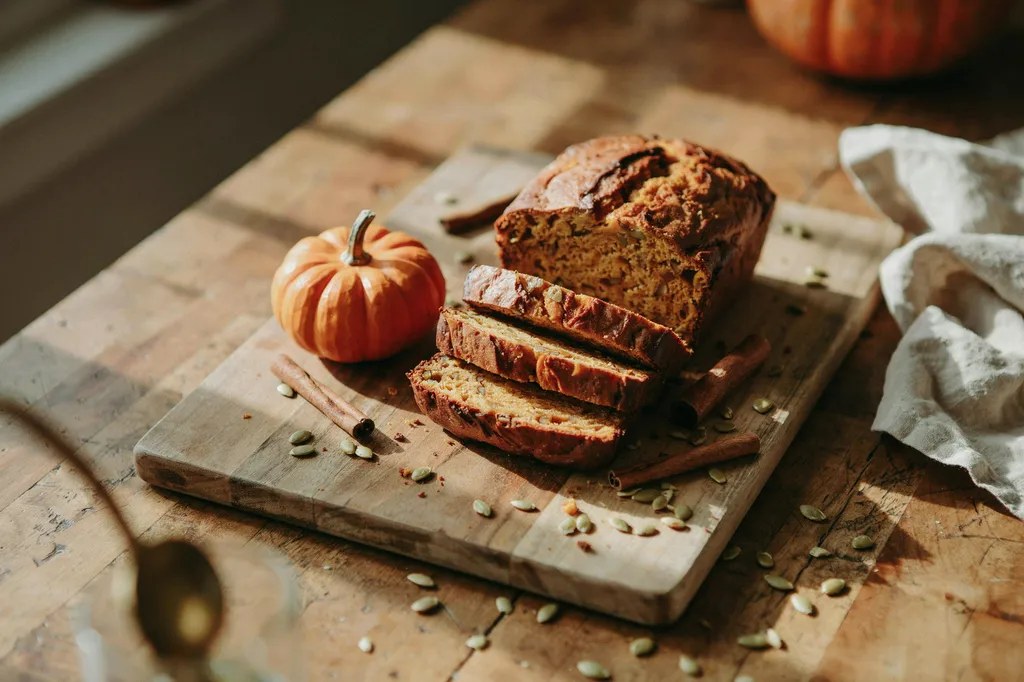
Fresh Milled Pumpkin Bread
Moist, spiced pumpkin bread made with 100% freshly milled wheat. Yields one 9x5 loaf (about 10 slices). Prep 15 min, bake 60–70 min, rest 15 min in pan + 30 min on rack before slicing.

Fresh Milled Whole Wheat Waffles
Crisp-edged, tender whole wheat waffles made with freshly milled flour. Yields 6 standard or 4 Belgian waffles. Prep 10 min, batter rest 10 min, cook 4–5 min per waffle.
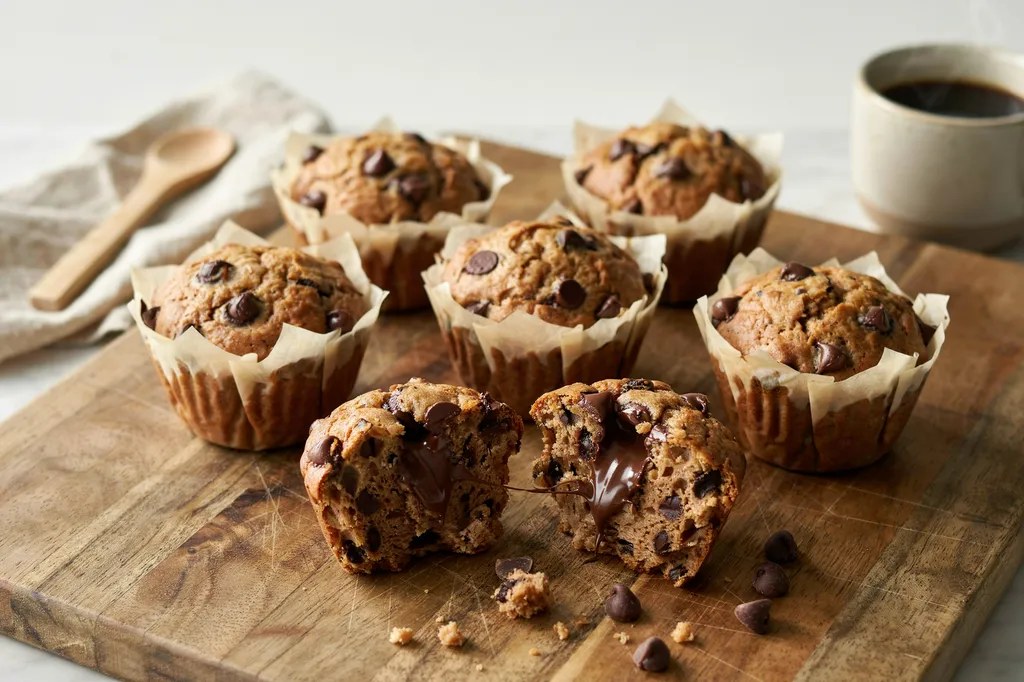
Fresh Milled Chocolate Chip Muffins
Soft, family-friendly chocolate chip muffins made with freshly milled wheat. Yields 12 muffins. Prep 15 min, bake 20 min, rest 5 min in pan.
Related Content
Recommended Grains
Related Techniques
How to Increase Hydration Successfully
Raise water in 5% increments, autolyse longer, and lean on stretch and folds instead of kneading.
How to Sift Fresh Milled Flour
Pass freshly milled flour through a 50 or 60 mesh sieve. Reserve the bran for porridge or rebake it in.
Related Troubleshooting
How much water do I add to fresh milled flour?
Bakers new to fresh milled flour struggle to translate commercial-flour hydration to whole-grain dough.
Why is my fresh milled bread dense?
Loaves baked with fresh milled flour come out heavy, tight, and barely risen instead of light and airy.
Why is my crumb too tight and dense?
Bread with a uniformly tight, small-holed crumb rather than the open, airy structure you wanted.