
Hard White Whole Wheat Sandwich Bread
Prep
30 min
Bake
33 min
Total time
1 hr 3 min
Hydration
72%
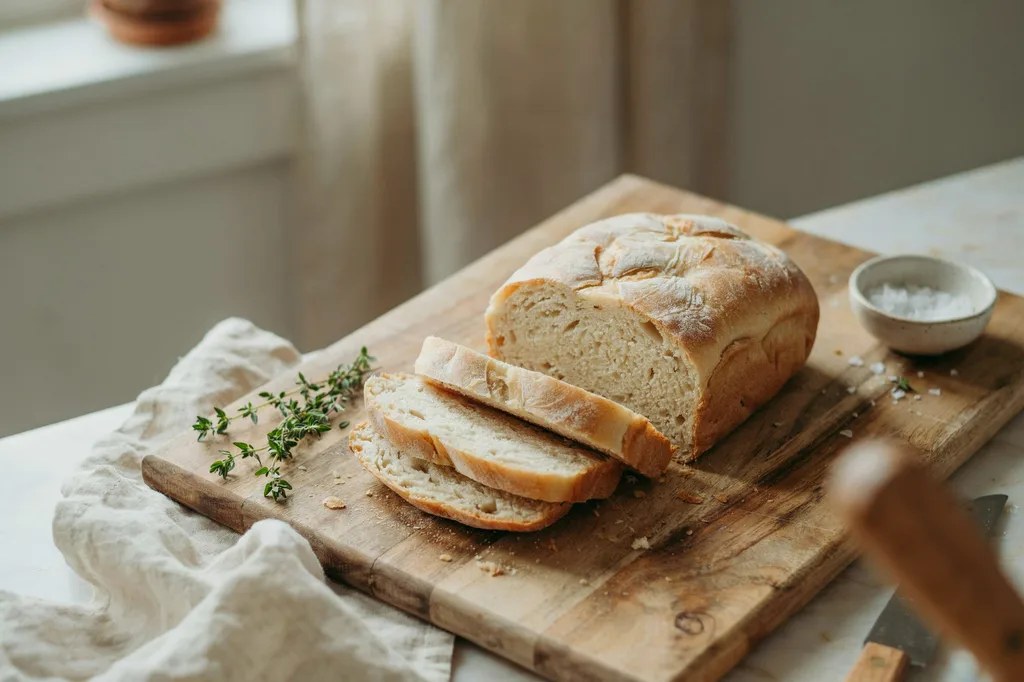
Hard white wheat makes the mildest 100% whole-wheat sandwich loaf — 72% hydration, a 30-minute autolyse, and a single rise gives you a soft, sliceable bread the whole family will eat.
Key Takeaways
- Hard white wheat has the same protein as hard red but a milder, sweeter flavor.
- A 30-minute autolyse is enough — this is yeast-leavened, not sourdough.
- Honey and butter both extend shelf life and soften the crumb.
- Proof to 1.5 inches above the rim; whole wheat needs that extra height.
About this recipe
A mild, soft 100% fresh-milled hard white wheat sandwich loaf — the easiest entry point for switching a household from store-bought bread.
Ingredients
- Fresh-milled hard white wheat flour500 g
- Water (95°F)360 g
- Instant yeast6 g
- Honey30 g
- Butter, softened30 g
- Fine sea salt10 g
Instructions
- 1
Mill 500 g hard white wheat berries. Let flour cool to room temperature.
- 2
Whisk water, honey, and yeast. Bloom 5 minutes.
- 3
Add flour, butter, and salt. Mix to a shaggy dough. Autolyse 30 minutes.
- 4
Knead 8 minutes by hand or 5 minutes on low in a stand mixer until smooth and slightly tacky.
- 5
Bulk ferment 75–90 minutes at 78°F, until doubled.
- 6
Shape into a tight log. Place seam-down in a greased 9×5 pan.
- 7
Proof 40–55 minutes until 1.5 inches above the rim.
- 8
Bake at 375°F for 32–35 minutes. Internal temp 200°F.
- 9
Turn out and cool on a rack at least 1 hour before slicing.
new to fresh-milled flour? start here — hydration, gluten development, and grain choice tips that make this recipe work.
Learn about this grain: Hard White Wheat guide — flavor, milling notes, baking tips, and four in-depth guides on hydration, storage, and common mistakes. Or browse more Hard White Wheat recipes.
Learn a technique
All guides →Related recipes
Browse all recipes →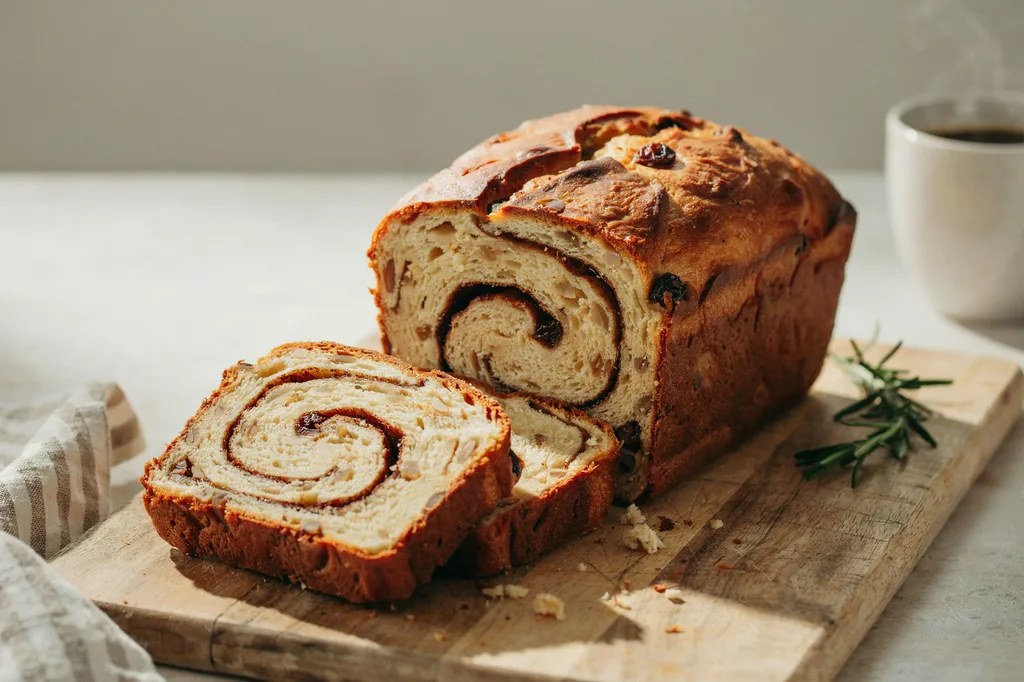
Fresh Milled Cinnamon Swirl Bread
Soft sandwich loaf with a bold cinnamon-sugar swirl, made with 100% fresh milled flour. Yield 1 (9x5) loaf. Prep 30 min, proof 2 hours, bake 40 min.
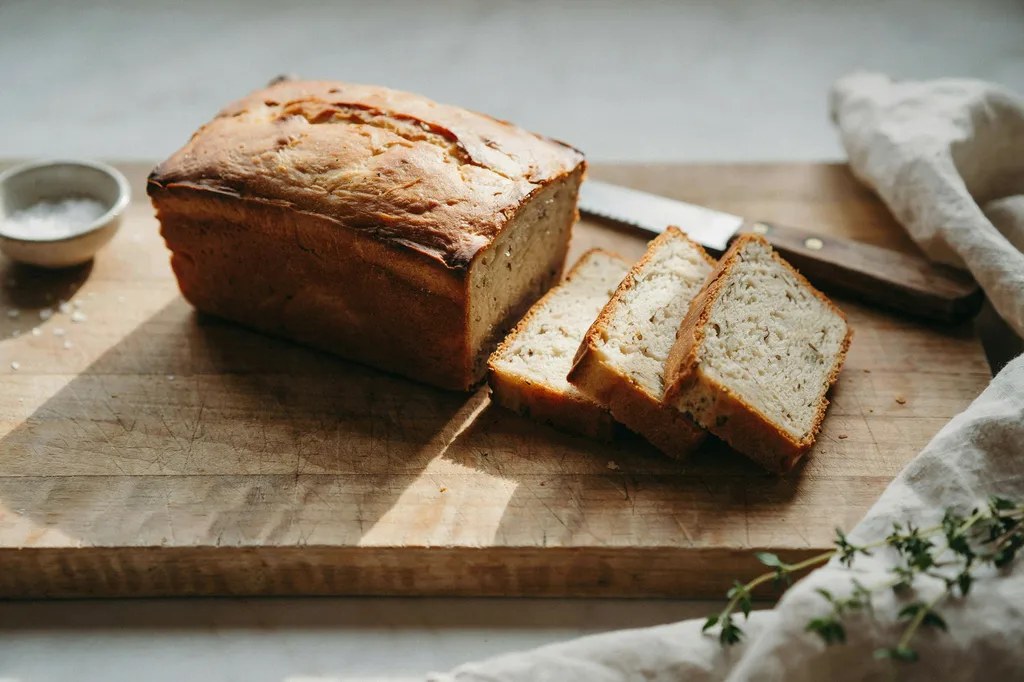
Fresh Milled Pullman Bread
Square-sided Pullman loaf with a fine, even crumb and tight crust — made with 100% fresh milled flour for the ultimate sandwich bread. Yield 1 (13-inch) Pullman loaf. Prep 25 min, proof 2 hours, bake 38 min.
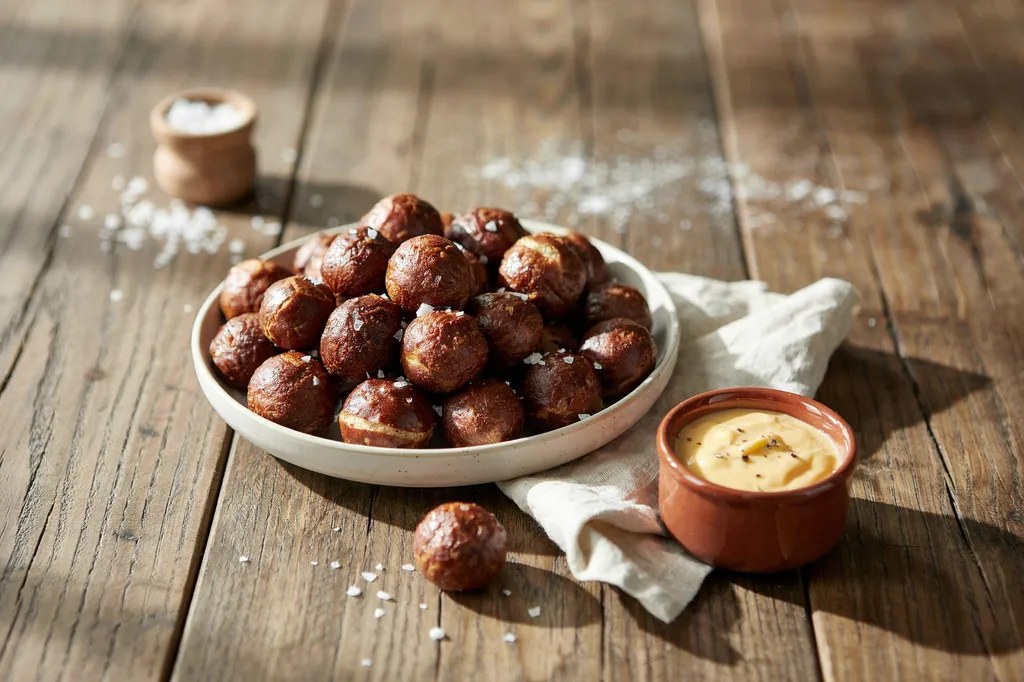
Fresh Milled Pretzel Bites
Snack-sized soft pretzel bites with chewy interior and deep crust, made with 100% fresh milled flour. Yield about 40 bites. Prep 25 min, proof 60 min, bake 12 min.
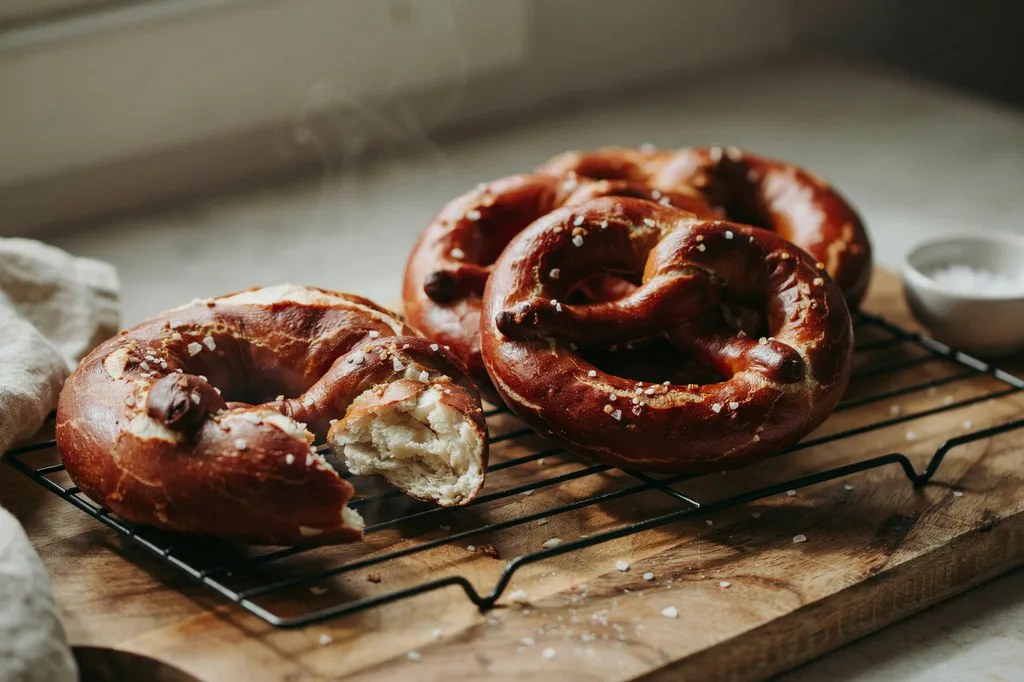
Fresh Milled Soft Pretzels
Traditional soft pretzels with deep mahogany crust and tender chew, made with 100% fresh milled flour. Yield 8 pretzels. Prep 30 min, proof 60 min, bake 14 min.

Fresh Milled Breadsticks
Soft, buttery breadsticks made with 100% fresh milled flour — perfect alongside soups, pasta, or salads. Yield 12 breadsticks. Prep 20 min, proof 75 min, bake 15 min.
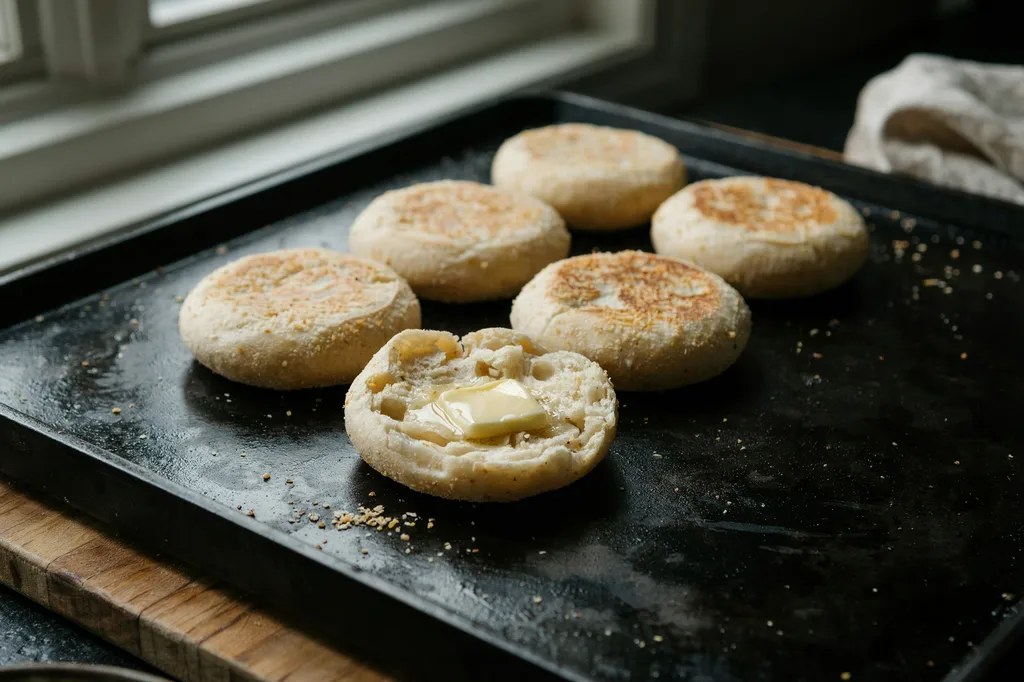
Fresh Milled English Muffins
Griddled English muffins with a tender, nook-and-cranny interior, made with freshly milled wheat. Yields 10 muffins. Prep 20 min, first rise 90 min, shape 15 min, second rise 45 min, griddle 10 min per batch.
Related Content
Recommended Grains
Related Techniques
How to Increase Hydration Successfully
Raise water in 5% increments, autolyse longer, and lean on stretch and folds instead of kneading.
How to Sift Fresh Milled Flour
Pass freshly milled flour through a 50 or 60 mesh sieve. Reserve the bran for porridge or rebake it in.
Related Troubleshooting
Why does my loaf crumble when sliced?
Slices fall apart, especially the heel.
Why does my fresh milled bread taste bland?
Loaf is well-baked and well-structured but lacks the deep, complex flavor expected from whole-grain fresh milled flour.
Why is my fresh milled bread dry?
Bread that crumbles, feels dusty, or stales within a day of baking.
Related Comparisons
Fresh-Milled Flour vs All-Purpose Flour
How fresh-milled whole wheat compares to commercial all-purpose flour for bread, pastry, and everyday baking.
Hard Red vs Hard White Wheat: Which Should You Buy First?
Same gluten strength, different bran. Red is bolder and traditional; white is milder and more family-friendly.
Related Conversions
All-Purpose Flour to Fresh Milled Flour
This is the general principle: all-purpose is refined endosperm, fresh milled flour is the whole kernel, so it drinks more water and ferments 10–20% faster. The swap is 1:1 by weight in every case; only the water changes. Which grain you mill decides how much. Hard white wheat is the closest analog to all-purpose and the numbers on this page follow it — for the detailed, per-bake breakdown use All-Purpose to Hard White Wheat. If you want more flavor and can accept a darker crumb, All-Purpose to Hard Red Wheat runs +7–10% instead.
Bread Flour to Hard White Wheat (Fresh-Milled)
Swap 1:1 by weight and add 5–8% more water. A 20–40 minute autolyse helps; sifting 10–15% of the coarsest bran makes the crumb nearly indistinguishable from a bread-flour loaf. Fermentation runs ~10–20% faster than bread flour.
All-Purpose Flour to Hard White Wheat (Fresh-Milled)
Swap 1:1 by weight (not volume) and add 5–8% more water. A 20–40 minute autolyse, or sifting to remove ~10–15% of the coarsest bran, brings the texture very close to AP. Fermentation runs roughly 10–20% faster than the original AP recipe.