
Sourdough Rosemary Focaccia
Prep
30 min
Bake
25 min
Total time
55 min
Hydration
80%

Sourdough rosemary focaccia uses 80% hydration freshly milled hard white wheat with a generous olive oil glaze, fresh rosemary, and flaky salt. Cold-retard overnight; press, dimple, and bake the next day.
Key Takeaways
- 80% hydration gives the airy crumb that defines real focaccia.
- Generous oil in the pan creates the crispy fried bottom.
- Cold retard 12–24 hours builds character with zero extra effort.
- Dimple deeply — wells trap oil and become flavor pockets.
- Bake until deeply golden; underbaked focaccia is gummy.
About this recipe
Focaccia is the most forgiving sourdough bread you can bake. No shaping, no scoring, no Dutch oven — just a hydrated dough poured into a generously oiled pan, dimpled with fingertips, and baked. The high hydration that makes other doughs frightening is exactly what makes focaccia perfect. Fresh milled hard white wheat keeps the focaccia mild and crowd-pleasing. The 80% hydration creates the open, airy crumb that defines proper focaccia, and the long cold retard delivers the deep sourdough character that pairs with rosemary, olive oil, and flaky salt. Use a generous quarter-cup of olive oil in the pan — the pan-fried bottom that results is a feature, not a bug. Bake until the top is deep golden and the edges are starting to crisp.
Ingredients
- Freshly milled hard white wheat flour500 g
- Water (85°F / 29°C)400 g
- Active 100% hydration sourdough starter100 g
- Fine sea salt11 g
- Extra virgin olive oil (for dough)30 g
- Extra virgin olive oil (for pan and top)60 g
- Fresh rosemary sprigsas needed
- Flaky sea saltto taste
Instructions
- 1
Feed starter 6 hours before mixing.
- 2
Whisk water, starter, and 30 g olive oil in a large bowl.
- 3
Add flour and salt. Mix to no-dry-spots and rest 45 minutes.
- 4
Perform 4 sets of stretch-and-folds in the bowl, 30 minutes apart.
- 5
Bulk ferment at 76°F until risen 50% — about 4–5 hours total.
- 6
Pour 30 g olive oil into a 9x13 baking pan. Tilt to coat the bottom and sides.
- 7
Tip the dough into the pan. Cover and refrigerate 12–24 hours.
- 8
About 90 minutes before baking, pull from the fridge. Drizzle another 30 g olive oil over the top.
- 9
With oiled fingertips, gently stretch the dough to fill the pan. Let it relax if it resists.
- 10
Dimple deeply across the entire surface with your fingertips, pressing all the way down.
- 11
Press fresh rosemary sprigs into the dimples. Sprinkle flaky salt generously.
- 12
Let proof at room temperature 30–45 more minutes.
- 13
Preheat oven to 475°F (245°C).
- 14
Bake 22–28 minutes until deeply golden on top and the bottom is crisp.
- 15
Lift onto a rack with a spatula. Cool 15 minutes before cutting.
home grain milling tutorial — hydration, gluten development, and grain choice tips that make this recipe work.
Learn about this grain: Hard White Wheat guide — flavor, milling notes, baking tips, and four in-depth guides on hydration, storage, and common mistakes. Or browse more Hard White Wheat recipes.
Learn a technique
All guides →- Bulk Fermentation with Fresh-Milled FlourFresh-milled flour ferments faster than commercial flour. Watch the dough, not the clock, and end bulk fermentation when volume has grown 50–75%.
- Cold Retard & Bulk for Fresh-Milled SourdoughHow to time and temperature-manage bulk fermentation and cold retard for fresh-milled sourdough to develop flavor without overproofing.
- Fresh Milled Flour Hydration GuideHydration is the single variable that fixes more fresh-milled bread problems than any other adjustment. Bagged bread flour is engineered to behave predictably — milled to a uniform fine particle, aged for weeks, and stripped of the thirsty bran and germ. Fresh-milled flour is the opposite: it contains every part of the kernel, and the intact bran soaks up water slowly. The same recipe that produces a slack, sticky white-flour dough produces a dry, tight fresh-milled dough unless you increase the liquid. This guide explains why hydration matters more for fresh flour, how each grain behaves, how to read dough texture by feel, how to convert standard recipes, and how to troubleshoot the most common hydration symptoms.
- Build & Maintain a Fresh-Milled Sourdough StarterA step-by-step guide to creating a robust whole-grain sourdough starter from scratch and maintaining it for weekly baking.
Related recipes
Browse all recipes →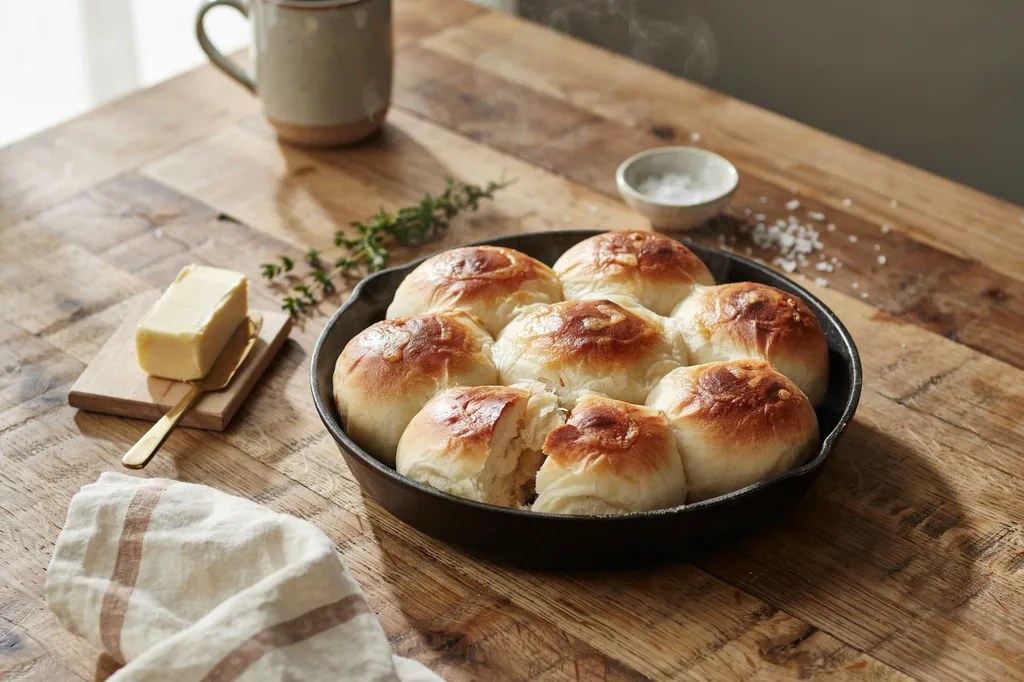
Sourdough Dinner Rolls
If you can bake a sourdough boule, you can bake sourdough dinner rolls — they just want a softer dough and a little enrichment. Butter, whole milk, and a touch of honey turn a workhorse sourdough into a holiday-table roll that pulls apart cleanly, smells like a bakery, and reheats beautifully. Fresh milled hard white wheat keeps the rolls feeling familiar to people who think they don't like whole wheat. The cold retard does double duty: it builds flavor that store-bought rolls cannot match, and it makes the timing flexible enough to work around dinner. A few habits make these rolls reliable: weigh the dough balls (the table will judge you if one is twice the size of another), brush with melted butter the moment they come out of the oven, and don't over-bake. Internal temperature of 195°F (90°C) is right — anything more and you lose the tenderness that makes them magical.
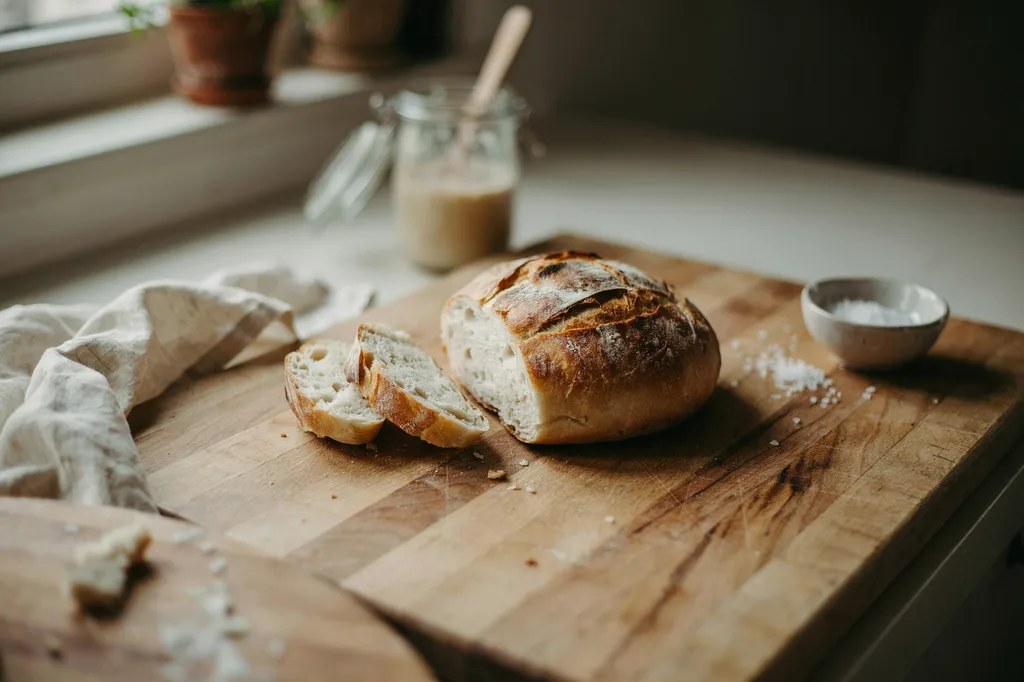
Beginner Fresh Milled Sourdough
If you have ever felt that fresh milled sourdough was reserved for experienced bakers, this recipe is designed to prove otherwise. Fresh milled flour behaves differently from store-bought whole wheat: the bran is sharper, the germ is still alive, and the flour drinks water more slowly. Beginners often get pucks and gum-line crumb not because they did something wrong, but because the recipe was never written for fresh flour in the first place. This loaf is. It uses 100% freshly milled hard white wheat for a mild flavor that wheat-skeptics actually enjoy, an extra-long autolyse so the bran fully hydrates, and a generous 78% hydration that fresh flour can comfortably handle. A slow overnight cold retard does most of the work — you get the flavor of a 24-hour sourdough without standing over the dough. The single biggest tip for a beginner: trust the timeline, not the clock. Fresh milled doughs ferment faster than white-flour recipes you may have made before, so watch for a 50–75% rise in bulk rather than a fixed two-hour window. Use a clear straight-sided container and mark the start line. If it hits that line in 4 hours instead of 6, shape early. You will also want a young, active starter. Feed it 6–10 hours before mixing so it peaks while you are autolysing. The recipe assumes a 100% hydration starter; if yours is stiffer, just bump the water by 10 g. No Dutch oven? A heavy cast-iron pan with a stainless bowl inverted on top works perfectly for the first 20 minutes of steam, which is the only part of the bake that really matters for ear and oven spring.

Pumpkin Sourdough Bread
Pumpkin sourdough is what happens when fall produce meets serious bread technique. The pumpkin puree replaces about a quarter of the water, contributing color, sweetness, and a soft tender crumb. Warm spices — cinnamon, nutmeg, allspice, clove — make it unmistakably seasonal without crossing into dessert territory. Use canned pumpkin puree (not pie filling) or roasted and pureed sugar pumpkin. The water content matters: drain canned puree on a paper towel for 10 minutes to prevent an overly slack dough. Pepitas (pumpkin seeds) folded in at the second stretch add crunch and reinforce the theme. This is the loaf for Thanksgiving morning toast, leftover-turkey sandwiches, and bread baskets all autumn long.
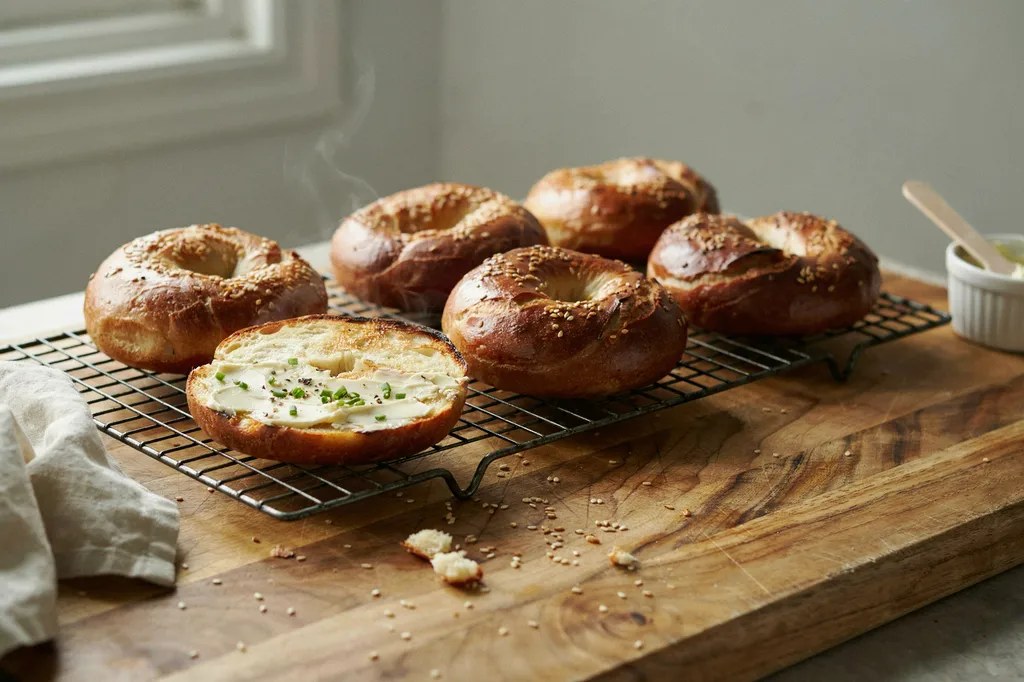
Sourdough Bagels
A real bagel is stiff, dense, glossy, and almost meaty in the chew — closer to a New York deli bagel than a soft bread roll. Fresh milled sourdough bagels take that traditional recipe and elevate it: the fresh wheat brings nuttiness, the long cold ferment brings depth, and the home-mill flour creates a crumb you cannot get from anything pre-ground. Do not be put off by the boiling step. It takes 5 minutes total and is what gives bagels their signature gloss and chew. Barley malt syrup in the water adds shine and flavor — if you cannot find it, honey works. The dough is intentionally low hydration (60%). It will feel tight, almost cookie-dough stiff. That is correct. A wet bagel dough produces a soft roll instead of a proper bagel. Makes 8 large bagels.
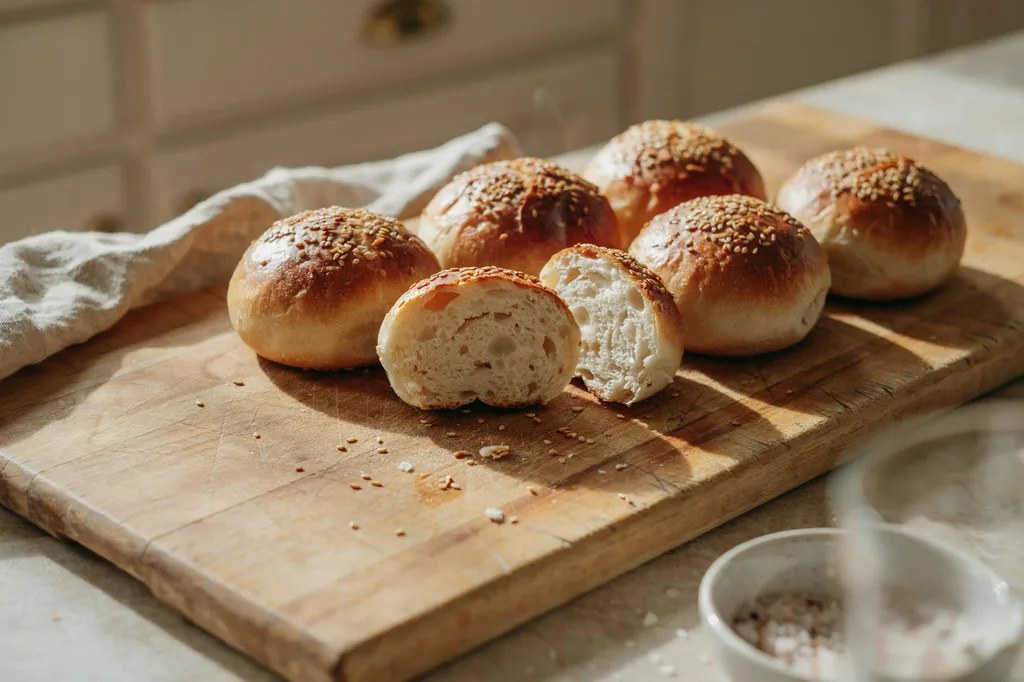
Sourdough Hamburger Buns
Store-bought hamburger buns disintegrate the moment they meet a juicy patty. Sourdough hamburger buns made with fresh milled flour solve both problems: the structure holds, and the flavor stands up to char and cheese instead of fading into the background. This is a moderately enriched dough — enough butter and egg to be tender, not so much that it loses chew. The cold retard means you can mix Friday night and bake Saturday afternoon, perfect for weekend grilling. Brush the tops with egg wash and sprinkle with sesame for that classic bakery look. Makes 8 large buns or 12 sliders.
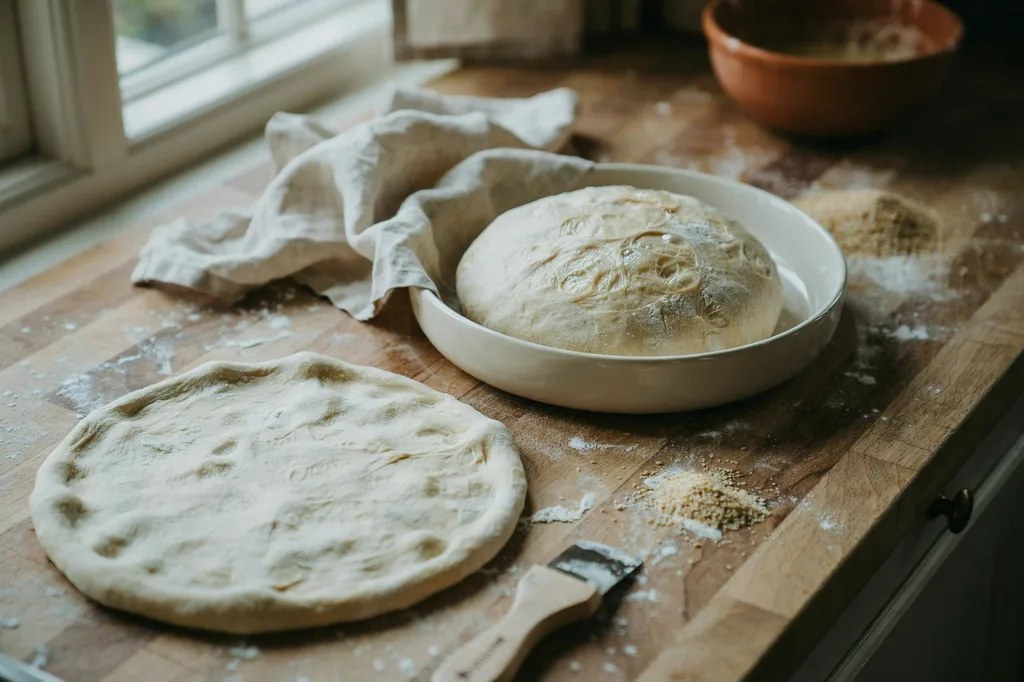
Sourdough Pizza Dough
Fresh milled sourdough pizza is what happens when artisan bread technique meets pizza night. The same overnight cold ferment that builds flavor in a boule turns this dough into a chewy, blistered, complex crust that puts delivery to shame. The target hydration is 68% — high enough to produce open, leoparded edges, low enough to stretch on a peel without tearing. Fresh milled hard white wheat keeps the flavor clean and lets the toppings shine, but you can blend in up to 25% hard red for a more rustic, pizzeria-style crumb. The dough is built once, bulk fermented short, then divided and refrigerated 24–48 hours. Each ball comes out smelling like a wine cave and stretches like silk. Bake on a preheated steel or stone — pizza on a sheet pan will never give you the bottom char this dough deserves. Makes 4 ten-inch personal pizzas or 2 large pies.
Related Content
Recommended Grains
Related Techniques
Bulk Fermentation with Fresh-Milled Flour
Fresh-milled flour ferments faster than commercial flour. Watch the dough, not the clock, and end bulk fermentation when volume has grown 50–75%.
Cold Retard & Bulk for Fresh-Milled Sourdough
How to time and temperature-manage bulk fermentation and cold retard for fresh-milled sourdough to develop flavor without overproofing.
Fresh Milled Flour Hydration Guide
Hydration is the single variable that fixes more fresh-milled bread problems than any other adjustment. Bagged bread flour is engineered to behave predictably — milled to a uniform fine particle, aged for weeks, and stripped of the thirsty bran and germ. Fresh-milled flour is the opposite: it contains every part of the kernel, and the intact bran soaks up water slowly. The same recipe that produces a slack, sticky white-flour dough produces a dry, tight fresh-milled dough unless you increase the liquid. This guide explains why hydration matters more for fresh flour, how each grain behaves, how to read dough texture by feel, how to convert standard recipes, and how to troubleshoot the most common hydration symptoms.
Build & Maintain a Fresh-Milled Sourdough Starter
A step-by-step guide to creating a robust whole-grain sourdough starter from scratch and maintaining it for weekly baking.