
Spelt Sourdough
Prep
30 min
Bake
40 min
Total time
1 hr 10 min
Hydration
72%
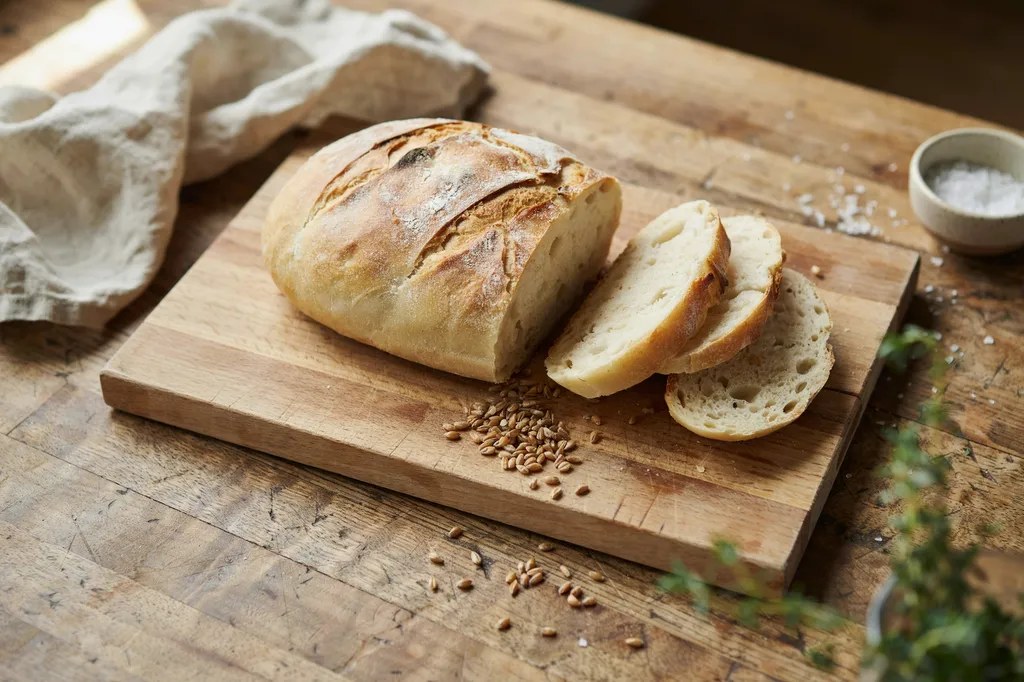
Spelt sourdough is a 72% hydration, shorter-bulk version of a classic boule. Spelt's softer gluten needs gentler handling and earlier shaping than wheat, but rewards you with a nutty, tender, slightly sweet loaf.
Key Takeaways
- Spelt is more delicate than wheat — fewer folds, gentler handling, shorter bulk.
- 72% hydration is the sweet spot for fresh milled spelt sourdough.
- Pull bulk at ~50% rise, not 60–75% like hard wheat.
- Cold retard firms the dough and rescues scoring on this softer flour.
- Expect a softer crust and tender, nutty crumb compared to wheat.
About this recipe
Spelt sits comfortably between modern wheat and einkorn on the difficulty curve. It has more gluten than einkorn but a softer, more extensible structure than hard wheat — meaning it stretches beautifully but tears if pushed too far. Fresh milled spelt makes for one of the most flavorful sourdough loaves you can bake, with a distinctive nuttiness and a soft, tender crumb. The rules: lower hydration, fewer folds, shorter bulk. Where a hard wheat dough might happily ferment 6 hours, a spelt dough often peaks in 4. Where wheat tolerates 4 sets of vigorous folds, spelt prefers 2 gentle ones. Cold retard is your friend — it firms the soft dough and dramatically improves scoring. Fresh milled spelt is also slightly more enzyme-active than hard wheat. That means more dough relaxation, more extensibility, and a faster ferment. If you have made fresh-milled wheat sourdough before, simply pull every step earlier by 25%. The loaf bakes to a beautiful golden brown with a softer crust than wheat. Crumb is open but not airy — somewhere between rustic country loaf and tender sandwich bread. Excellent for grilled cheese, French toast, and tomato sandwiches.
Ingredients
- Freshly milled whole spelt flour500 g
- Water (85°F / 29°C)360 g
- Active 100% hydration sourdough starter100 g
- Fine sea salt10 g
Instructions
- 1
Feed your starter 6–8 hours before mixing — spelt rises fast and a peak starter is essential.
- 2
Mill spelt berries on a medium setting.
- 3
Whisk water and flour together until no dry spots remain. Rest 45 minutes for autolyse.
- 4
Add starter and salt. Mix gently by squeezing through the dough for 90 seconds.
- 5
Rest 30 minutes.
- 6
Perform 3 sets of stretch-and-folds, 30 minutes apart. Be gentler than you would with hard wheat — spelt tears.
- 7
Bulk ferment at 76°F until the dough has risen about 50% — usually 3.5–5 hours total including folds. Spelt over-ferments fast.
- 8
Turn out onto a lightly floured surface. Pre-shape into a loose round and rest 15 minutes.
- 9
Final shape into a boule with light hands. Avoid heavy slapping or aggressive stitching.
- 10
Place seam-side up in a rice-floured banneton. Refrigerate 8–14 hours.
- 11
Preheat oven and Dutch oven to 485°F (250°C) for 45 minutes.
- 12
Score the cold loaf and bake covered 20 minutes at 485°F.
- 13
Uncover, reduce to 440°F (227°C), and bake 18–22 more minutes until deeply golden (internal 205°F / 96°C).
- 14
Cool on a rack at least 90 minutes before slicing.
how to start milling flour at home — hydration, gluten development, and grain choice tips that make this recipe work.
Learn about this grain: Spelt guide — flavor, milling notes, baking tips, and four in-depth guides on hydration, storage, and common mistakes. Or browse more Spelt recipes.
Learn a technique
All guides →- Cold Retard & Bulk for Fresh-Milled SourdoughHow to time and temperature-manage bulk fermentation and cold retard for fresh-milled sourdough to develop flavor without overproofing.
- Fresh Milled Flour Hydration GuideHydration is the single variable that fixes more fresh-milled bread problems than any other adjustment. Bagged bread flour is engineered to behave predictably — milled to a uniform fine particle, aged for weeks, and stripped of the thirsty bran and germ. Fresh-milled flour is the opposite: it contains every part of the kernel, and the intact bran soaks up water slowly. The same recipe that produces a slack, sticky white-flour dough produces a dry, tight fresh-milled dough unless you increase the liquid. This guide explains why hydration matters more for fresh flour, how each grain behaves, how to read dough texture by feel, how to convert standard recipes, and how to troubleshoot the most common hydration symptoms.
- Bulk Fermentation with Fresh-Milled FlourFresh-milled flour ferments faster than commercial flour. Watch the dough, not the clock, and end bulk fermentation when volume has grown 50–75%.
- Build & Maintain a Fresh-Milled Sourdough StarterA step-by-step guide to creating a robust whole-grain sourdough starter from scratch and maintaining it for weekly baking.
Related recipes
Browse all recipes →
Fresh-Milled Sourdough Cinnamon Rolls
Soft, fluffy sourdough cinnamon rolls made with freshly milled wheat and an overnight cold proof for a slow, leisurely weekend breakfast.

Fresh-Milled Sourdough Focaccia
A puffy, dimpled olive-oil focaccia made with freshly milled wheat and an overnight cold ferment for big bubbles and complex flavor.
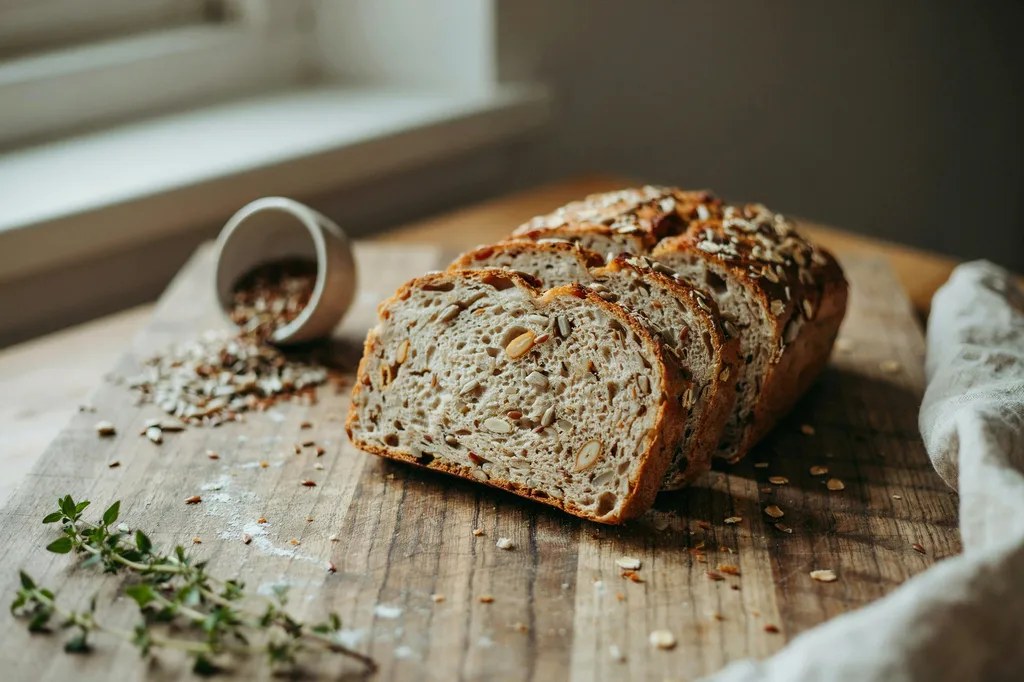
Fresh-Milled Multigrain Bread
Baking with freshly milled hard white wheat, spelt, and rye flour transforms an everyday recipe into something extraordinary. Within minutes of milling, whole-grain flour is bursting with natural oils and a sweet wheaty aroma — the part that fades first once flour sits — and it still carries the whole berry: bran, germ, and endosperm. Commercial white flour has the bran and germ removed and is stabilized for months of shelf life — fresh milling skips all of that, so you bake with the whole grain and with the aroma still in it. True multigrain bread is more than just a sprinkle of seeds on top — this loaf blends three different freshly milled grains for layered flavor and texture. Hard white wheat provides the strong gluten backbone, spelt adds a buttery sweetness, and rye contributes a deep, earthy aroma. The combination creates a hearty sandwich loaf with the kind of complex flavor you simply cannot buy from a grocery shelf. If you have a home mill, this is the recipe that justifies it. Milling small batches of each grain preserves the volatile oils that give multigrain bread its signature aroma. The dough is slightly more challenging than a single-grain loaf because rye lowers gluten strength, but a long autolyse and a gentle hand during shaping keeps the structure intact.

Fresh-Milled Sourdough Discard Pancakes
Light, tangy pancakes that use up sourdough discard and fresh-milled flour in 15 minutes — no overnight prep required.
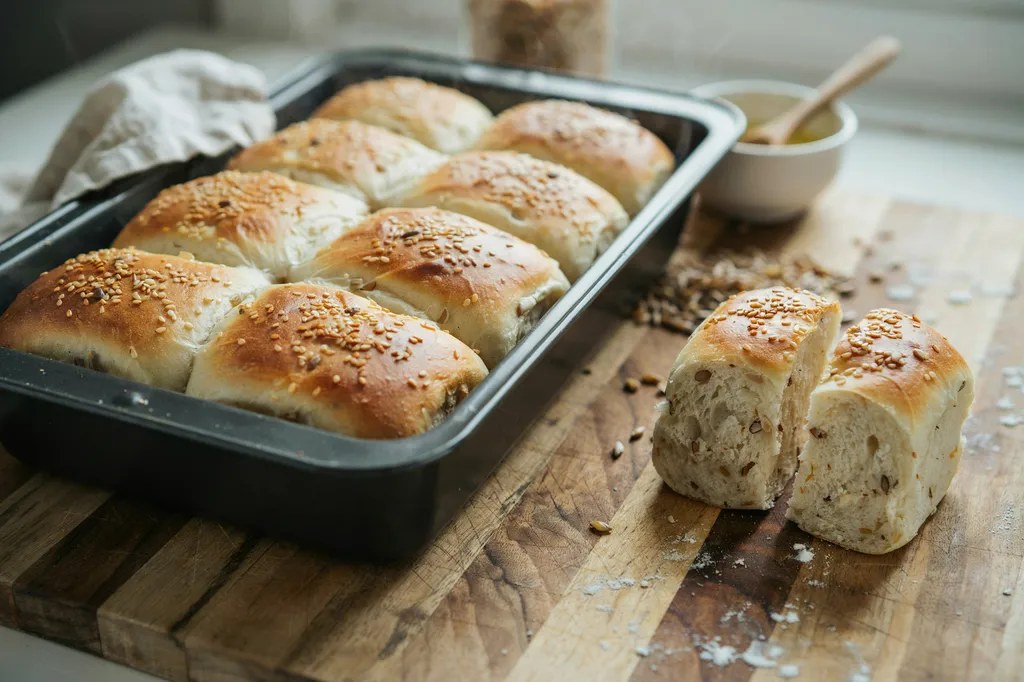
Fresh Milled Hot Dog Buns
Soft, pillowy hot dog buns made with 100% fresh milled flour. Yield 8 buns. Prep 25 min, proof 90 min, bake 18 min.
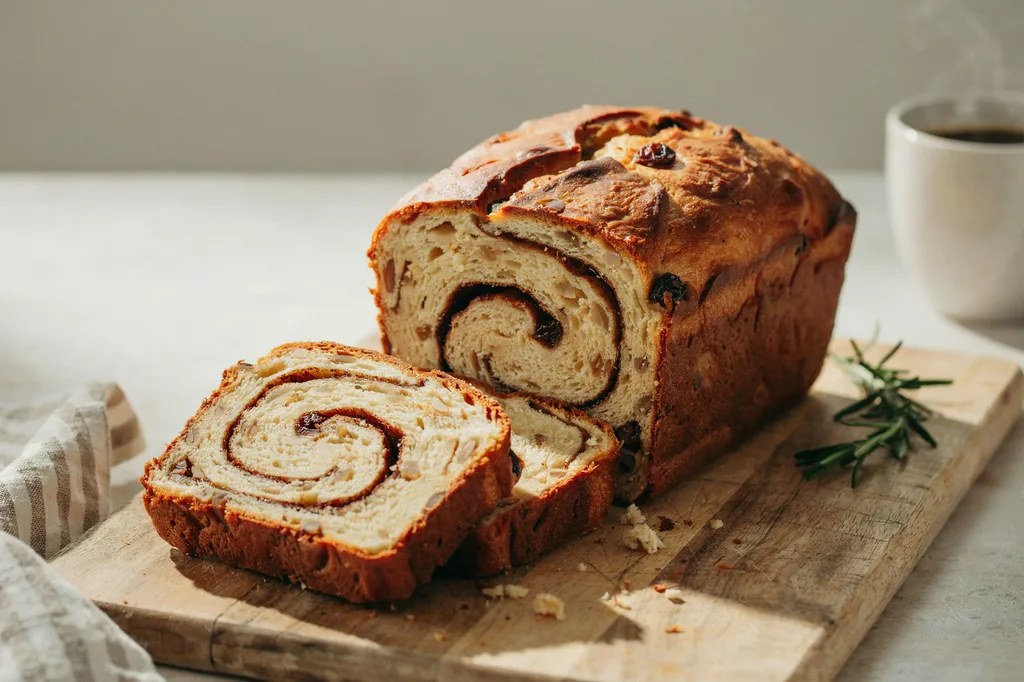
Fresh Milled Cinnamon Swirl Bread
Soft sandwich loaf with a bold cinnamon-sugar swirl, made with 100% fresh milled flour. Yield 1 (9x5) loaf. Prep 30 min, proof 2 hours, bake 40 min.
Related Content
Recommended Grains
Related Techniques
Cold Retard & Bulk for Fresh-Milled Sourdough
How to time and temperature-manage bulk fermentation and cold retard for fresh-milled sourdough to develop flavor without overproofing.
Fresh Milled Flour Hydration Guide
Hydration is the single variable that fixes more fresh-milled bread problems than any other adjustment. Bagged bread flour is engineered to behave predictably — milled to a uniform fine particle, aged for weeks, and stripped of the thirsty bran and germ. Fresh-milled flour is the opposite: it contains every part of the kernel, and the intact bran soaks up water slowly. The same recipe that produces a slack, sticky white-flour dough produces a dry, tight fresh-milled dough unless you increase the liquid. This guide explains why hydration matters more for fresh flour, how each grain behaves, how to read dough texture by feel, how to convert standard recipes, and how to troubleshoot the most common hydration symptoms.
Bulk Fermentation with Fresh-Milled Flour
Fresh-milled flour ferments faster than commercial flour. Watch the dough, not the clock, and end bulk fermentation when volume has grown 50–75%.
Build & Maintain a Fresh-Milled Sourdough Starter
A step-by-step guide to creating a robust whole-grain sourdough starter from scratch and maintaining it for weekly baking.
How to Shape a Batard and Boule
Boules are round; batards are oval. Both rely on building surface tension by tucking the dough under itself with light, confident movements.
How to Stretch and Fold Dough
Every 30 minutes during bulk ferment, lift one side of the dough, stretch up, and fold over the top. Rotate 90° and repeat.