
Whole Wheat Bagels
Prep
30 min
Bake
22 min
Total time
52 min
Hydration
58%
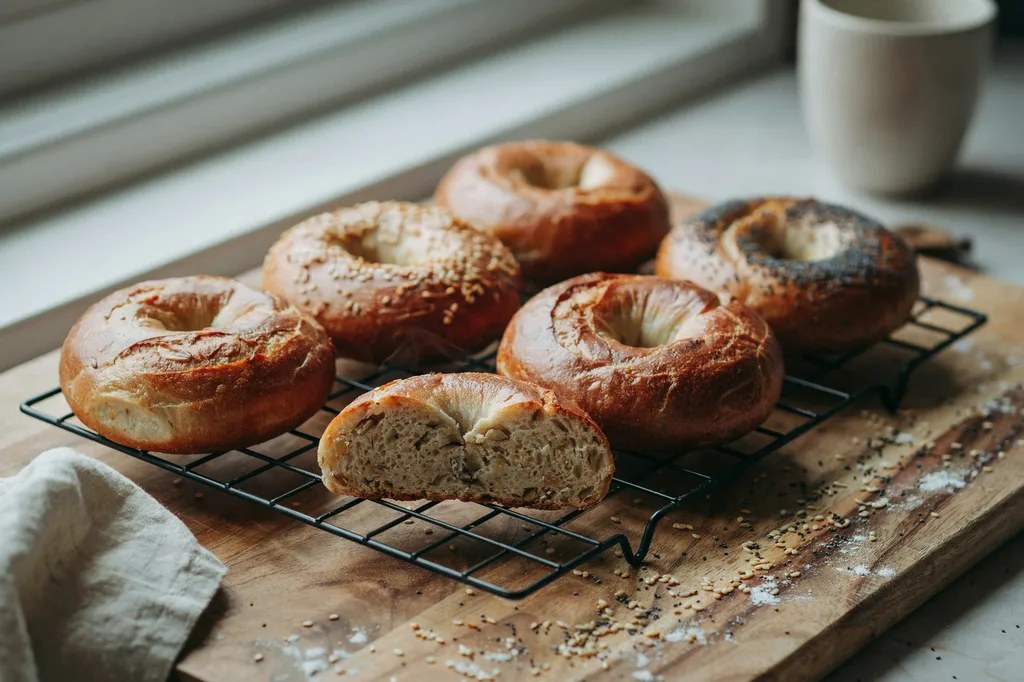
Chewy 100% fresh-milled bagels at 58% hydration, boiled in barley-malt water and baked at 475°F for the classic shiny crust and dense chew.
Key Takeaways
- Bagel dough is stiff (~58% hydration) — that is what creates the chew.
- A 1-minute boil per side sets the crust before baking.
- Adding barley malt syrup (or honey) to the boil deepens color and flavor.
- Cold-retard overnight for stronger flavor and a tighter crumb.
About this recipe
Chewy, boil-then-bake bagels made with a blend of freshly milled hard white and hard red wheat. Intermediate-skill, no special equipment.
Ingredients
- Fresh-milled hard white wheat flour400 g
- Fresh-milled hard red wheat flour100 g
- Warm water290 g
- Barley malt syrup (or honey)20 g
- Instant yeast5 g
- Fine sea salt10 g
- For the boil: water3 L
- Barley malt syrup (boil)30 g
Instructions
- 1
Mill 500 g berries (80% hard white, 20% hard red); cool to room temperature.
- 2
Whisk flours, water, and 20 g malt; rest 45 minutes.
- 3
Add yeast and salt; knead 8–10 minutes — the dough should be stiff and smooth.
- 4
Bulk ferment 60 minutes at 76°F.
- 5
Divide into 8 pieces (~100 g). Roll each into a 9-inch rope, wrap around your hand, and seal the seam.
- 6
Place on parchment, cover, and cold-retard 12–18 hours in the fridge.
- 7
Bring a wide pot of water with 30 g malt to a boil. Boil bagels 60 seconds per side.
- 8
Transfer to a parchment-lined sheet; bake at 475°F for 18–22 minutes until deep golden (yields 8 bagels). Cool on a rack; freeze any not eaten same day.
new to fresh-milled flour? start here — hydration, gluten development, and grain choice tips that make this recipe work.
Learn about this grain: Spelt guide — flavor, milling notes, baking tips, and four in-depth guides on hydration, storage, and common mistakes. Or browse more Spelt recipes.
Learn a technique
All guides →- How to Autolyse Fresh Milled FlourCombine flour and water and let it rest before adding yeast and salt. Bran softens, gluten develops passively, and the final dough is dramatically easier to handle.
- How to Increase Hydration SuccessfullyRaise water in 5% increments, autolyse longer, and lean on stretch and folds instead of kneading.
Related recipes
Browse all recipes →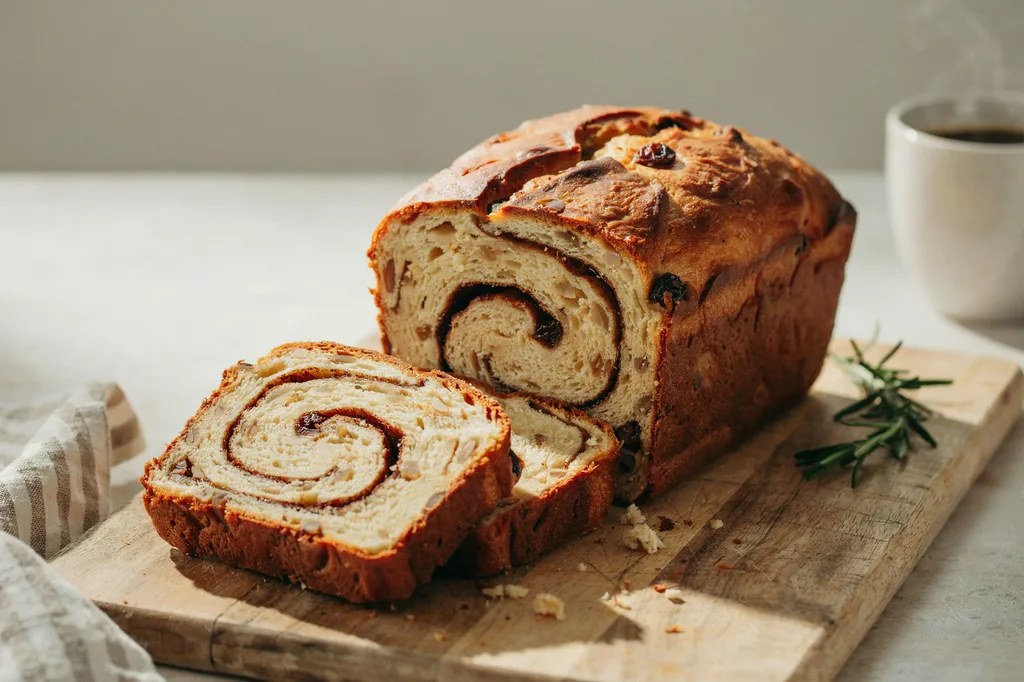
Fresh Milled Cinnamon Swirl Bread
Soft sandwich loaf with a bold cinnamon-sugar swirl, made with 100% fresh milled flour. Yield 1 (9x5) loaf. Prep 30 min, proof 2 hours, bake 40 min.
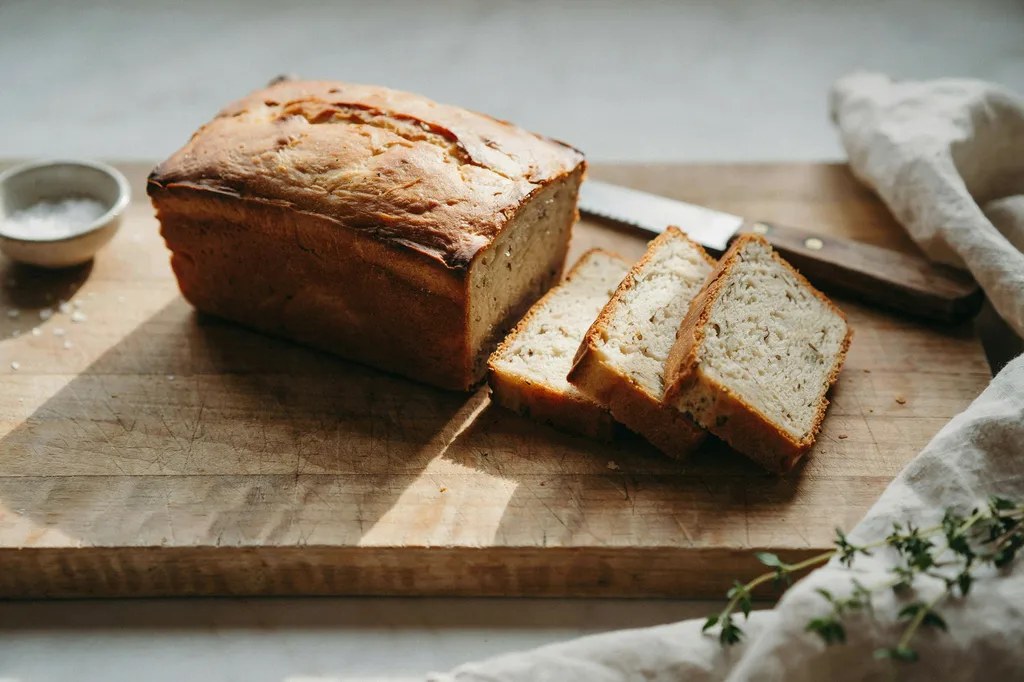
Fresh Milled Pullman Bread
Square-sided Pullman loaf with a fine, even crumb and tight crust — made with 100% fresh milled flour for the ultimate sandwich bread. Yield 1 (13-inch) Pullman loaf. Prep 25 min, proof 2 hours, bake 38 min.
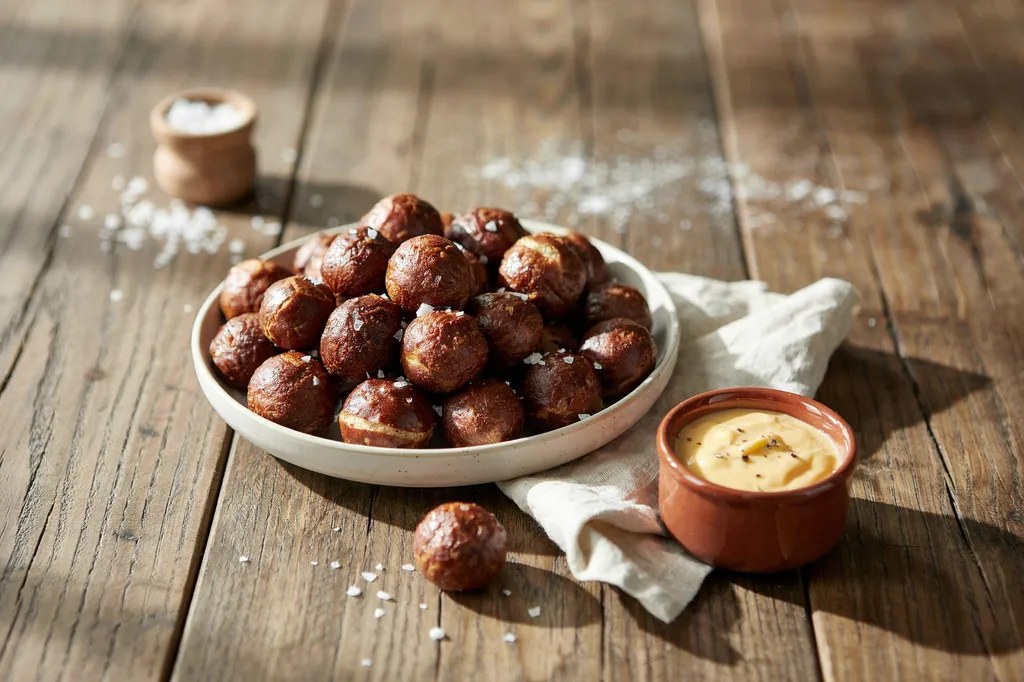
Fresh Milled Pretzel Bites
Snack-sized soft pretzel bites with chewy interior and deep crust, made with 100% fresh milled flour. Yield about 40 bites. Prep 25 min, proof 60 min, bake 12 min.
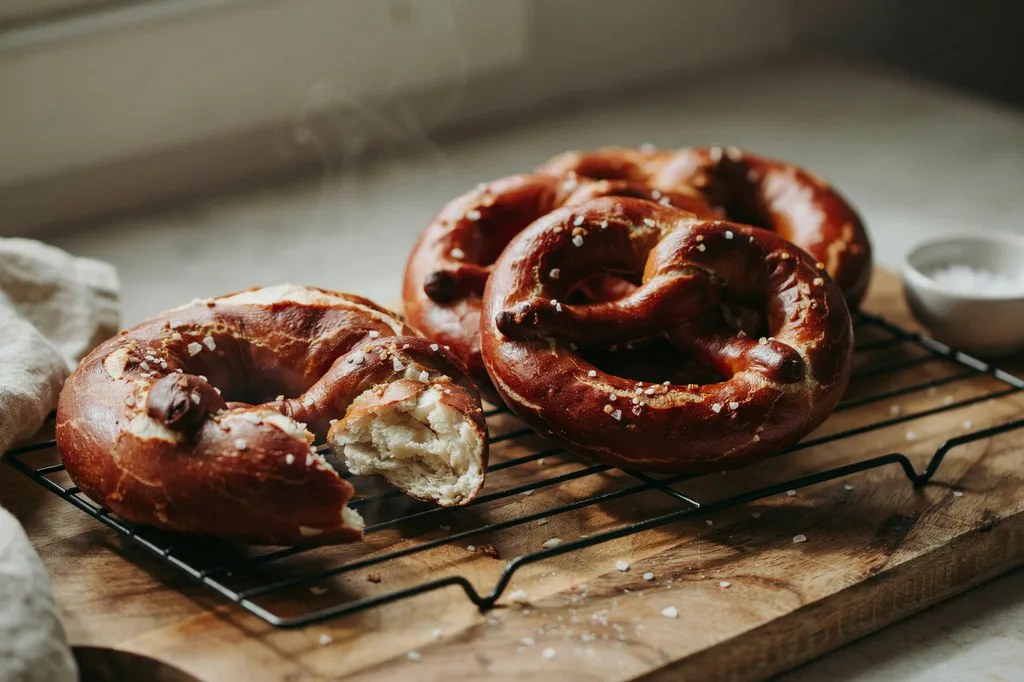
Fresh Milled Soft Pretzels
Traditional soft pretzels with deep mahogany crust and tender chew, made with 100% fresh milled flour. Yield 8 pretzels. Prep 30 min, proof 60 min, bake 14 min.
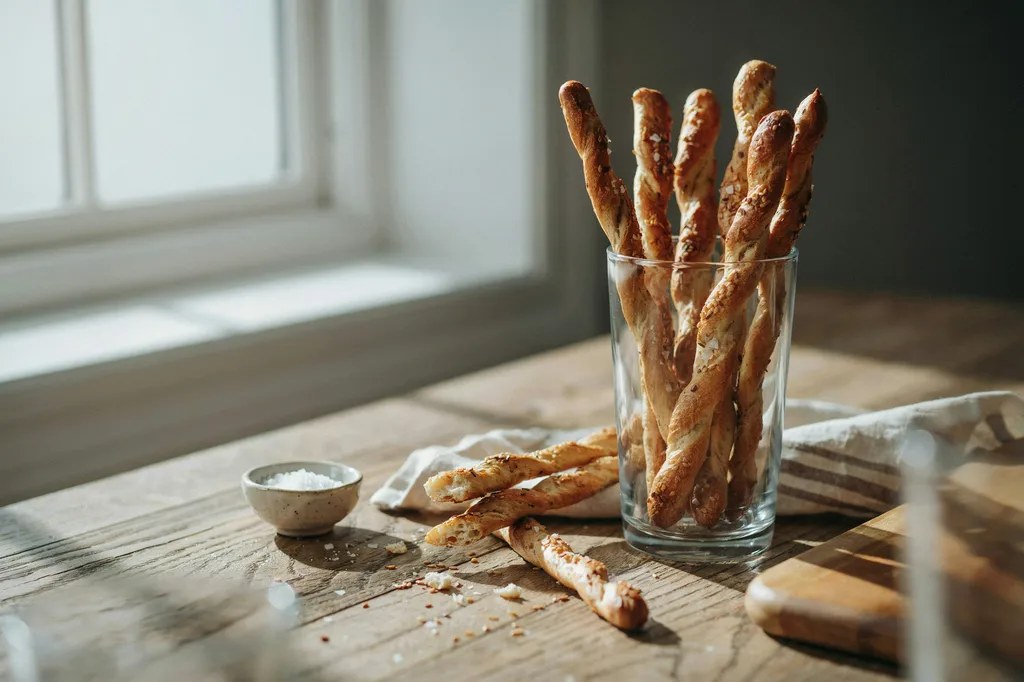
Fresh Milled Breadsticks
Soft, buttery breadsticks made with 100% fresh milled flour — perfect alongside soups, pasta, or salads. Yield 12 breadsticks. Prep 20 min, proof 75 min, bake 15 min.
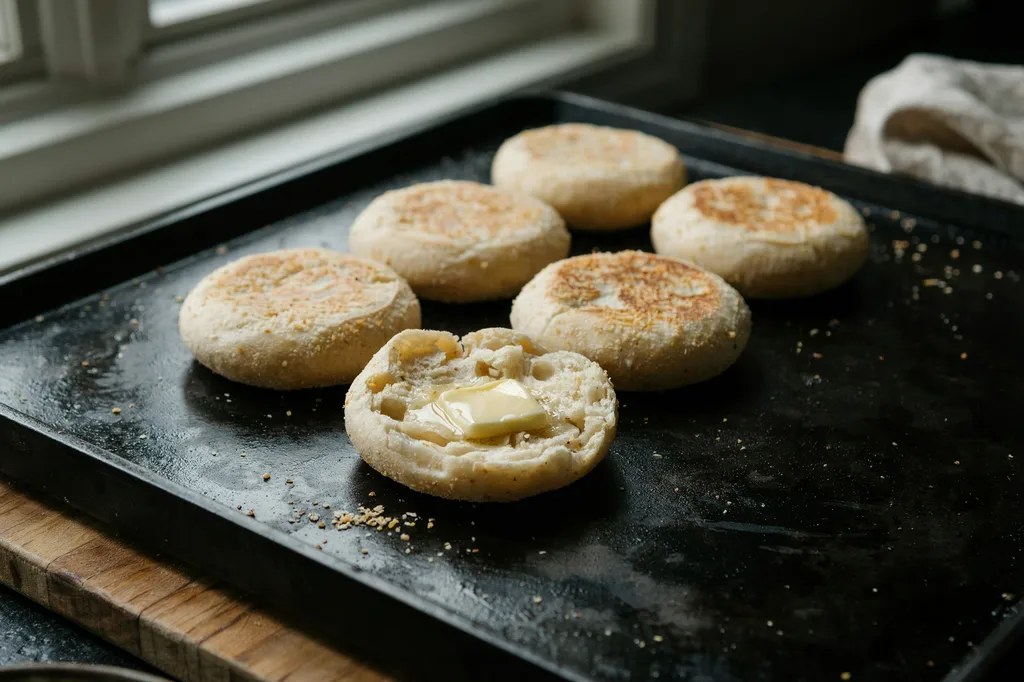
Fresh Milled English Muffins
Griddled English muffins with a tender, nook-and-cranny interior, made with freshly milled wheat. Yields 10 muffins. Prep 20 min, first rise 90 min, shape 15 min, second rise 45 min, griddle 10 min per batch.
Related Content
Recommended Grains
Related Techniques
How to Autolyse Fresh Milled Flour
Combine flour and water and let it rest before adding yeast and salt. Bran softens, gluten develops passively, and the final dough is dramatically easier to handle.
How to Increase Hydration Successfully
Raise water in 5% increments, autolyse longer, and lean on stretch and folds instead of kneading.
Related Troubleshooting
Why is my crumb too open and holey?
Bread shows large, uneven holes instead of a balanced, even crumb structure.
Why am I getting poor or no oven spring?
A loaf that doesn't expand significantly when it hits the oven, staying flat or barely rising.
Why is my fresh milled dough too sticky?
Fresh milled dough sticks to hands, bench, and bannetons and never feels manageable.
Related Conversions
Bread Flour to Fresh Milled Flour
Bread flour is refined, high-protein endosperm. To replace it you need a grain with comparable protein, which means hard red wheat at 13–14%. The swap is 1:1 by weight; add 7–10% more water and autolyse 30–60 minutes so the bran softens before you build strength. Fermentation runs 10–25% faster, not slower — check the dough early rather than extending bulk. Bread Flour to Hard Red Wheat carries the detailed figures. If you want a lighter loaf and can accept slightly less strength, Bread Flour to Hard White Wheat runs +5–8%.
Bread Flour to Hard White Wheat (Fresh-Milled)
Swap 1:1 by weight and add 5–8% more water. A 20–40 minute autolyse helps; sifting 10–15% of the coarsest bran makes the crumb nearly indistinguishable from a bread-flour loaf. Fermentation runs ~10–20% faster than bread flour.