
Fresh Milled Pullman Bread
Prep
25 min
Bake
38 min
Total time
1 hr 3 min
Hydration
75%
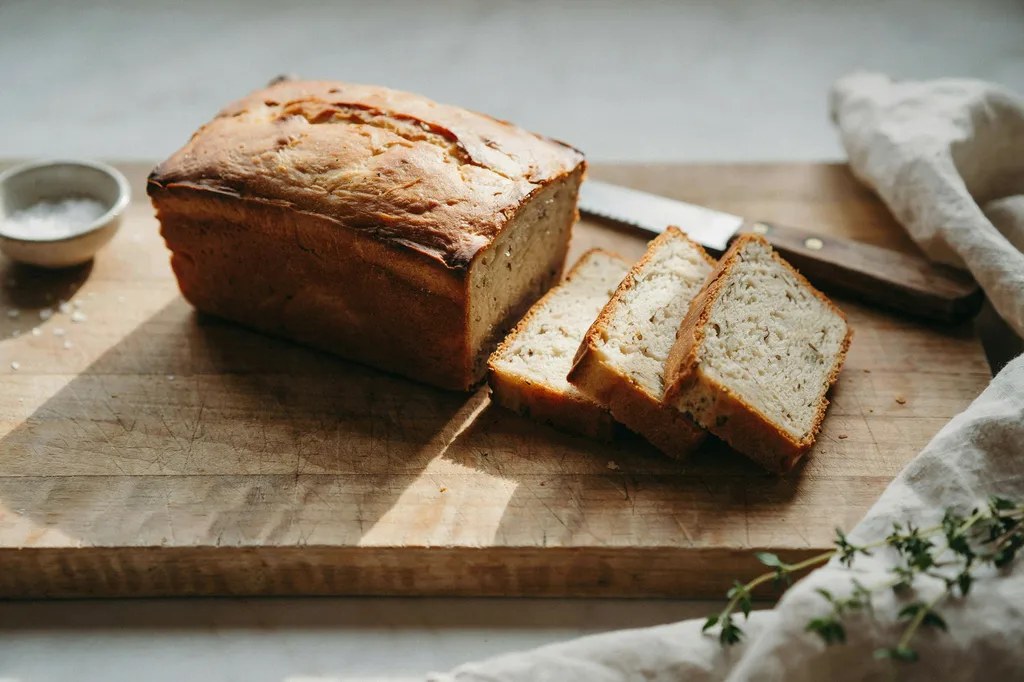
Fresh milled Pullman bread is a lidded sandwich loaf shaped to fill a 13-inch Pullman pan, producing square slices ideal for sandwiches, toast, and crustless tea sandwiches.
Key Takeaways
- Bake with the lid on for fully square slices; remove the lid for the last 5 minutes to deepen the crust.
- Fill the pan to about 80% before baking — overfilled dough crushes against the lid.
- Hard white wheat plus a small spelt blend gives the softest, most uniform crumb.
- Cool completely (1 hour minimum) before slicing for clean square edges.
About this recipe
Square-sided Pullman loaf with a fine, even crumb and tight crust — made with 100% fresh milled flour for the ultimate sandwich bread. Yield 1 (13-inch) Pullman loaf. Prep 25 min, proof 2 hours, bake 38 min.
Ingredients
- Fresh milled hard white wheat flour550 g (about 4⅔ cups, sifted)
- Fresh milled spelt flour100 g (about ¾ cup, sifted)
- Warm whole milk (100°F)420 g (1¾ cups)
- Honey30 g (1½ Tbsp)
- Instant yeast8 g (2½ tsp)
- Unsalted butter, softened45 g (3 Tbsp)
- Fine sea salt12 g (2 tsp)
- Neutral oil for the pan1 Tbsp
Instructions
- 1
Combine milk, honey, and yeast; rest 5 minutes.
- 2
Add both flours, butter, and salt. Mix shaggy. Autolyse 30 minutes.
- 3
Knead 10–12 minutes until smooth and slightly tacky.
- 4
Bulk ferment 75–90 minutes until nearly doubled.
- 5
Lightly oil a 13-inch Pullman pan and lid. Shape dough into a tight log the length of the pan.
- 6
Place seam-down in the pan. Proof 45–60 minutes until dough reaches about 80% of pan height.
- 7
Slide on the lid. Bake at 375°F (190°C) for 33 minutes.
- 8
Remove the lid and bake 5 more minutes until top is golden (internal 200°F).
- 9
Turn loaf out immediately onto a rack. Cool at least 1 hour before slicing.
beginner home milling guide — hydration, gluten development, and grain choice tips that make this recipe work.
Learn about this grain: Spelt guide — flavor, milling notes, baking tips, and four in-depth guides on hydration, storage, and common mistakes. Or browse more Spelt recipes.
Learn a technique
All guides →- How to Autolyse Fresh Milled FlourCombine flour and water and let it rest before adding yeast and salt. Bran softens, gluten develops passively, and the final dough is dramatically easier to handle.
- How to Sift Fresh Milled FlourPass freshly milled flour through a 50 or 60 mesh sieve. Reserve the bran for porridge or rebake it in.
- How to Stretch and Fold DoughEvery 30 minutes during bulk ferment, lift one side of the dough, stretch up, and fold over the top. Rotate 90° and repeat.
Related recipes
Browse all recipes →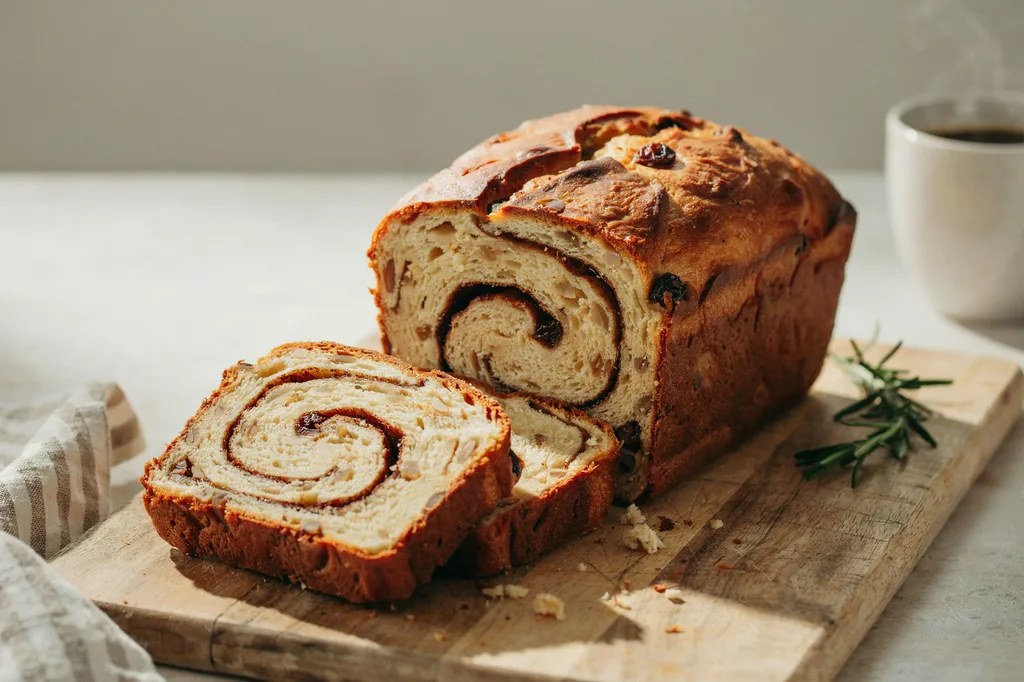
Fresh Milled Cinnamon Swirl Bread
Soft sandwich loaf with a bold cinnamon-sugar swirl, made with 100% fresh milled flour. Yield 1 (9x5) loaf. Prep 30 min, proof 2 hours, bake 40 min.

Fresh Milled Pretzel Bites
Snack-sized soft pretzel bites with chewy interior and deep crust, made with 100% fresh milled flour. Yield about 40 bites. Prep 25 min, proof 60 min, bake 12 min.

Fresh Milled Soft Pretzels
Traditional soft pretzels with deep mahogany crust and tender chew, made with 100% fresh milled flour. Yield 8 pretzels. Prep 30 min, proof 60 min, bake 14 min.
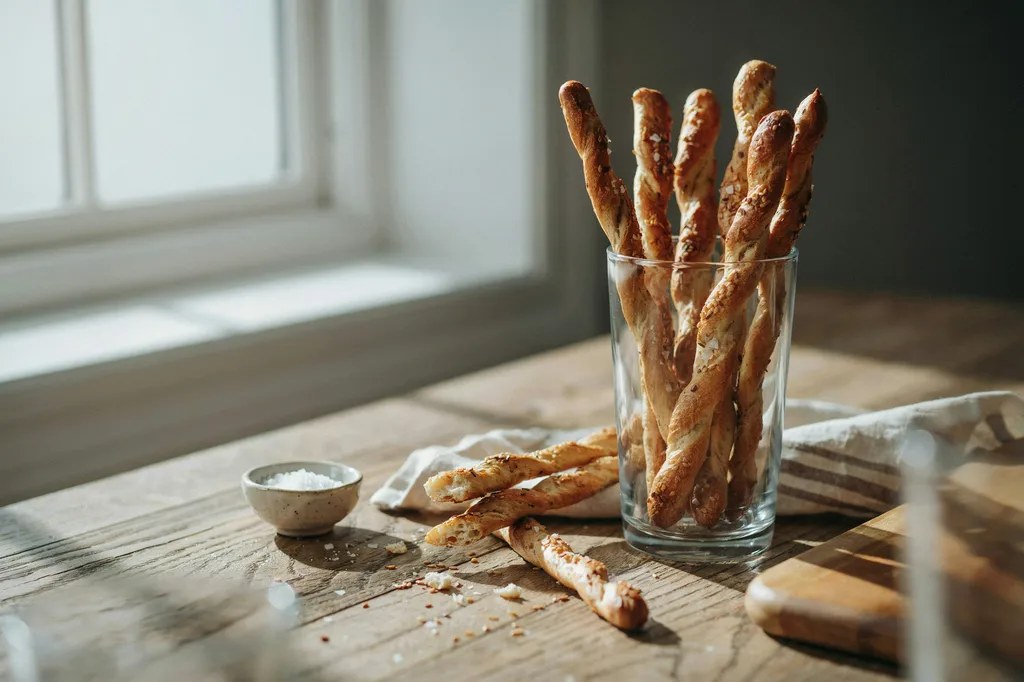
Fresh Milled Breadsticks
Soft, buttery breadsticks made with 100% fresh milled flour — perfect alongside soups, pasta, or salads. Yield 12 breadsticks. Prep 20 min, proof 75 min, bake 15 min.
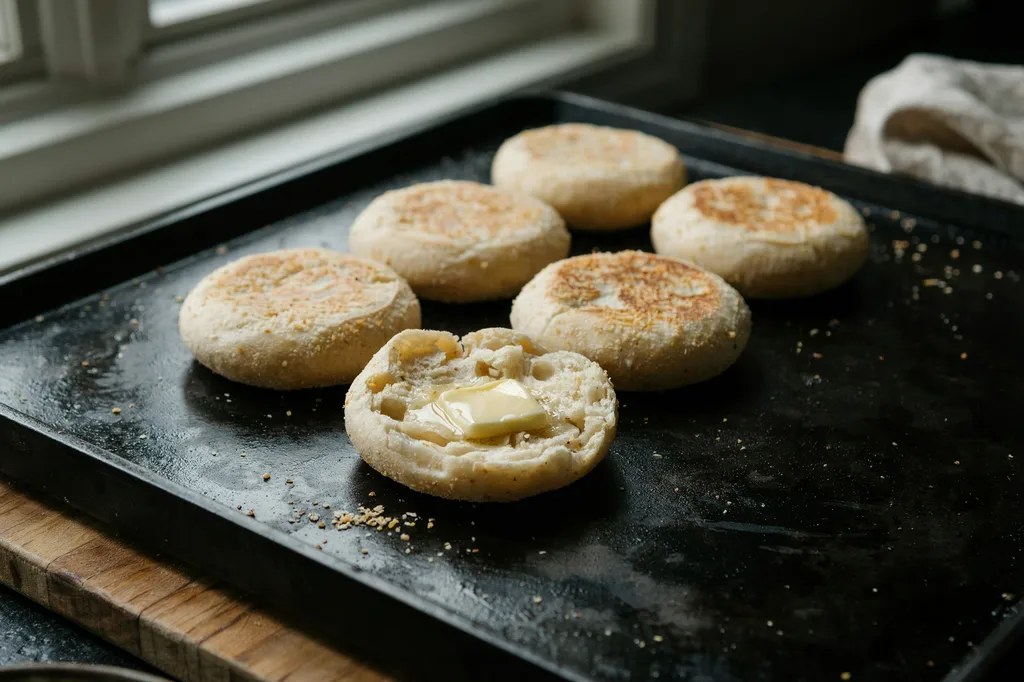
Fresh Milled English Muffins
Griddled English muffins with a tender, nook-and-cranny interior, made with freshly milled wheat. Yields 10 muffins. Prep 20 min, first rise 90 min, shape 15 min, second rise 45 min, griddle 10 min per batch.
100% Whole Wheat Sandwich Bread
A soft, everyday sandwich loaf made with 100% freshly milled hard white wheat. Beginner-friendly and built for sandwiches and toast.
Related Content
Recommended Grains
Related Techniques
How to Autolyse Fresh Milled Flour
Combine flour and water and let it rest before adding yeast and salt. Bran softens, gluten develops passively, and the final dough is dramatically easier to handle.
How to Sift Fresh Milled Flour
Pass freshly milled flour through a 50 or 60 mesh sieve. Reserve the bran for porridge or rebake it in.
How to Stretch and Fold Dough
Every 30 minutes during bulk ferment, lift one side of the dough, stretch up, and fold over the top. Rotate 90° and repeat.
Related Troubleshooting
How do I know if my dough is under-proofed?
Dough goes into the oven before fermentation has built enough gas and gluten extensibility, producing a dense, tight loaf.
Why is my fresh milled bread dense?
Loaves baked with fresh milled flour come out heavy, tight, and barely risen instead of light and airy.
Why is my crumb too tight and dense?
Bread with a uniformly tight, small-holed crumb rather than the open, airy structure you wanted.
Related Conversions
Store Whole Wheat to Fresh Milled Flour
Store-bought whole wheat is often months old and has lost volatile flavor compounds. Fresh milled tastes brighter and rises better with the same recipe.
Bread Flour to Fresh Milled Flour
Bread flour is refined, high-protein endosperm. To replace it you need a grain with comparable protein, which means hard red wheat at 13–14%. The swap is 1:1 by weight; add 7–10% more water and autolyse 30–60 minutes so the bran softens before you build strength. Fermentation runs 10–25% faster, not slower — check the dough early rather than extending bulk. Bread Flour to Hard Red Wheat carries the detailed figures. If you want a lighter loaf and can accept slightly less strength, Bread Flour to Hard White Wheat runs +5–8%.