
Fresh-Milled Sourdough Boule
Prep
90 min
Bake
47 min
Total time
2 hr 17 min
Hydration
85%
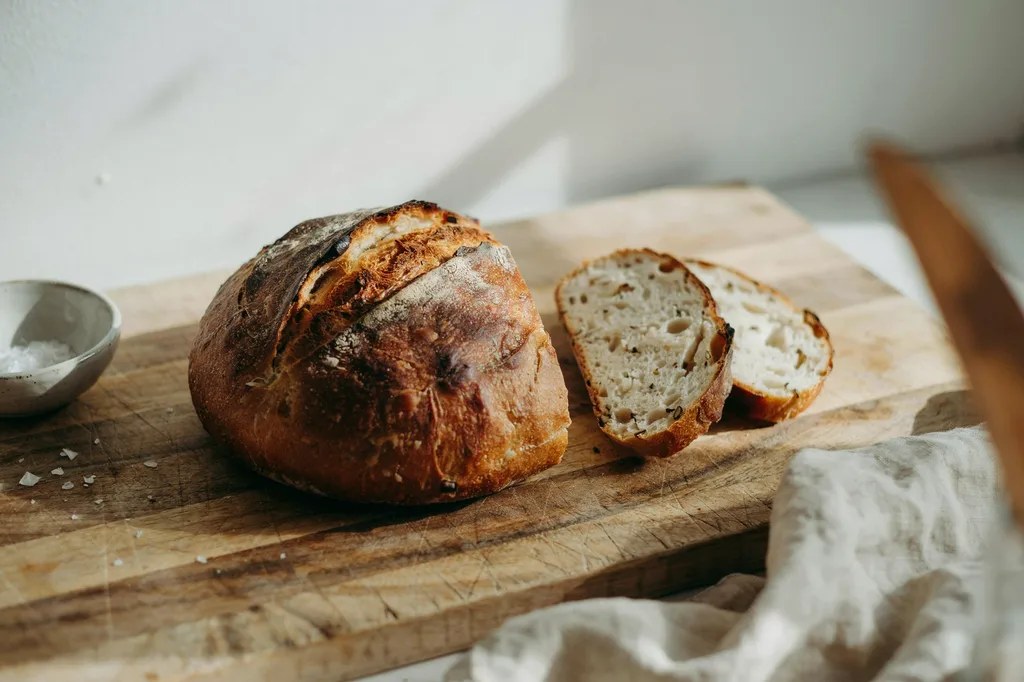
A 100% fresh-milled sourdough boule needs about 85% hydration, a 60-minute autolyse, four sets of stretch-and-folds, and a cold overnight retard for open crumb and crackly crust.
Key Takeaways
- Mill fresh and let flour cool before mixing — warm flour absorbs unevenly.
- Autolyse for 60 minutes; fresh-milled bran needs time to fully hydrate.
- Hold back 25 g of water as a bassinage to add with the salt.
- Bulk for 4–6 hours at 76°F, watching dough (not the clock) for 50–75% rise.
- Cold retard improves both flavor and scoring control.
About this recipe
A high-hydration, 100% fresh-milled sourdough boule with an open crumb, deep flavor, and a crackly crust — built around an autolyse and four sets of stretch-and-folds.
Ingredients
- Fresh-milled hard red wheat flour400 g
- Fresh-milled hard white wheat flour100 g
- Water (85°F)425 g
- Active sourdough starter (100% hydration)100 g
- Fine sea salt11 g
Instructions
- 1
Mill 500 g of berries (80% hard red / 20% hard white) on the finest setting your mill allows. Let the flour cool to room temperature.
- 2
Combine flour and 400 g water. Mix until no dry bits remain. Cover and autolyse 60 minutes.
- 3
Add starter, salt, and the remaining 25 g water. Pinch and fold until fully incorporated.
- 4
Bulk ferment 4–6 hours at 76°F. Perform four sets of stretch-and-folds in the first 2 hours, 30 minutes apart.
- 5
Pre-shape on a lightly floured counter. Rest 20 minutes seam-side down.
- 6
Final shape into a tight boule. Place seam-side up in a floured banneton.
- 7
Cold retard 12–16 hours at 38°F.
- 8
Preheat Dutch oven to 500°F for 45 minutes. Turn dough onto parchment, score deeply across the top.
- 9
Bake covered 20 minutes at 500°F, then uncovered 22–25 minutes at 460°F until deeply browned. Internal temp 207°F.
- 10
Cool completely on a rack at least 90 minutes before slicing.
home grain milling tutorial — hydration, gluten development, and grain choice tips that make this recipe work.
Learn about this grain: Hard White Wheat guide — flavor, milling notes, baking tips, and four in-depth guides on hydration, storage, and common mistakes. Or browse more Hard White Wheat recipes.
Learn a technique
All guides →- How to Autolyse Fresh Milled FlourCombine flour and water and let it rest before adding yeast and salt. Bran softens, gluten develops passively, and the final dough is dramatically easier to handle.
- How to Increase Hydration SuccessfullyRaise water in 5% increments, autolyse longer, and lean on stretch and folds instead of kneading.
- How to Stretch and Fold DoughEvery 30 minutes during bulk ferment, lift one side of the dough, stretch up, and fold over the top. Rotate 90° and repeat.
Related recipes
Browse all recipes →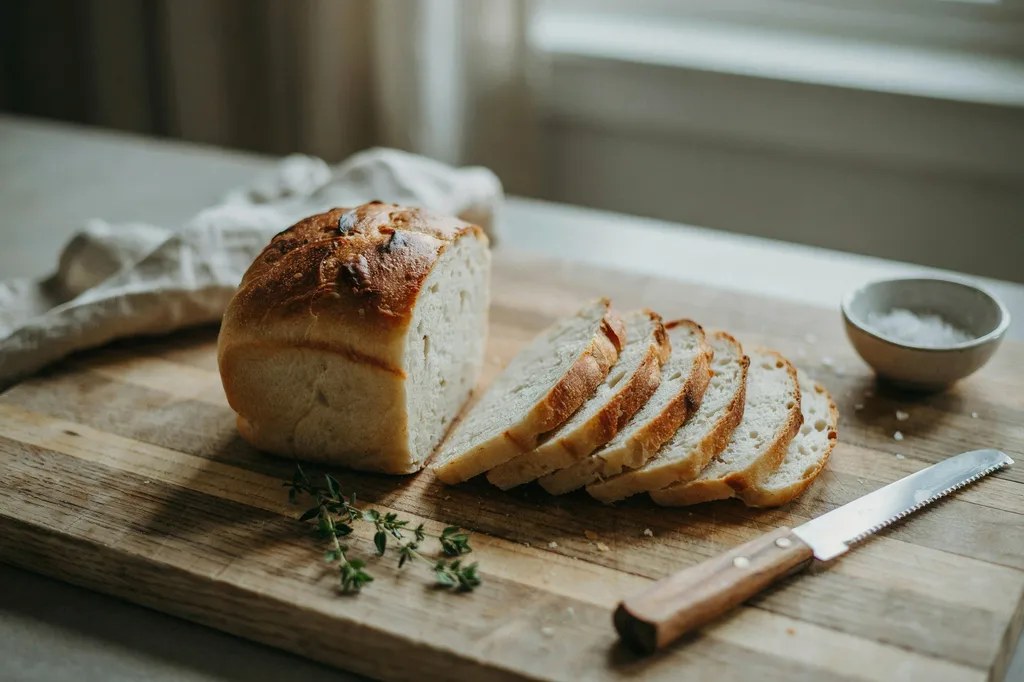
Fresh-Milled Sourdough Sandwich Bread
A soft, sliceable sourdough sandwich loaf made with 100% freshly milled hard white wheat — perfect for toast, lunchboxes, and grilled cheese.
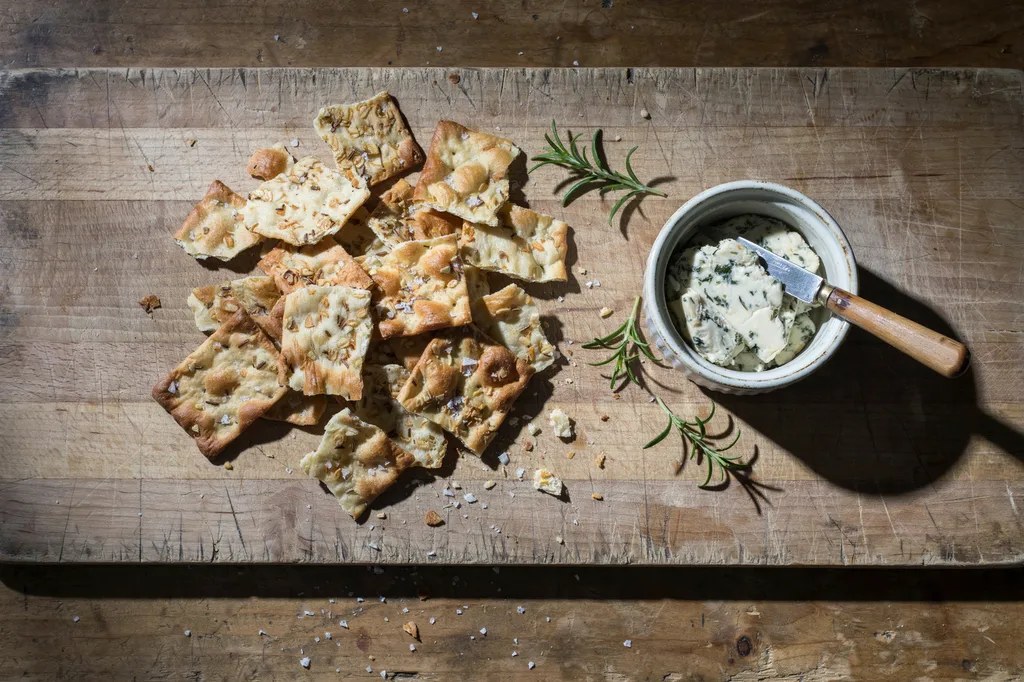
Fresh-Milled Sourdough Discard Crackers
Thin, crispy seeded crackers made from sourdough discard and freshly milled flour — perfect for cheese boards and lunchbox snacks.
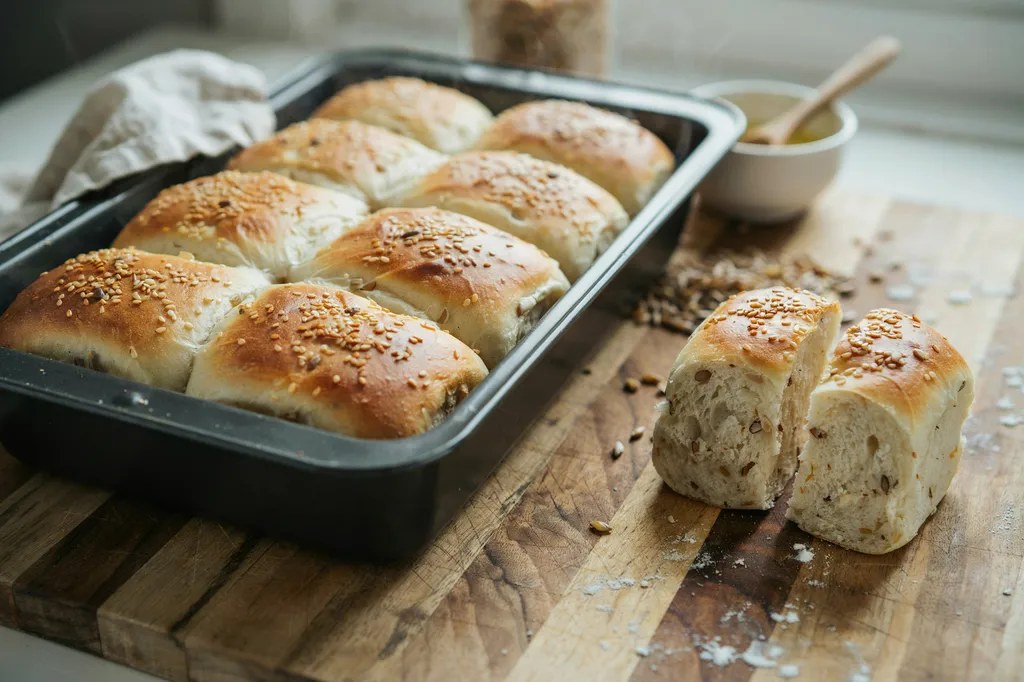
Fresh Milled Hot Dog Buns
Soft, pillowy hot dog buns made with 100% fresh milled flour. Yield 8 buns. Prep 25 min, proof 90 min, bake 18 min.
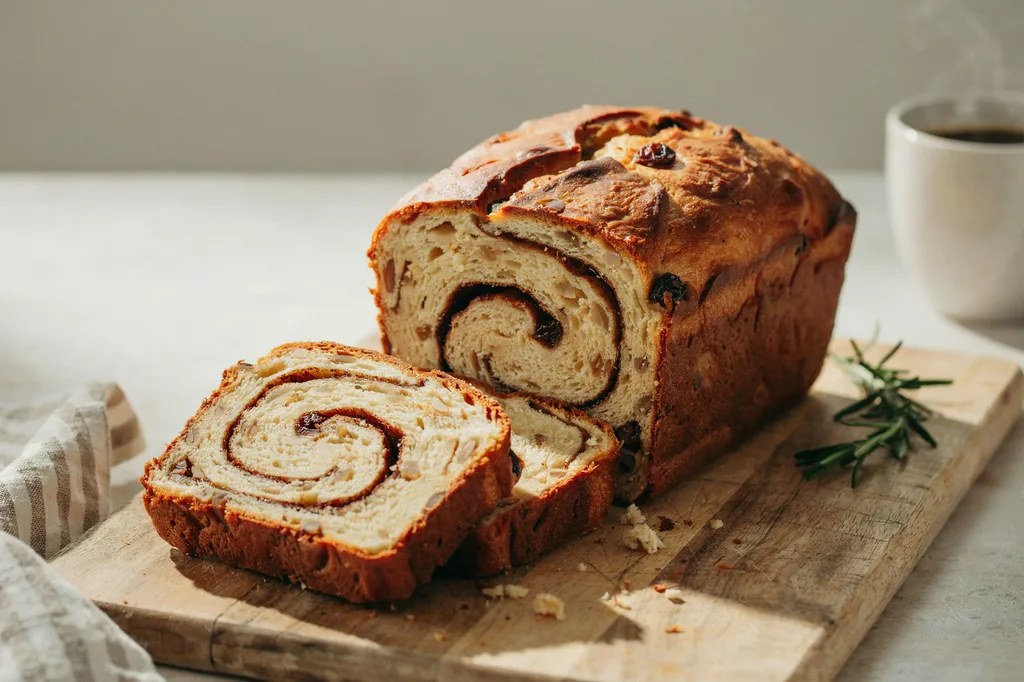
Fresh Milled Cinnamon Swirl Bread
Soft sandwich loaf with a bold cinnamon-sugar swirl, made with 100% fresh milled flour. Yield 1 (9x5) loaf. Prep 30 min, proof 2 hours, bake 40 min.
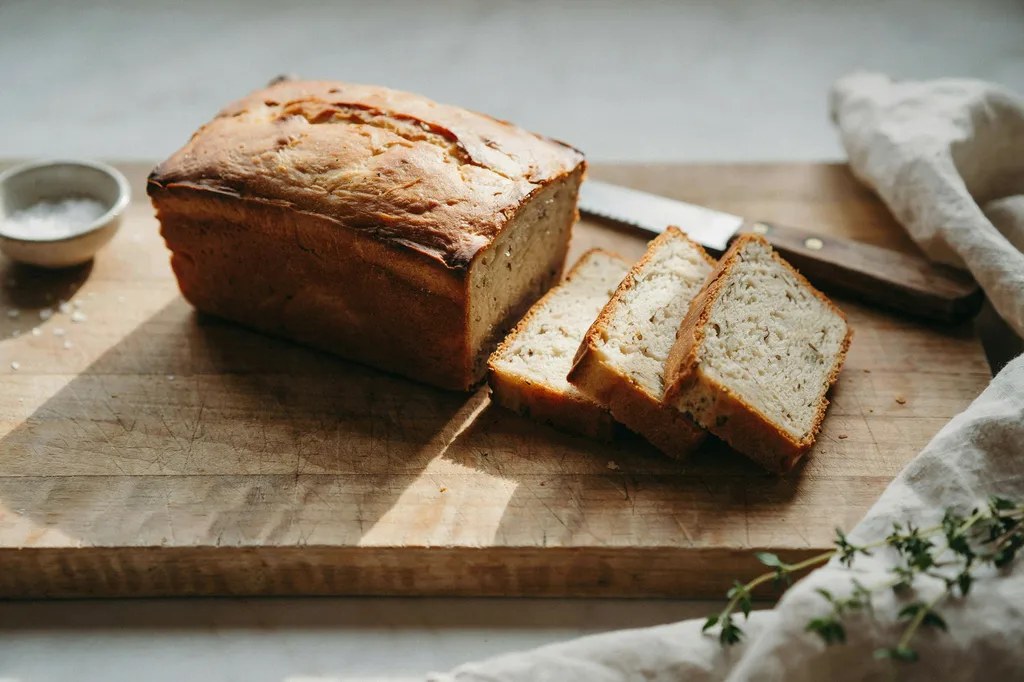
Fresh Milled Pullman Bread
Square-sided Pullman loaf with a fine, even crumb and tight crust — made with 100% fresh milled flour for the ultimate sandwich bread. Yield 1 (13-inch) Pullman loaf. Prep 25 min, proof 2 hours, bake 38 min.
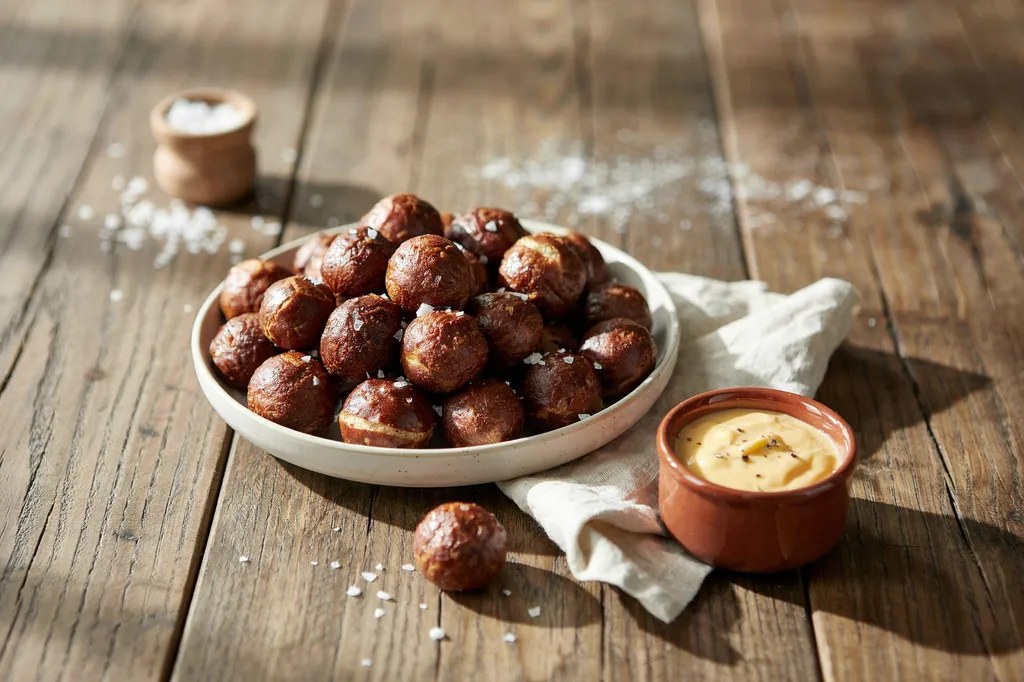
Fresh Milled Pretzel Bites
Snack-sized soft pretzel bites with chewy interior and deep crust, made with 100% fresh milled flour. Yield about 40 bites. Prep 25 min, proof 60 min, bake 12 min.
Related Content
Recommended Grains
Related Techniques
How to Autolyse Fresh Milled Flour
Combine flour and water and let it rest before adding yeast and salt. Bran softens, gluten develops passively, and the final dough is dramatically easier to handle.
How to Increase Hydration Successfully
Raise water in 5% increments, autolyse longer, and lean on stretch and folds instead of kneading.
How to Stretch and Fold Dough
Every 30 minutes during bulk ferment, lift one side of the dough, stretch up, and fold over the top. Rotate 90° and repeat.
Related Troubleshooting
Why is the crumb of my bread gummy?
Cut crumb feels sticky or doughy in the center.
Why is my crumb too tight and dense?
Bread with a uniformly tight, small-holed crumb rather than the open, airy structure you wanted.
Why am I getting poor or no oven spring?
A loaf that doesn't expand significantly when it hits the oven, staying flat or barely rising.
Why does my fresh milled loaf collapse after baking?
A risen loaf that deflates in or just after the oven, leaving a sunken top and dense crumb.
Related Comparisons
Autolyse vs No Autolyse for Fresh-Milled Flour
Does autolyse actually matter for fresh-milled flour? Side-by-side on hydration, gluten, and final crumb.
Sourdough vs Commercial Yeast for Fresh-Milled Flour
How sourdough and commercial yeast each perform with fresh-milled flour — flavor, digestibility, schedule, and crumb.
Sifted vs 100% Whole Grain Fresh-Milled Flour
Should you sift bran out of fresh-milled flour, or bake with the whole grain? Trade-offs in crumb, flavor, and nutrition.
Related Conversions
Bread Flour to Fresh Milled Flour
Bread flour is refined, high-protein endosperm. To replace it you need a grain with comparable protein, which means hard red wheat at 13–14%. The swap is 1:1 by weight; add 7–10% more water and autolyse 30–60 minutes so the bran softens before you build strength. Fermentation runs 10–25% faster, not slower — check the dough early rather than extending bulk. Bread Flour to Hard Red Wheat carries the detailed figures. If you want a lighter loaf and can accept slightly less strength, Bread Flour to Hard White Wheat runs +5–8%.
All-Purpose Flour to Hard Red Wheat (Fresh-Milled)
Swap 1:1 by weight (not volume). Add 7–10% extra water and let the dough autolyse 30–60 minutes so bran can fully hydrate before strength building. Expect bulk fermentation to move 15–25% faster than AP. If a recipe calls for AP and asks for windowpane, accept a slightly weaker membrane — fresh red wheat will still build strength with stretch-and-folds.
Bread Flour to Hard Red Wheat (Fresh-Milled)
Swap 1:1 by weight and add 7–10% more water. Always autolyse 30–60 minutes — bran needs time to soften before gluten can fully develop. Plan for 3–4 stretch-and-folds during bulk. Fermentation is 15–25% faster than with bread flour. Expect a slightly less open crumb than a white bread-flour loaf, especially at the same hydration.