
Fresh Milled Whole Wheat Waffles
Prep
10 min
Bake
25 min
Total time
35 min
Hydration
75%

Fresh milled whole wheat waffles are light, crisp-edged waffles made by separating eggs and folding in whipped whites — the contrast to dense whole-grain waffles people expect.
Key Takeaways
- Whip the egg whites separately and fold them in for lightness.
- Mill on the finest setting and let the batter rest 10 minutes.
- Hot iron + a thin coat of oil = crisp exteriors.
- Hold finished waffles on a rack in a 200°F oven, not stacked, so they stay crisp.
About this recipe
Crisp-edged, tender whole wheat waffles made with freshly milled flour. Yields 6 standard or 4 Belgian waffles. Prep 10 min, batter rest 10 min, cook 4–5 min per waffle.
Ingredients
- freshly milled hard white wheat flour240 g (about 2 cups)
- granulated sugar25 g (2 Tbsp)
- baking powder10 g (2 1/4 tsp)
- baking soda2 g (1/2 tsp)
- fine sea salt3 g (1/2 tsp)
- large eggs, separated2
- buttermilk360 g (1 1/2 cups)
- melted butter85 g (6 Tbsp)
- vanilla extract5 g (1 tsp)
Instructions
- 1
Preheat your waffle iron. Mill the wheat on the finest setting.
- 2
Whisk flour, sugar, baking powder, baking soda, and salt in a large bowl.
- 3
In a second bowl, whisk egg yolks, buttermilk, melted butter, and vanilla.
- 4
In a third bowl, beat egg whites to soft peaks.
- 5
Pour the yolk mixture into the flour and stir until just combined. Fold in the whites in two additions. Rest 10 minutes.
- 6
Lightly oil the iron. Ladle batter according to your iron’s capacity and cook until deeply golden and crisp, 4–5 minutes.
- 7
Transfer finished waffles to a rack in a 200°F oven — don’t stack them, or steam will soften the crust.
- 8
Serve warm. Freeze leftovers in a single layer; reheat in a toaster from frozen.
how to start milling flour at home — hydration, gluten development, and grain choice tips that make this recipe work.
Learn about this grain: Spelt guide — flavor, milling notes, baking tips, and four in-depth guides on hydration, storage, and common mistakes. Or browse more Spelt recipes.
Learn a technique
All guides →Related recipes
Browse all recipes →
Fresh-Milled Sourdough Discard Pancakes
Light, tangy pancakes that use up sourdough discard and fresh-milled flour in 15 minutes — no overnight prep required.

Fresh Milled Blueberry Muffins
Tender, bakery-style blueberry muffins made with freshly milled whole wheat flour. Yields 12 muffins. Prep 15 min, bake 22 min, rest 5 min before turning out. Use a fine mill setting and rest the batter 10 minutes so the bran hydrates and the crumb stays soft.

Fresh Milled Buttermilk Biscuits
Flaky, fresh-milled buttermilk biscuits with crisp tops and tender layers. Yields 9 biscuits. Prep 15 min, bake 15 min, ready in 30 min.
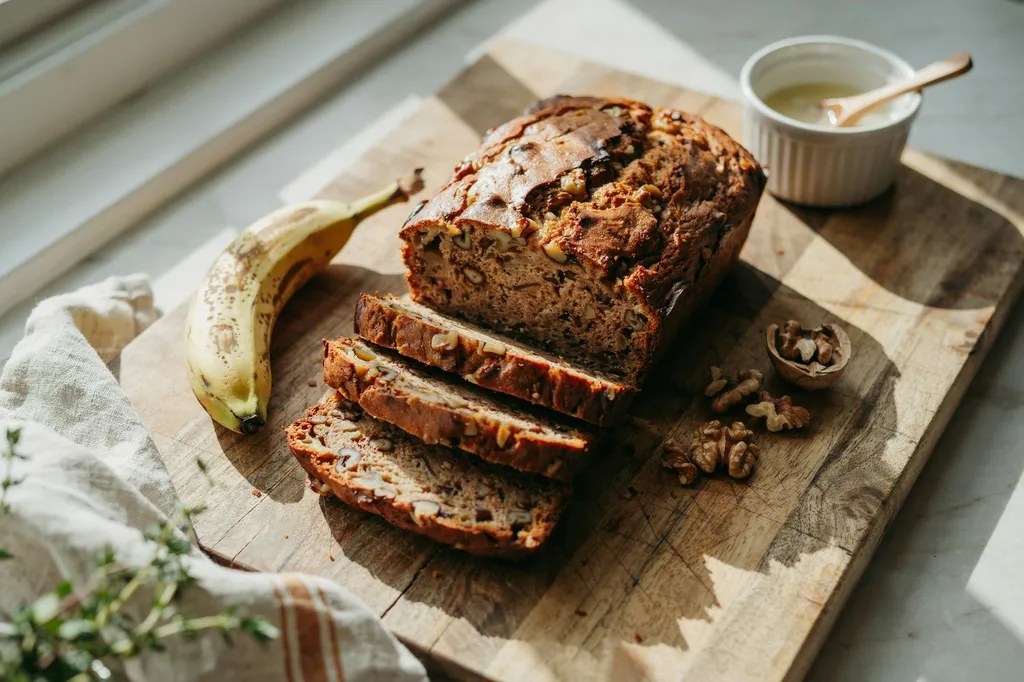
Fresh Milled Banana Bread
Moist, deeply flavored banana bread made with 100% freshly milled wheat. Yields one 9x5 loaf (about 10 slices). Prep 15 min, bake 55–65 min, rest 15 min in pan plus 30 min on rack before slicing.
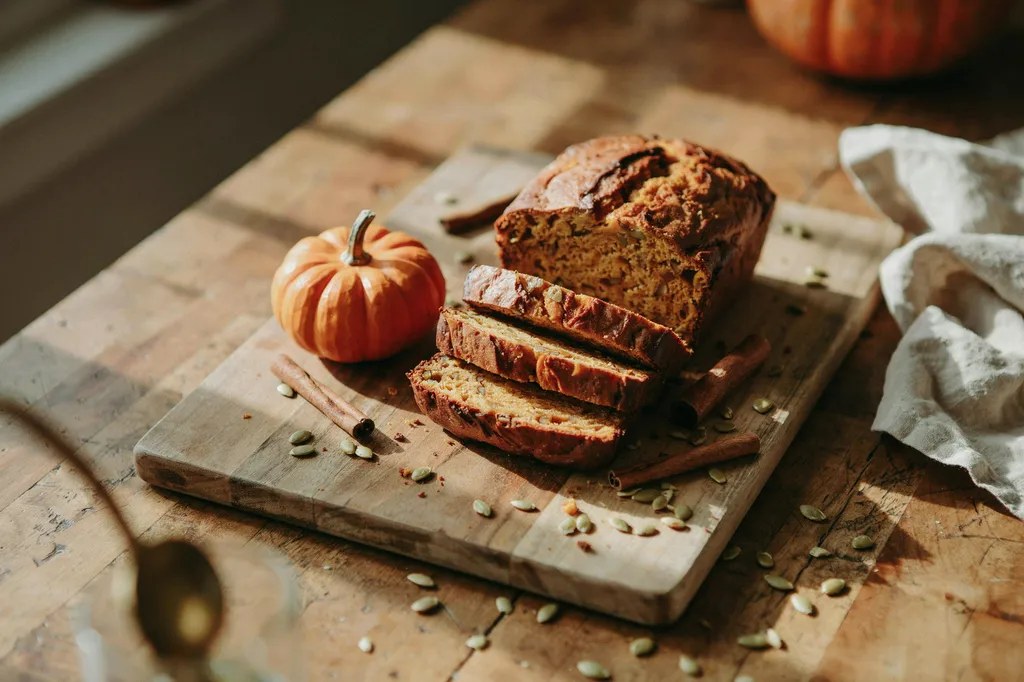
Fresh Milled Pumpkin Bread
Moist, spiced pumpkin bread made with 100% freshly milled wheat. Yields one 9x5 loaf (about 10 slices). Prep 15 min, bake 60–70 min, rest 15 min in pan + 30 min on rack before slicing.

Fresh Milled Chocolate Chip Muffins
Soft, family-friendly chocolate chip muffins made with freshly milled wheat. Yields 12 muffins. Prep 15 min, bake 20 min, rest 5 min in pan.
Related Content
Recommended Grains
Related Techniques
How to Increase Hydration Successfully
Raise water in 5% increments, autolyse longer, and lean on stretch and folds instead of kneading.
How to Sift Fresh Milled Flour
Pass freshly milled flour through a 50 or 60 mesh sieve. Reserve the bran for porridge or rebake it in.
Related Troubleshooting
Why is the crumb of my bread gummy?
Cut crumb feels sticky or doughy in the center.
How much water do I add to fresh milled flour?
Bakers new to fresh milled flour struggle to translate commercial-flour hydration to whole-grain dough.
Why is my crust too pale?
A loaf that finishes baking with a soft, blond crust instead of a deep golden or mahogany color.