
Rye Sourdough
Prep
30 min
Bake
65 min
Total time
1 hr 35 min
Hydration
80%
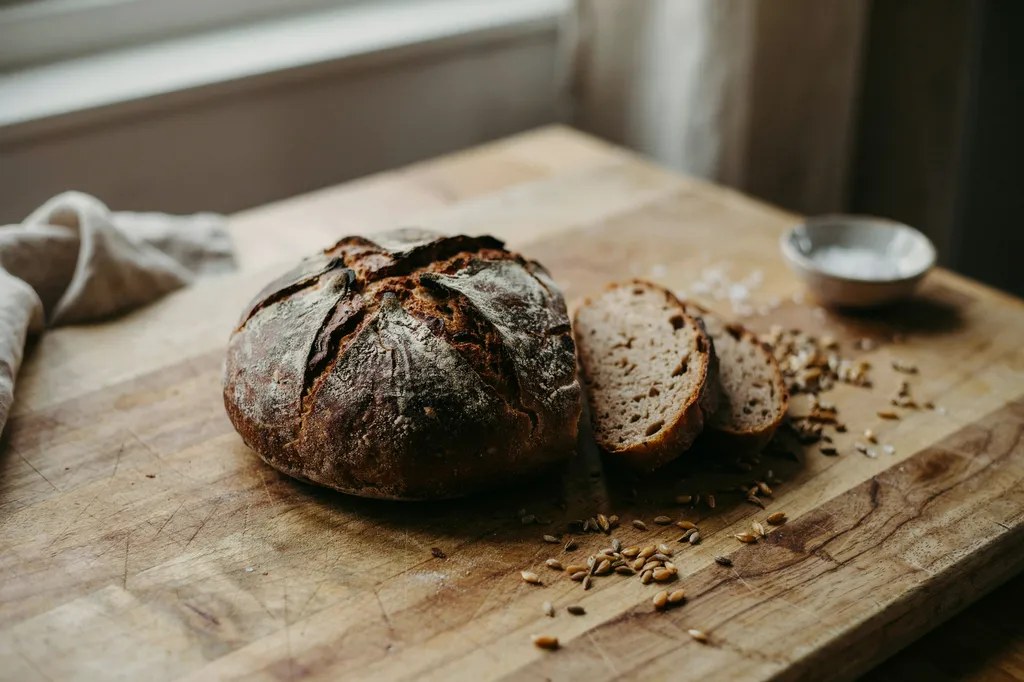
This 100% fresh milled rye sourdough is a high-hydration (80%) pan loaf, mixed batter-style and proofed once. No gluten development, no shaping, no folds — just a deeply tangy, dense Northern European loaf with a dark caramelized crust.
Key Takeaways
- 100% rye is mixed like batter — no kneading, folding, or shaping.
- 80% hydration is the workable minimum for fresh milled rye.
- Use a rye-fed starter for best rise; wheat starters underperform on pure rye.
- Wait 12–24 hours before slicing or the crumb will tear and read gummy.
- A dusted flour cap signals proof: cracks mean the loaf is ready to bake.
About this recipe
Rye is not wheat. It does not develop gluten the same way, it absorbs vastly more water, and it is colonized by enzymes (pentosans) that completely change how you handle it. Forget every shaping and folding technique you have learned. A 100% rye loaf is mixed like batter, scraped into a pan, proofed once, and baked low and long. This recipe uses freshly milled whole rye berries for maximum flavor and a fresh enzyme load that helps the dough rise. Hydration sits at 80% — anything less and the dough will be unworkable. Even at 80% it will feel like wet clay; that is correct. Fresh milled rye sourdough is a different bread tradition entirely. It is dense by design. It slices thin, keeps for a week, and is meant to be eaten with butter, smoked fish, hard cheese, or pickles. Do not try to make it open and airy — that is wheat thinking. The starter matters more than for any other bread. A vigorous, freshly fed 100% rye starter at peak is the difference between a beautifully risen loaf and a brick. If your starter is wheat-based, feed it twice with rye flour over 24 hours before mixing the dough.
Ingredients
- Freshly milled whole rye flour500 g
- Water (95°F / 35°C)400 g
- Active 100% hydration rye sourdough starter150 g
- Fine sea salt12 g
- Caraway seeds (optional)10 g
- Rye flour for dusting the loafas needed
Instructions
- 1
Feed your starter 100 g rye flour + 100 g water 4–6 hours before mixing. It should rise 50–75% and smell sharply tangy.
- 2
Mill rye berries on a medium-fine setting. Weigh 500 g flour.
- 3
In a large bowl, combine flour, warm water, starter, salt, and optional caraway. Mix with a sturdy spoon or stand mixer paddle until fully homogenous — about 3 minutes. It will resemble thick batter or wet clay, not bread dough.
- 4
Lightly oil a 9x5 loaf pan and line the bottom with parchment.
- 5
Scrape the dough into the pan with wet hands. Smooth the top with wet fingers and press to fill the corners.
- 6
Dust the top heavily with rye flour. The flour layer will crackle attractively as the dough rises.
- 7
Cover loosely and proof at warm room temperature (76–80°F) until the dough rises to within 1/2 inch of the rim and the flour topping shows wide cracks. This usually takes 3–5 hours.
- 8
Preheat oven to 475°F (245°C) with a sheet pan on the lower rack and a pan of water on the bottom for steam.
- 9
Place the loaf pan on the middle rack and bake 15 minutes at 475°F.
- 10
Reduce heat to 400°F (205°C) and bake 35–40 more minutes until the crust is deeply browned and the internal temperature reads 205°F (96°C).
- 11
Turn loaf out of pan immediately onto a rack. Tap the bottom — it should sound hollow.
- 12
Cool completely (minimum 12 hours, ideally 24) before slicing. Rye crumb is wet immediately after baking and needs time for starches to set. Wrap in linen at room temperature.
home grain milling tutorial — hydration, gluten development, and grain choice tips that make this recipe work.
Learn about this grain: Rye guide — flavor, milling notes, baking tips, and four in-depth guides on hydration, storage, and common mistakes. Or browse more Rye recipes.
Learn a technique
All guides →- Cold Retard & Bulk for Fresh-Milled SourdoughHow to time and temperature-manage bulk fermentation and cold retard for fresh-milled sourdough to develop flavor without overproofing.
- Fresh Milled Flour Hydration GuideHydration is the single variable that fixes more fresh-milled bread problems than any other adjustment. Bagged bread flour is engineered to behave predictably — milled to a uniform fine particle, aged for weeks, and stripped of the thirsty bran and germ. Fresh-milled flour is the opposite: it contains every part of the kernel, and the intact bran soaks up water slowly. The same recipe that produces a slack, sticky white-flour dough produces a dry, tight fresh-milled dough unless you increase the liquid. This guide explains why hydration matters more for fresh flour, how each grain behaves, how to read dough texture by feel, how to convert standard recipes, and how to troubleshoot the most common hydration symptoms.
- Bulk Fermentation with Fresh-Milled FlourFresh-milled flour ferments faster than commercial flour. Watch the dough, not the clock, and end bulk fermentation when volume has grown 50–75%.
- Build & Maintain a Fresh-Milled Sourdough StarterA step-by-step guide to creating a robust whole-grain sourdough starter from scratch and maintaining it for weekly baking.
Related recipes
Browse all recipes →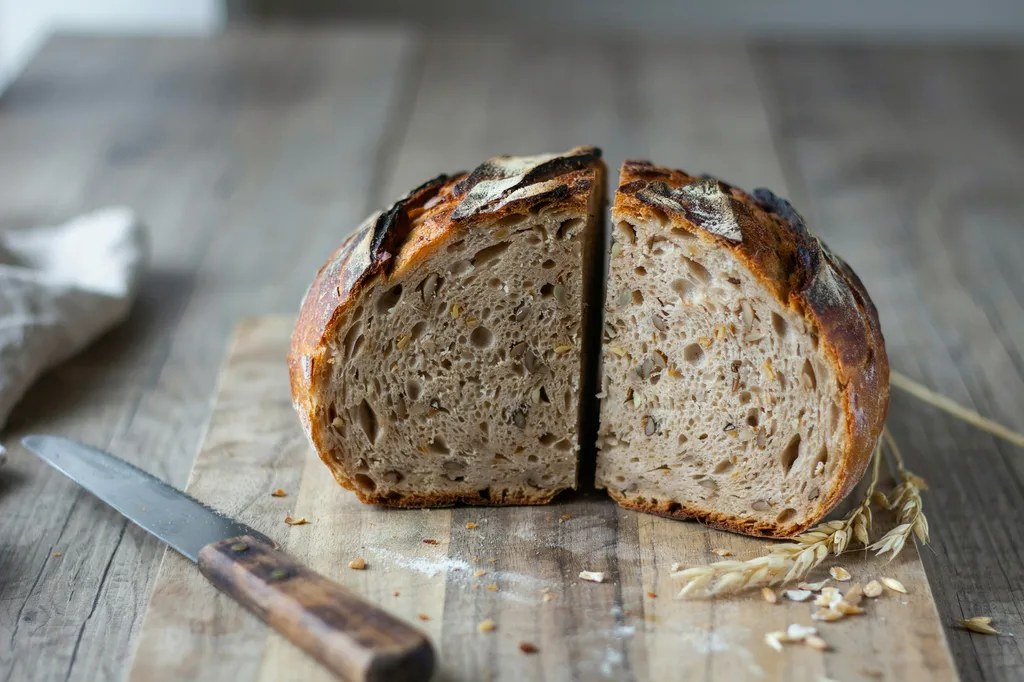
100% Whole Wheat Sourdough
A deeply flavored sourdough loaf made entirely from fresh milled hard red wheat.
Fresh-Milled Multigrain Bread
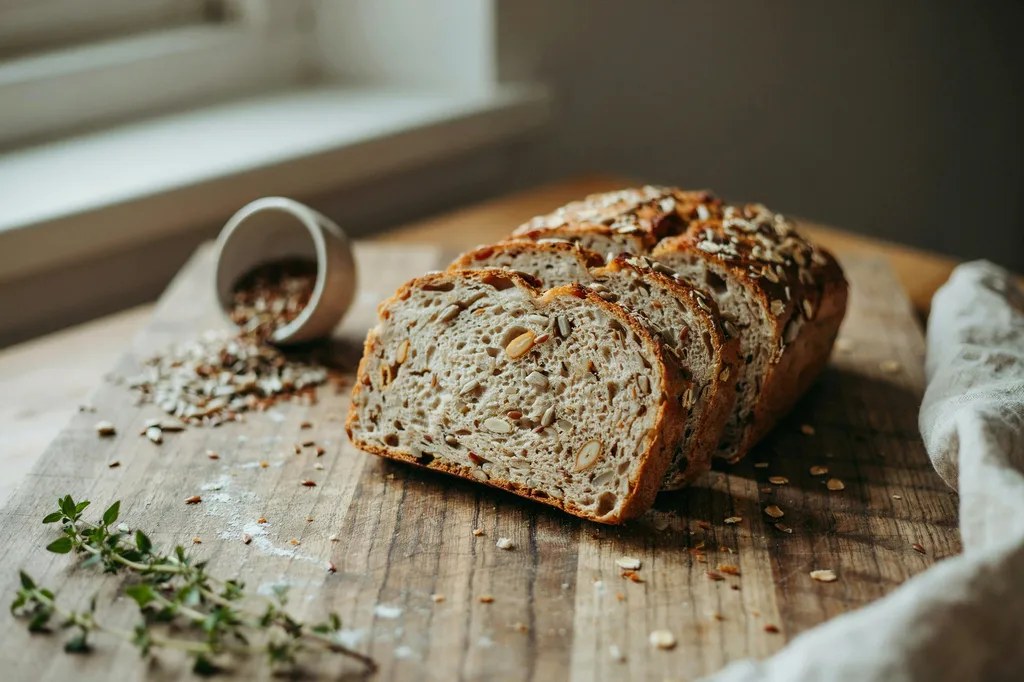
Baking with freshly milled hard white wheat, spelt, and rye flour transforms an everyday recipe into something extraordinary. Within minutes of milling, whole-grain flour is bursting with natural oils and a sweet wheaty aroma — the part that fades first once flour sits — and it still carries the whole berry: bran, germ, and endosperm. Commercial white flour has the bran and germ removed and is stabilized for months of shelf life — fresh milling skips all of that, so you bake with the whole grain and with the aroma still in it. True multigrain bread is more than just a sprinkle of seeds on top — this loaf blends three different freshly milled grains for layered flavor and texture. Hard white wheat provides the strong gluten backbone, spelt adds a buttery sweetness, and rye contributes a deep, earthy aroma. The combination creates a hearty sandwich loaf with the kind of complex flavor you simply cannot buy from a grocery shelf. If you have a home mill, this is the recipe that justifies it. Milling small batches of each grain preserves the volatile oils that give multigrain bread its signature aroma. The dough is slightly more challenging than a single-grain loaf because rye lowers gluten strength, but a long autolyse and a gentle hand during shaping keeps the structure intact.

Fresh-Milled Artisan Hearth Bread
A rustic Dutch-oven loaf made with 100% freshly milled hard red and hard white wheat. Open crumb, crackly crust, leavened with commercial yeast.
Fresh-Milled Sourdough Starter (7-Day Guide)
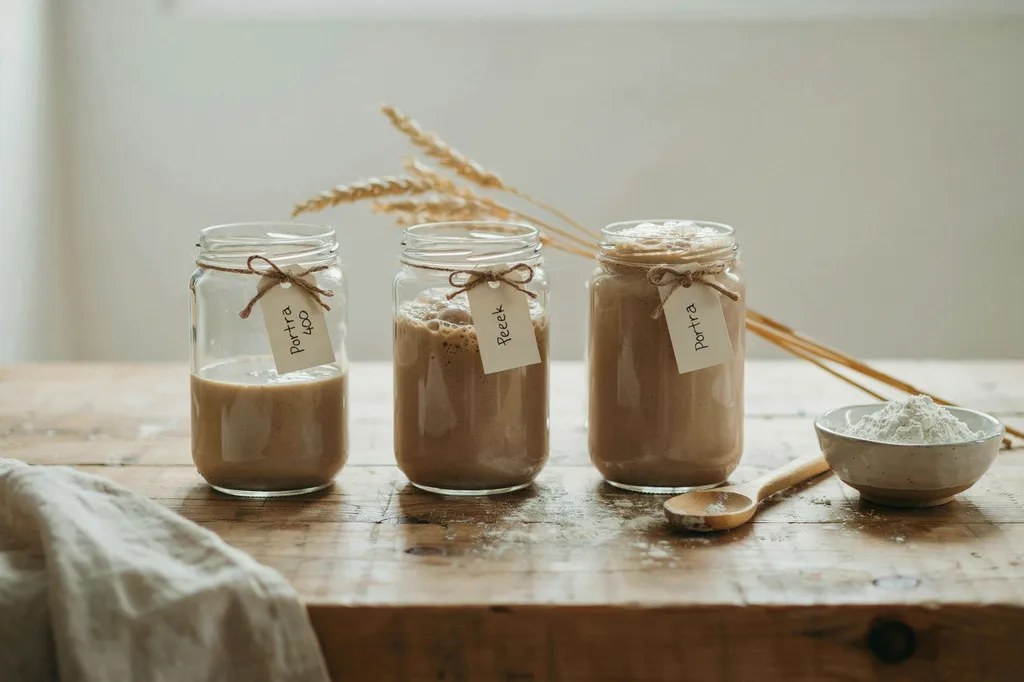
Build a vigorous sourdough starter from scratch using fresh-milled hard red wheat and rye. Wild yeast lives on the bran, so freshly milled flour wakes up faster than commercial flour.
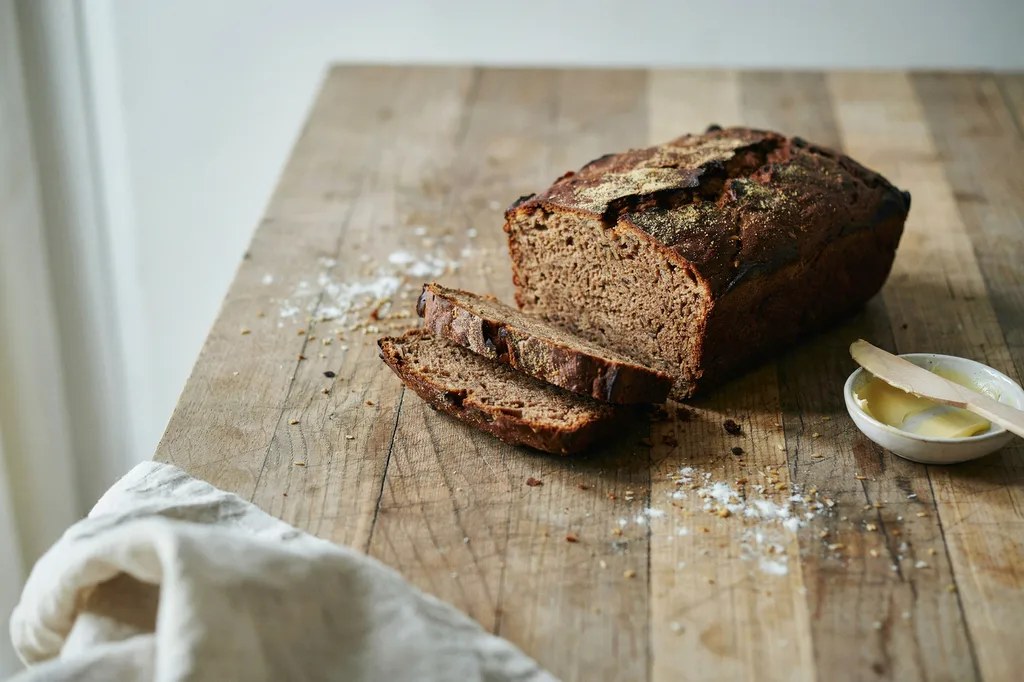
100% Rye Pan Loaf
A dense, moist, deeply flavored 100% fresh-milled rye pan loaf — built on a yogurt-style batter rather than a kneaded dough.
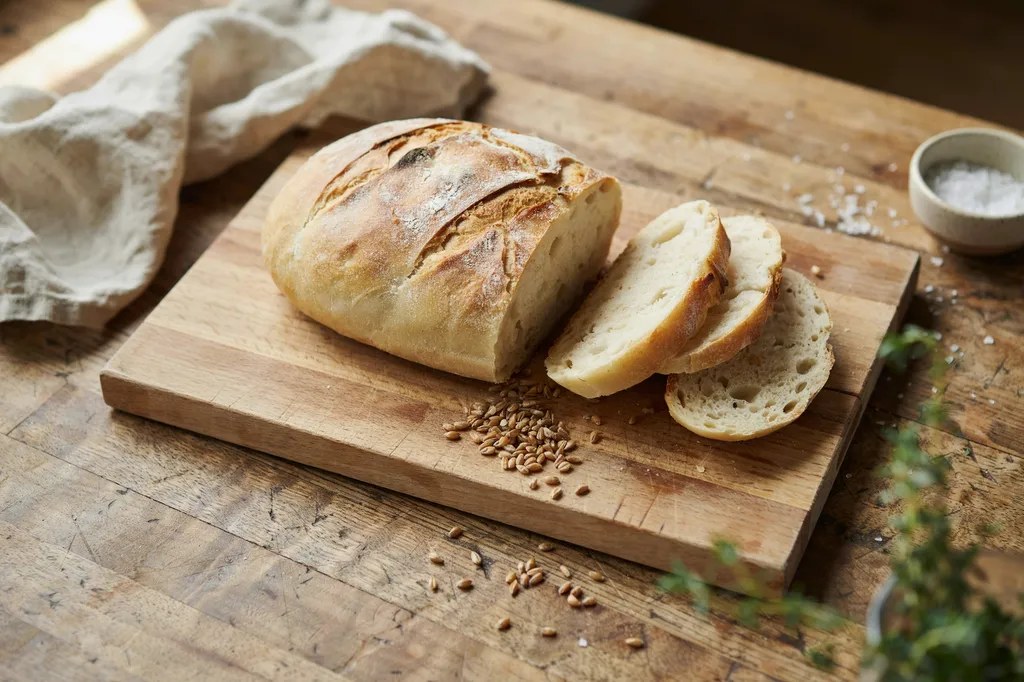
Spelt Sourdough
Spelt sits comfortably between modern wheat and einkorn on the difficulty curve. It has more gluten than einkorn but a softer, more extensible structure than hard wheat — meaning it stretches beautifully but tears if pushed too far. Fresh milled spelt makes for one of the most flavorful sourdough loaves you can bake, with a distinctive nuttiness and a soft, tender crumb. The rules: lower hydration, fewer folds, shorter bulk. Where a hard wheat dough might happily ferment 6 hours, a spelt dough often peaks in 4. Where wheat tolerates 4 sets of vigorous folds, spelt prefers 2 gentle ones. Cold retard is your friend — it firms the soft dough and dramatically improves scoring. Fresh milled spelt is also slightly more enzyme-active than hard wheat. That means more dough relaxation, more extensibility, and a faster ferment. If you have made fresh-milled wheat sourdough before, simply pull every step earlier by 25%. The loaf bakes to a beautiful golden brown with a softer crust than wheat. Crumb is open but not airy — somewhere between rustic country loaf and tender sandwich bread. Excellent for grilled cheese, French toast, and tomato sandwiches.
Related Content
Related Techniques
Cold Retard & Bulk for Fresh-Milled Sourdough
How to time and temperature-manage bulk fermentation and cold retard for fresh-milled sourdough to develop flavor without overproofing.
Fresh Milled Flour Hydration Guide
Hydration is the single variable that fixes more fresh-milled bread problems than any other adjustment. Bagged bread flour is engineered to behave predictably — milled to a uniform fine particle, aged for weeks, and stripped of the thirsty bran and germ. Fresh-milled flour is the opposite: it contains every part of the kernel, and the intact bran soaks up water slowly. The same recipe that produces a slack, sticky white-flour dough produces a dry, tight fresh-milled dough unless you increase the liquid. This guide explains why hydration matters more for fresh flour, how each grain behaves, how to read dough texture by feel, how to convert standard recipes, and how to troubleshoot the most common hydration symptoms.
Bulk Fermentation with Fresh-Milled Flour
Fresh-milled flour ferments faster than commercial flour. Watch the dough, not the clock, and end bulk fermentation when volume has grown 50–75%.
Build & Maintain a Fresh-Milled Sourdough Starter
A step-by-step guide to creating a robust whole-grain sourdough starter from scratch and maintaining it for weekly baking.
How to Shape a Batard and Boule
Boules are round; batards are oval. Both rely on building surface tension by tucking the dough under itself with light, confident movements.
How to Stretch and Fold Dough
Every 30 minutes during bulk ferment, lift one side of the dough, stretch up, and fold over the top. Rotate 90° and repeat.