
Rye Flour Recipes
Discover fresh-milled rye recipes including bread, other, sourdough — every recipe is written for 100% fresh-milled flour and tested with home mills.
About Rye
Rye flour is famous for sourdough, pumpernickel, and Scandinavian breads. Its pentosans absorb huge amounts of water, producing sticky, dense doughs with extraordinary flavor and exceptional keeping.
Milling notes
Rye berries are softer than hard wheat and grind quickly. Mill medium-fine for breads and crackers, fine for sifted "light rye" cake-style applications. Stone mills (Mockmill, KoMo) produce a cooler, more uniform flour; impact mills (NutriMill) run hot — fluff and rest the flour before using. Whole-berry rye yields what most bakers call "dark rye"; sifting through a #40 or #50 mesh produces medium rye, and double-sifting yields light/white rye.
Hydration & baking
Rye absorbs more water than wheat per gram but holds it differently because of its pentosans. Doughs feel sticky and paste-like even when properly hydrated — that is normal. Start at 70–80% hydration for 100% rye pan loaves, 80–90% for sourdough, and add 5–10% extra water to any wheat recipe when substituting in 20–30% rye. Always let the dough rest 20–30 minutes before judging hydration; rye keeps absorbing water for hours.
Flavor profile
tangy, earthy, malty, peppery, nutty
Best uses
sandwich bread, artisan sourdough, crispbread and crackers, pumpernickel and dark loaves, blended wheat-rye breads, starter feed for sourdough
Popular Rye Recipes
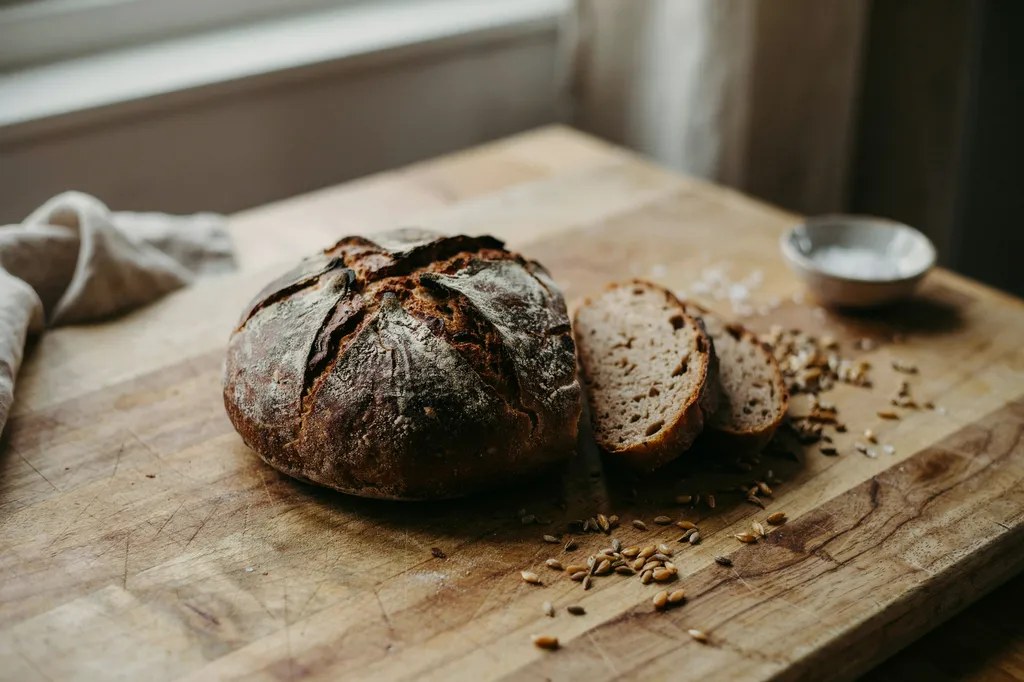
Rye Sourdough
Rye is not wheat. It does not develop gluten the same way, it absorbs vastly more water, and it is colonized by enzymes (pentosans) that completely change how you handle it. Forget every shaping and folding technique you have learned. A 100% rye loaf is mixed like batter, scraped into a pan, proofed once, and baked low and long. This recipe uses freshly milled whole rye berries for maximum flavor and a fresh enzyme load that helps the dough rise. Hydration sits at 80% — anything less and the dough will be unworkable. Even at 80% it will feel like wet clay; that is correct. Fresh milled rye sourdough is a different bread tradition entirely. It is dense by design. It slices thin, keeps for a week, and is meant to be eaten with butter, smoked fish, hard cheese, or pickles. Do not try to make it open and airy — that is wheat thinking. The starter matters more than for any other bread. A vigorous, freshly fed 100% rye starter at peak is the difference between a beautifully risen loaf and a brick. If your starter is wheat-based, feed it twice with rye flour over 24 hours before mixing the dough.
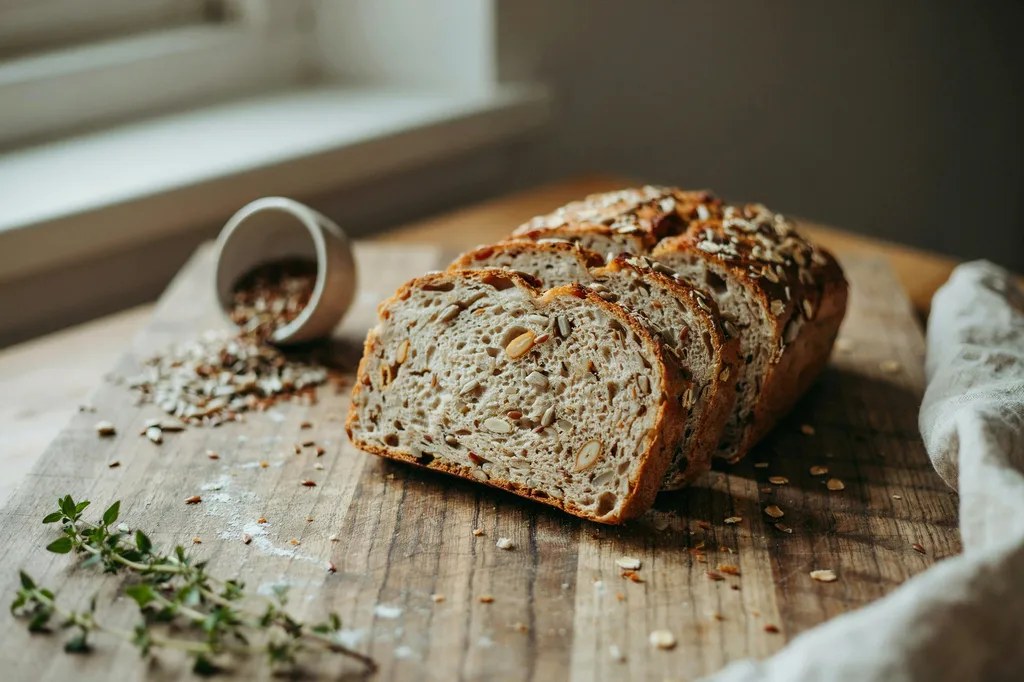
Fresh-Milled Multigrain Bread
Baking with freshly milled hard white wheat, spelt, and rye flour transforms an everyday recipe into something extraordinary. Within minutes of milling, whole-grain flour is bursting with natural oils and a sweet wheaty aroma — the part that fades first once flour sits — and it still carries the whole berry: bran, germ, and endosperm. Commercial white flour has the bran and germ removed and is stabilized for months of shelf life — fresh milling skips all of that, so you bake with the whole grain and with the aroma still in it. True multigrain bread is more than just a sprinkle of seeds on top — this loaf blends three different freshly milled grains for layered flavor and texture. Hard white wheat provides the strong gluten backbone, spelt adds a buttery sweetness, and rye contributes a deep, earthy aroma. The combination creates a hearty sandwich loaf with the kind of complex flavor you simply cannot buy from a grocery shelf. If you have a home mill, this is the recipe that justifies it. Milling small batches of each grain preserves the volatile oils that give multigrain bread its signature aroma. The dough is slightly more challenging than a single-grain loaf because rye lowers gluten strength, but a long autolyse and a gentle hand during shaping keeps the structure intact.
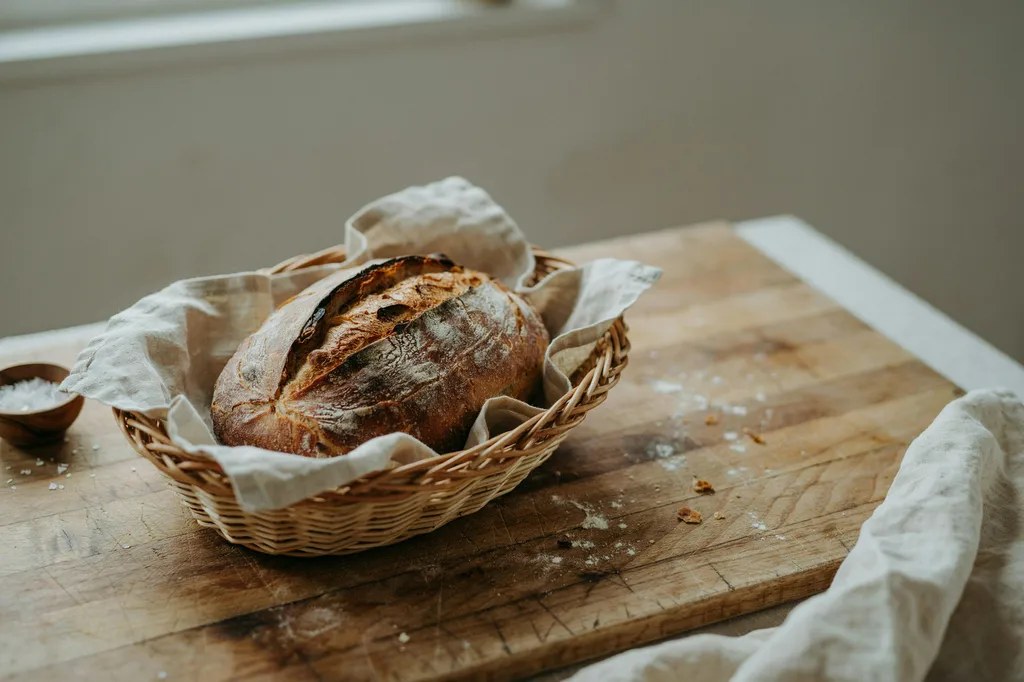
Fresh-Milled Artisan Hearth Bread
A rustic Dutch-oven loaf made with 100% freshly milled hard red and hard white wheat. Open crumb, crackly crust, leavened with commercial yeast.
All Rye Recipes
Rye Sourdough
Rye is not wheat. It does not develop gluten the same way, it absorbs vastly more water, and it is colonized by enzymes (pentosans) that completely change how you handle it. Forget every shaping and folding technique you have learned. A 100% rye loaf is mixed like batter, scraped into a pan, proofed once, and baked low and long. This recipe uses freshly milled whole rye berries for maximum flavor and a fresh enzyme load that helps the dough rise. Hydration sits at 80% — anything less and the dough will be unworkable. Even at 80% it will feel like wet clay; that is correct. Fresh milled rye sourdough is a different bread tradition entirely. It is dense by design. It slices thin, keeps for a week, and is meant to be eaten with butter, smoked fish, hard cheese, or pickles. Do not try to make it open and airy — that is wheat thinking. The starter matters more than for any other bread. A vigorous, freshly fed 100% rye starter at peak is the difference between a beautifully risen loaf and a brick. If your starter is wheat-based, feed it twice with rye flour over 24 hours before mixing the dough.
Fresh-Milled Multigrain Bread
Baking with freshly milled hard white wheat, spelt, and rye flour transforms an everyday recipe into something extraordinary. Within minutes of milling, whole-grain flour is bursting with natural oils and a sweet wheaty aroma — the part that fades first once flour sits — and it still carries the whole berry: bran, germ, and endosperm. Commercial white flour has the bran and germ removed and is stabilized for months of shelf life — fresh milling skips all of that, so you bake with the whole grain and with the aroma still in it. True multigrain bread is more than just a sprinkle of seeds on top — this loaf blends three different freshly milled grains for layered flavor and texture. Hard white wheat provides the strong gluten backbone, spelt adds a buttery sweetness, and rye contributes a deep, earthy aroma. The combination creates a hearty sandwich loaf with the kind of complex flavor you simply cannot buy from a grocery shelf. If you have a home mill, this is the recipe that justifies it. Milling small batches of each grain preserves the volatile oils that give multigrain bread its signature aroma. The dough is slightly more challenging than a single-grain loaf because rye lowers gluten strength, but a long autolyse and a gentle hand during shaping keeps the structure intact.
Fresh-Milled Artisan Hearth Bread
A rustic Dutch-oven loaf made with 100% freshly milled hard red and hard white wheat. Open crumb, crackly crust, leavened with commercial yeast.
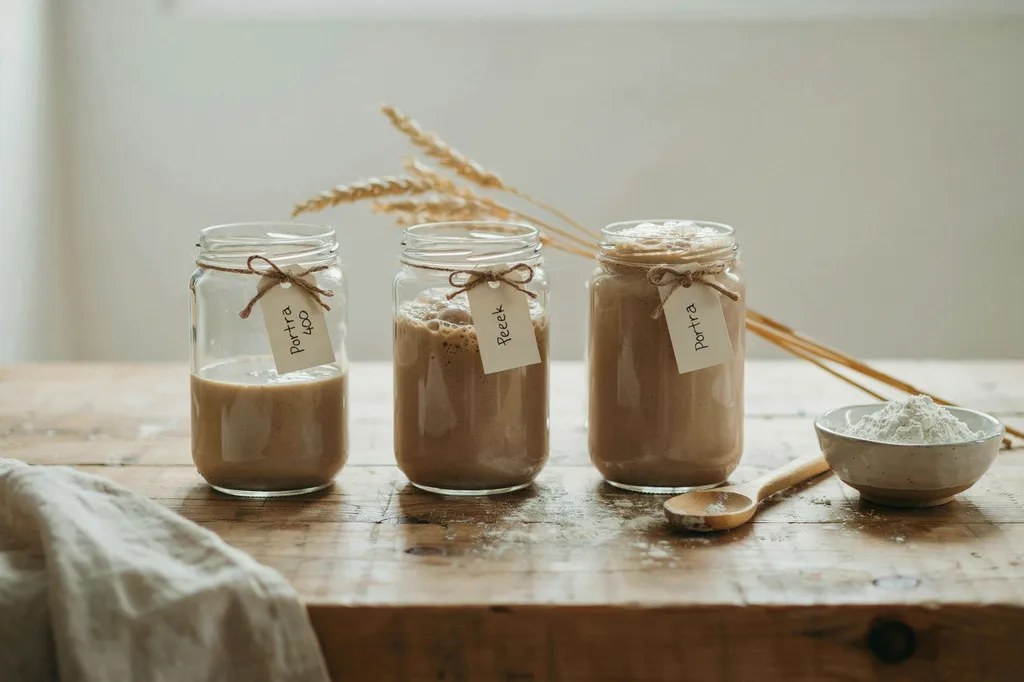
Fresh-Milled Sourdough Starter (7-Day Guide)
Build a vigorous sourdough starter from scratch using fresh-milled hard red wheat and rye. Wild yeast lives on the bran, so freshly milled flour wakes up faster than commercial flour.
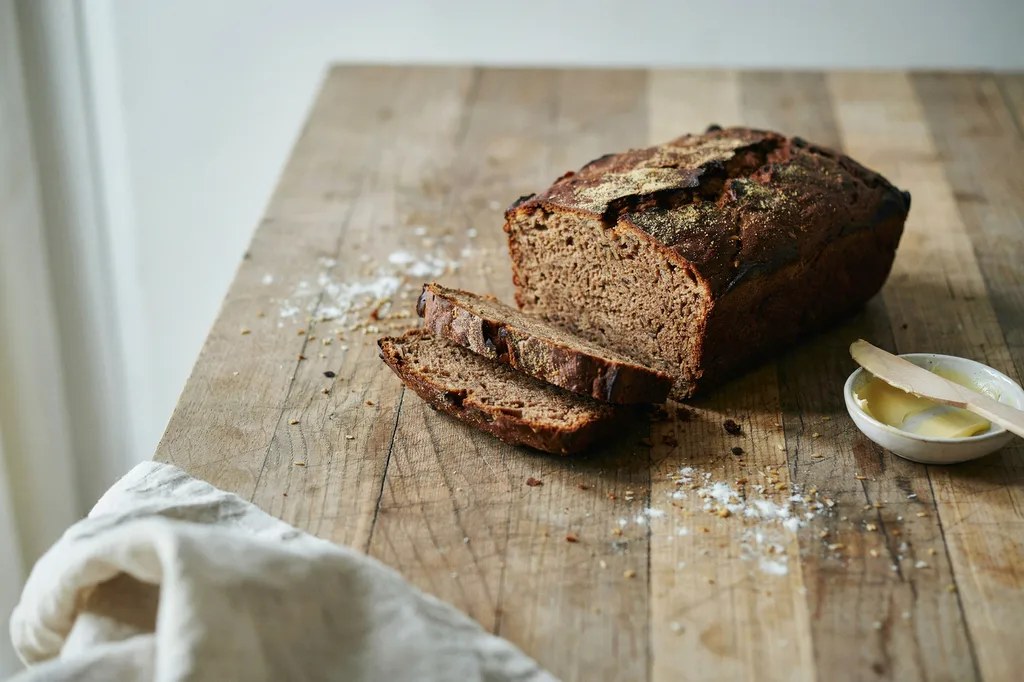
100% Rye Pan Loaf
A dense, moist, deeply flavored 100% fresh-milled rye pan loaf — built on a yogurt-style batter rather than a kneaded dough.
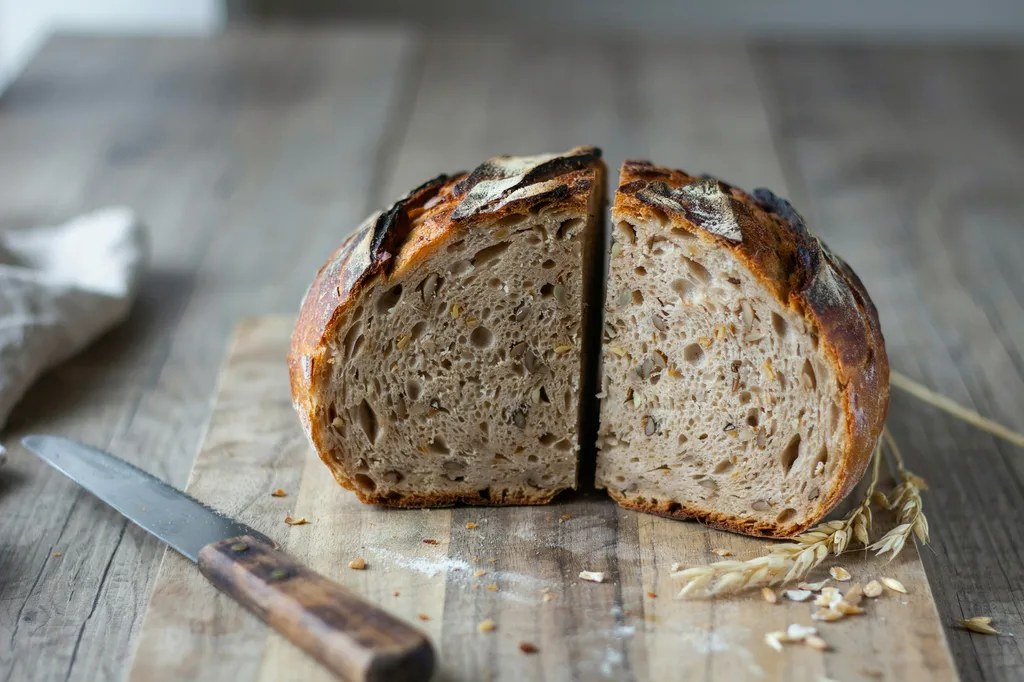
100% Whole Wheat Sourdough
A deeply flavored sourdough loaf made entirely from fresh milled hard red wheat.
Learn more about Rye
Grain hub →Baking With Fresh Milled Rye Flour
Why fresh-milled rye behaves nothing like wheat, and the handful of rules — wet hands, gentle mixing, sourdough leavening, pan baking, long cooling — that make it work.
How To Store Rye Berries for Fresh Milling
Whole rye berries last years; rye flour is at its peak the day you mill it. Here's how to store both so you always have great-tasting flour on baking day.
Common Rye Baking Mistakes and How To Avoid Them
Every dense, gummy, or collapsed rye loaf comes from one of a short list of mistakes. Here's what they are, why they happen, and how to fix them.
Rye Flour vs Wheat Flour
Rye and wheat look similar in the bag but behave like different ingredients. Here's how they compare across flavor, gluten, hydration, baking, and milling.