
100% Rye Pan Loaf
Prep
20 min
Bake
70 min
Total time
1 hr 30 min
Hydration
90%
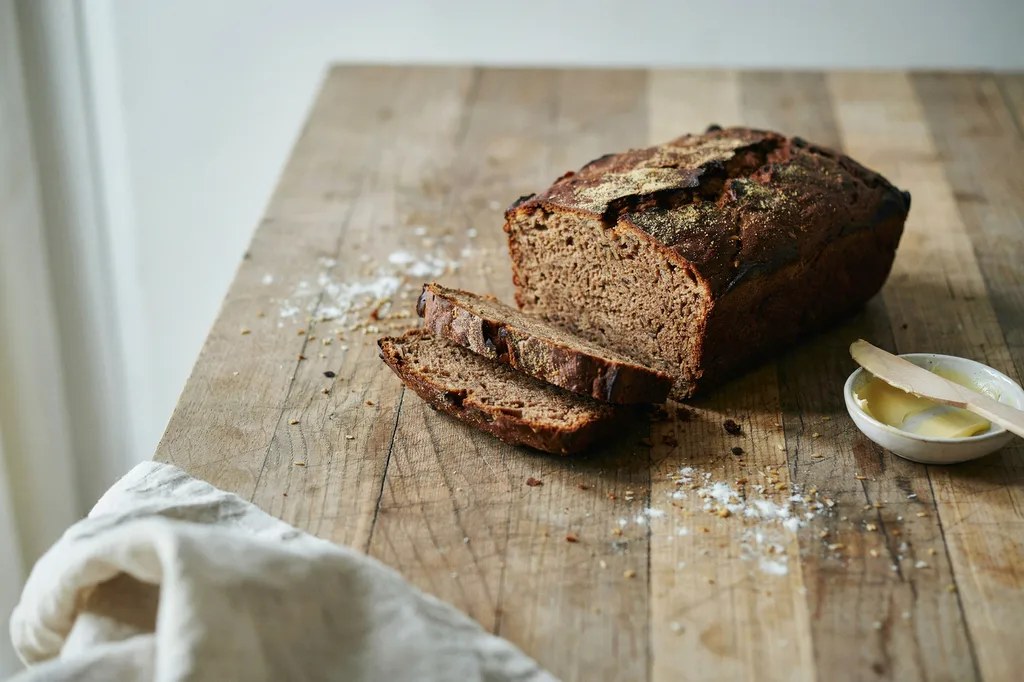
A 100% fresh-milled rye loaf is mixed like batter at 100% hydration, fermented in the pan for 3–5 hours, and rested 24 hours after baking to set the crumb.
Key Takeaways
- Rye has almost no gluten — do not try to knead it.
- 100% hydration is correct; the batter should pour, not hold a shape.
- A rye-fed starter performs best, but a wheat starter works in a pinch.
- Always rest 24 hours after baking — slicing warm rye gives a gummy crumb.
About this recipe
A dense, moist, deeply flavored 100% fresh-milled rye pan loaf — built on a yogurt-style batter rather than a kneaded dough.
Ingredients
- Fresh-milled whole rye flour450 g
- Fresh-milled hard red wheat flour50 g
- Water (95°F)450 g
- Active rye starter (100% hydration)125 g
- Fine sea salt11 g
- Caraway seeds (optional)6 g
- Molasses20 g
Instructions
- 1
Mill 450 g rye and 50 g hard red on the finest setting. Cool to room temperature.
- 2
Combine all ingredients in a large bowl. Stir vigorously 2 minutes — the mixture will look like thick batter, not dough. That is correct.
- 3
Scrape into a well-greased 9×5 loaf pan. Wet a spatula and smooth the top.
- 4
Cover loosely. Ferment 3.5–5 hours at 78°F until the surface shows tiny cracks and the batter has risen 50%.
- 5
Bake at 425°F for 20 minutes, then reduce to 375°F and bake 45–55 minutes more. Internal temp 208°F.
- 6
Turn out immediately. Wrap in a clean towel and rest 24 hours before slicing — rye continues to set as it cools.
how to start milling flour at home — hydration, gluten development, and grain choice tips that make this recipe work.
Learn about this grain: Rye guide — flavor, milling notes, baking tips, and four in-depth guides on hydration, storage, and common mistakes. Or browse more Rye recipes.
Learn a technique
All guides →- How to Store Wheat BerriesKeep berries in an airtight food-grade container in a cool, dark place for 1–5 years. Decades of shelf life requires Mylar with oxygen absorbers under 70°F. Mill what you will use at peak.
- How to Increase Hydration SuccessfullyRaise water in 5% increments, autolyse longer, and lean on stretch and folds instead of kneading.
Related recipes
Browse all recipes →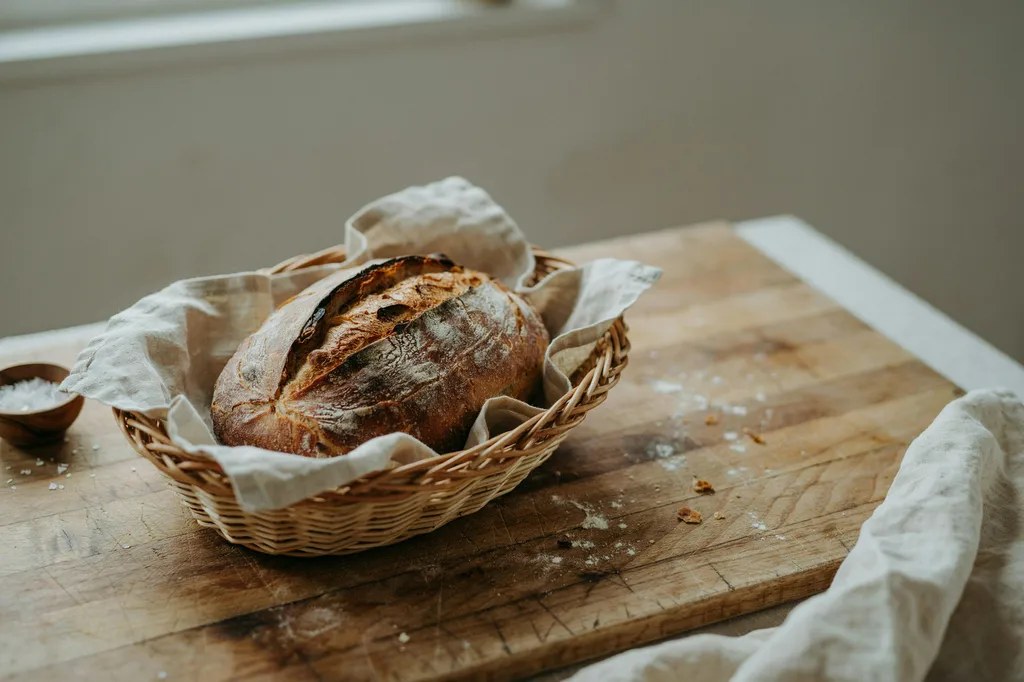
Fresh-Milled Artisan Hearth Bread
A rustic Dutch-oven loaf made with 100% freshly milled hard red and hard white wheat. Open crumb, crackly crust, leavened with commercial yeast.
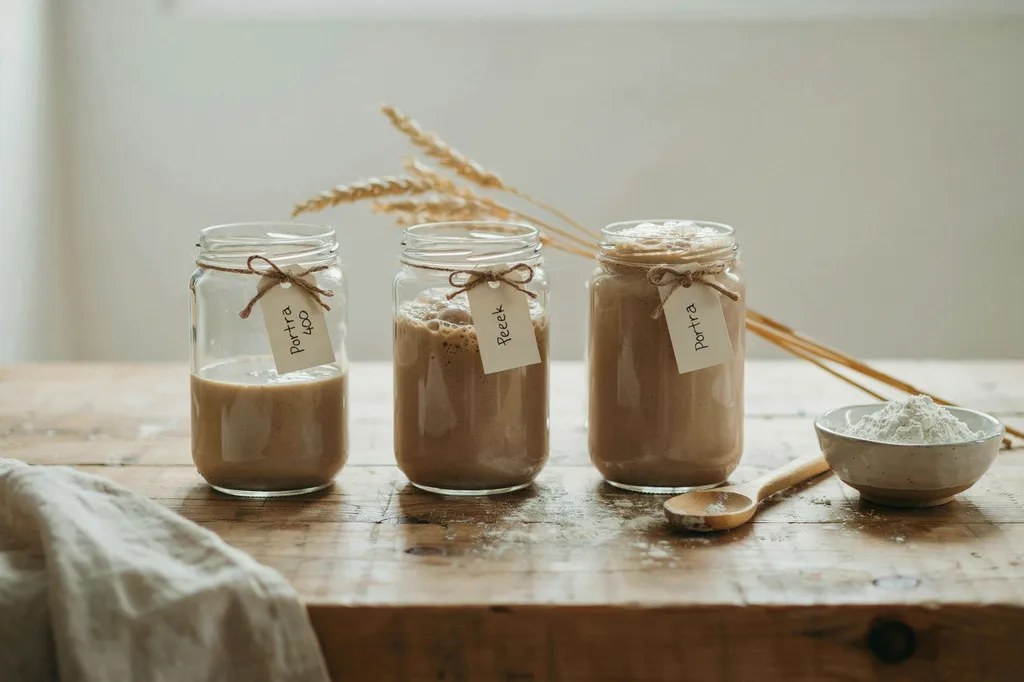
Fresh-Milled Sourdough Starter (7-Day Guide)
Build a vigorous sourdough starter from scratch using fresh-milled hard red wheat and rye. Wild yeast lives on the bran, so freshly milled flour wakes up faster than commercial flour.
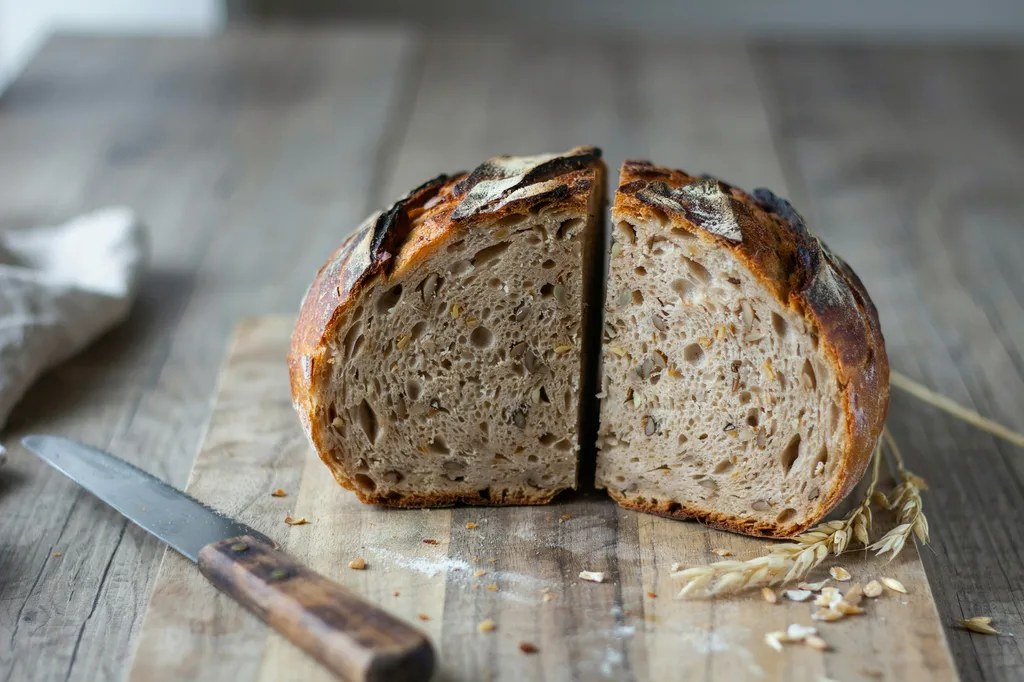
100% Whole Wheat Sourdough
A deeply flavored sourdough loaf made entirely from fresh milled hard red wheat.
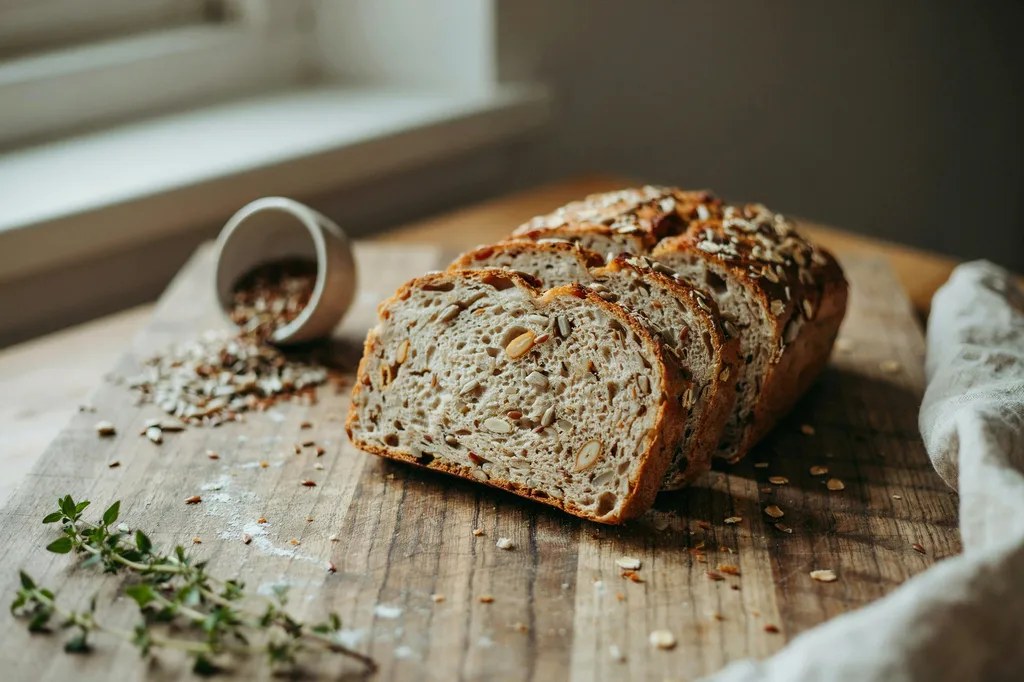
Fresh-Milled Multigrain Bread
Baking with freshly milled hard white wheat, spelt, and rye flour transforms an everyday recipe into something extraordinary. Within minutes of milling, whole-grain flour is bursting with natural oils and a sweet wheaty aroma — the part that fades first once flour sits — and it still carries the whole berry: bran, germ, and endosperm. Commercial white flour has the bran and germ removed and is stabilized for months of shelf life — fresh milling skips all of that, so you bake with the whole grain and with the aroma still in it. True multigrain bread is more than just a sprinkle of seeds on top — this loaf blends three different freshly milled grains for layered flavor and texture. Hard white wheat provides the strong gluten backbone, spelt adds a buttery sweetness, and rye contributes a deep, earthy aroma. The combination creates a hearty sandwich loaf with the kind of complex flavor you simply cannot buy from a grocery shelf. If you have a home mill, this is the recipe that justifies it. Milling small batches of each grain preserves the volatile oils that give multigrain bread its signature aroma. The dough is slightly more challenging than a single-grain loaf because rye lowers gluten strength, but a long autolyse and a gentle hand during shaping keeps the structure intact.
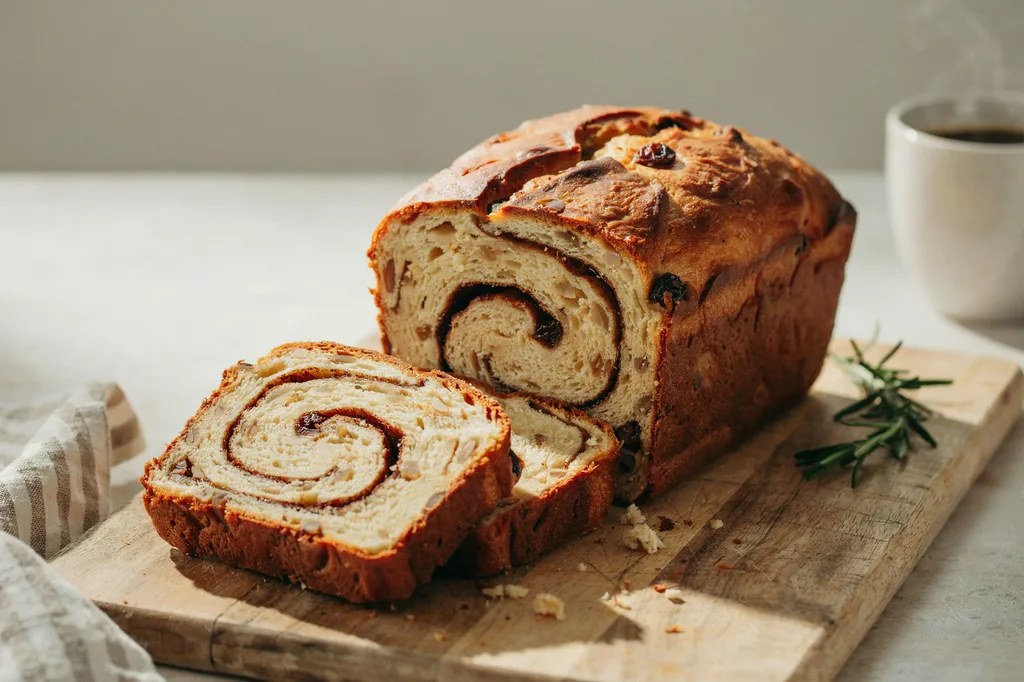
Fresh Milled Cinnamon Swirl Bread
Soft sandwich loaf with a bold cinnamon-sugar swirl, made with 100% fresh milled flour. Yield 1 (9x5) loaf. Prep 30 min, proof 2 hours, bake 40 min.
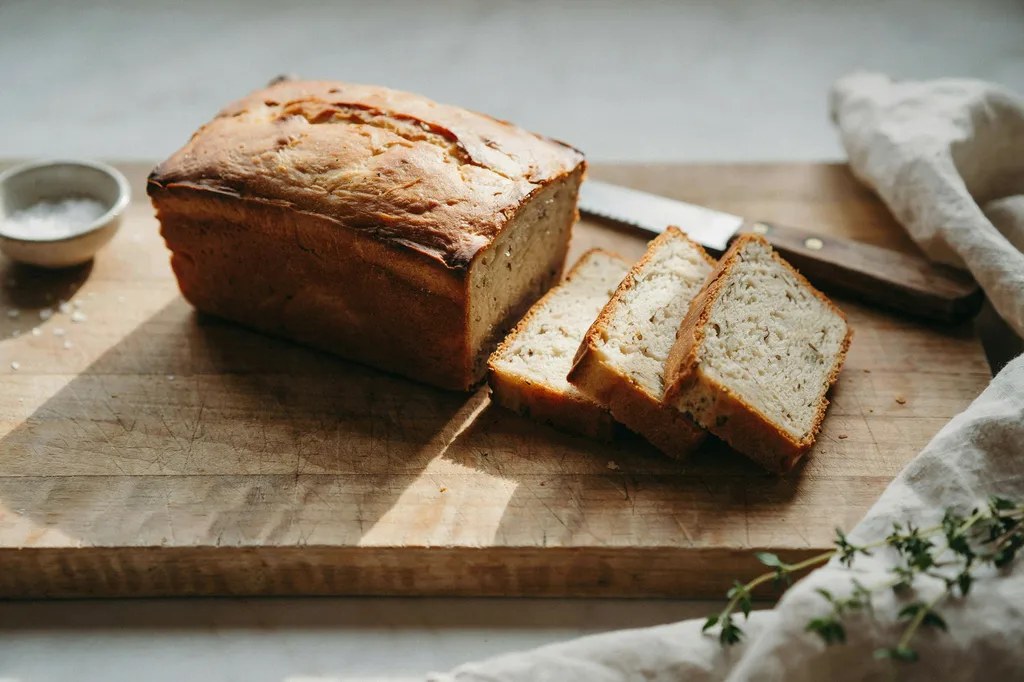
Fresh Milled Pullman Bread
Square-sided Pullman loaf with a fine, even crumb and tight crust — made with 100% fresh milled flour for the ultimate sandwich bread. Yield 1 (13-inch) Pullman loaf. Prep 25 min, proof 2 hours, bake 38 min.
Related Content
Recommended Grains
Related Techniques
How to Store Wheat Berries
Keep berries in an airtight food-grade container in a cool, dark place for 1–5 years. Decades of shelf life requires Mylar with oxygen absorbers under 70°F. Mill what you will use at peak.
How to Increase Hydration Successfully
Raise water in 5% increments, autolyse longer, and lean on stretch and folds instead of kneading.
Related Troubleshooting
Why is the crumb of my bread gummy?
Cut crumb feels sticky or doughy in the center.
Why is my fresh milled bread dense?
Loaves baked with fresh milled flour come out heavy, tight, and barely risen instead of light and airy.
Why is my fresh milled dough too sticky?
Fresh milled dough sticks to hands, bench, and bannetons and never feels manageable.
Related Comparisons
Related Conversions
Store Whole Wheat to Fresh Milled Flour
Store-bought whole wheat is often months old and has lost volatile flavor compounds. Fresh milled tastes brighter and rises better with the same recipe.
Bread Flour to Hard Red Wheat (Fresh-Milled)
Swap 1:1 by weight and add 7–10% more water. Always autolyse 30–60 minutes — bran needs time to soften before gluten can fully develop. Plan for 3–4 stretch-and-folds during bulk. Fermentation is 15–25% faster than with bread flour. Expect a slightly less open crumb than a white bread-flour loaf, especially at the same hydration.