
100% Whole Wheat Sourdough
Prep
40 min
Bake
45 min
Total time
1 hr 25 min
Hydration
82%
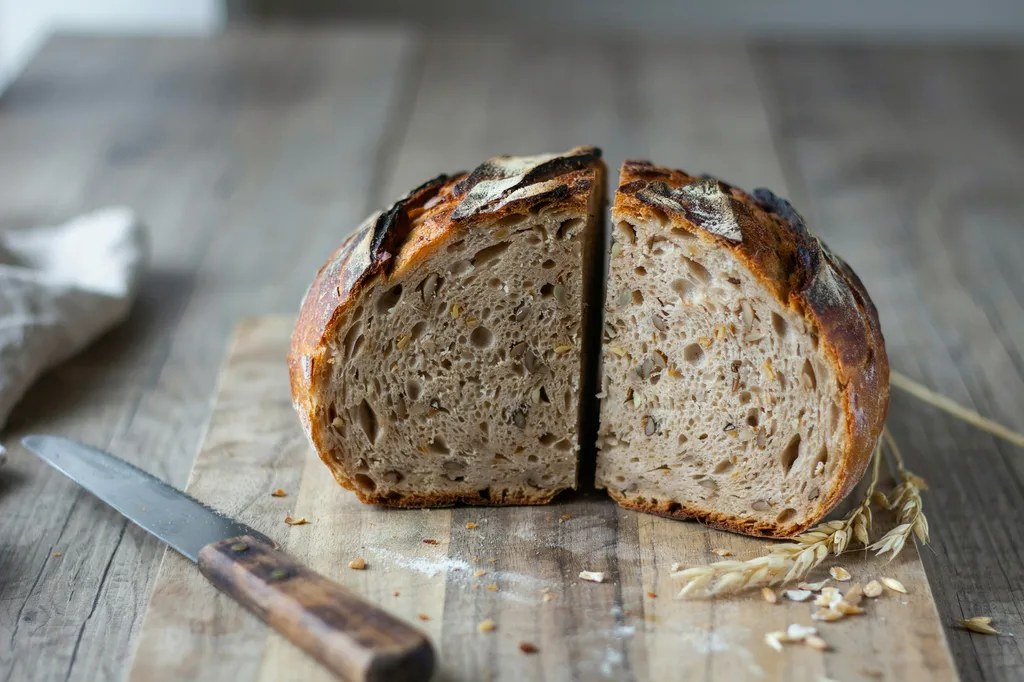
100% whole wheat sourdough requires higher hydration (~82%), a long autolyse, and gentle handling to develop an open crumb and tangy flavor.
Key Takeaways
- Autolyse for at least 1 hour
- Push hydration to 80%+
- Cold retard for deeper flavor
About this recipe
A deeply flavored sourdough loaf made entirely from fresh milled hard red wheat.
Ingredients
- hard red wheat flour, freshly milled500g
- water410g
- active sourdough starter100g
- salt11g
Instructions
- 1
Mix flour and water; autolyse 1 hour.
- 2
Add starter and salt; mix well.
- 3
Bulk ferment 5–6 hours with 4 sets of stretch-and-folds.
- 4
Shape and cold retard overnight.
- 5
Bake in a Dutch oven at 500°F for 20 minutes covered, 25 minutes uncovered.
fresh milled baking basics — hydration, gluten development, and grain choice tips that make this recipe work.
Learn about this grain: Rye guide — flavor, milling notes, baking tips, and four in-depth guides on hydration, storage, and common mistakes. Or browse more Rye recipes.
Learn a technique
All guides →- How to Autolyse Fresh Milled FlourCombine flour and water and let it rest before adding yeast and salt. Bran softens, gluten develops passively, and the final dough is dramatically easier to handle.
- How to Increase Hydration SuccessfullyRaise water in 5% increments, autolyse longer, and lean on stretch and folds instead of kneading.
- How to Stretch and Fold DoughEvery 30 minutes during bulk ferment, lift one side of the dough, stretch up, and fold over the top. Rotate 90° and repeat.
Related recipes
Browse all recipes →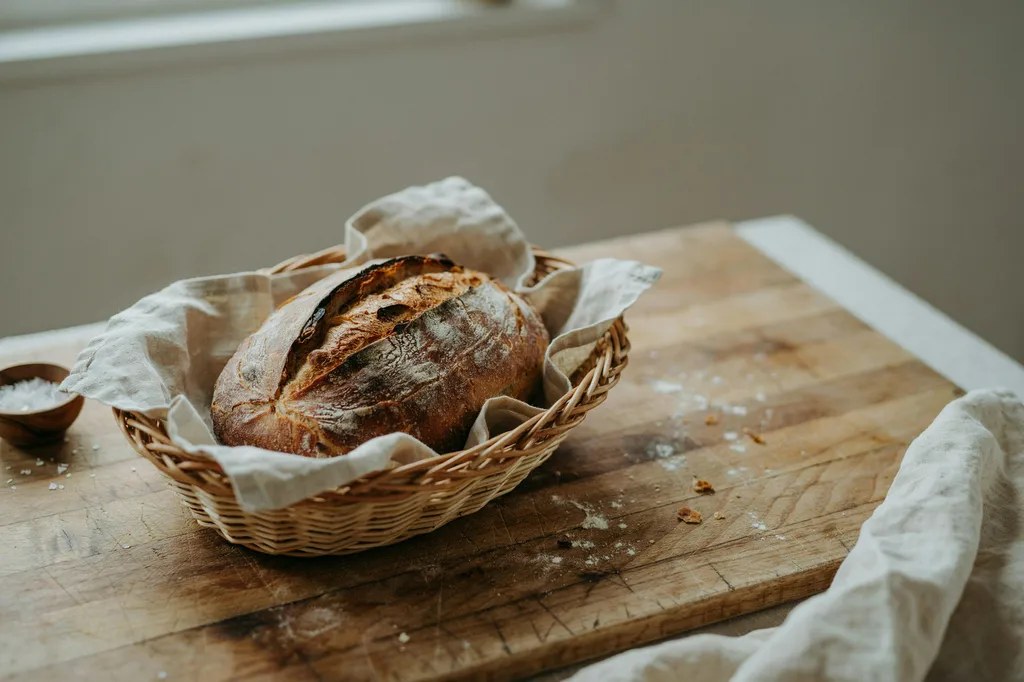
Fresh-Milled Artisan Hearth Bread
A rustic Dutch-oven loaf made with 100% freshly milled hard red and hard white wheat. Open crumb, crackly crust, leavened with commercial yeast.
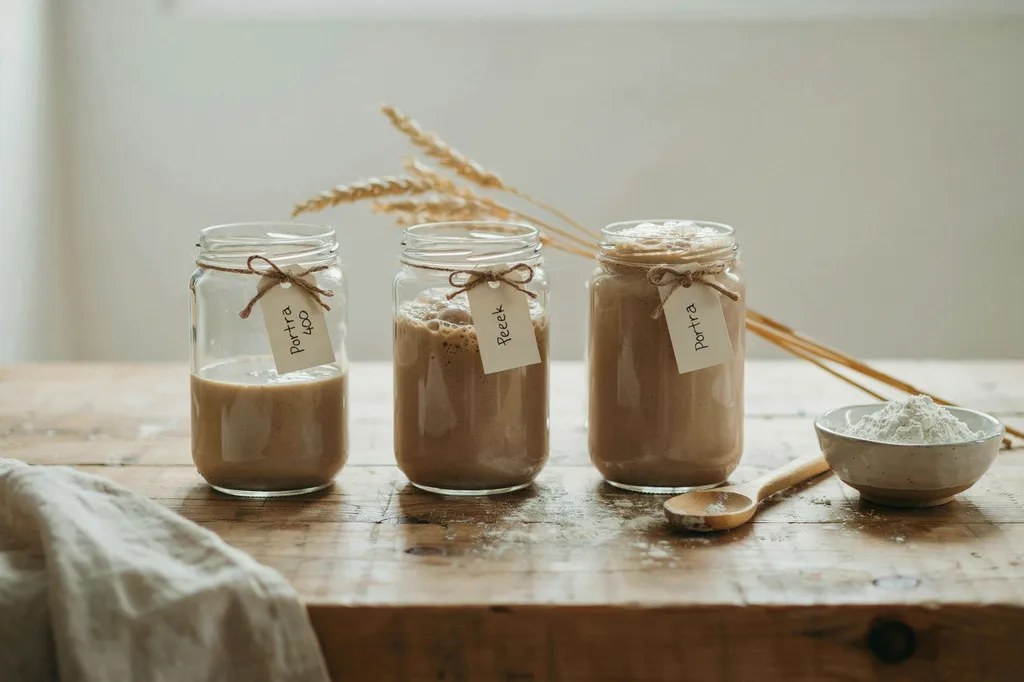
Fresh-Milled Sourdough Starter (7-Day Guide)
Build a vigorous sourdough starter from scratch using fresh-milled hard red wheat and rye. Wild yeast lives on the bran, so freshly milled flour wakes up faster than commercial flour.
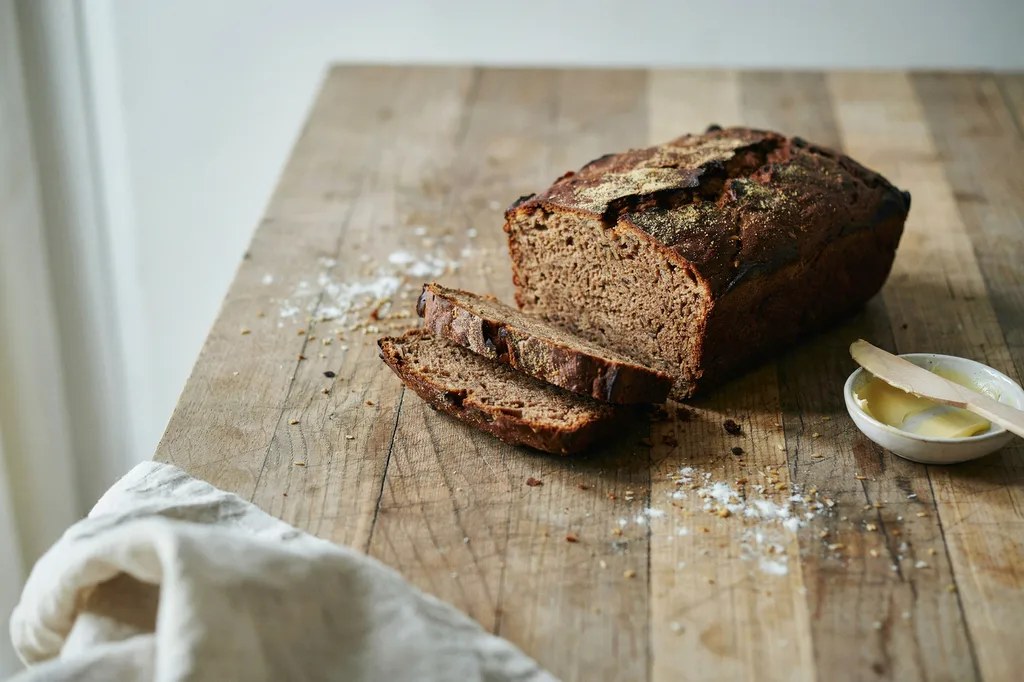
100% Rye Pan Loaf
A dense, moist, deeply flavored 100% fresh-milled rye pan loaf — built on a yogurt-style batter rather than a kneaded dough.
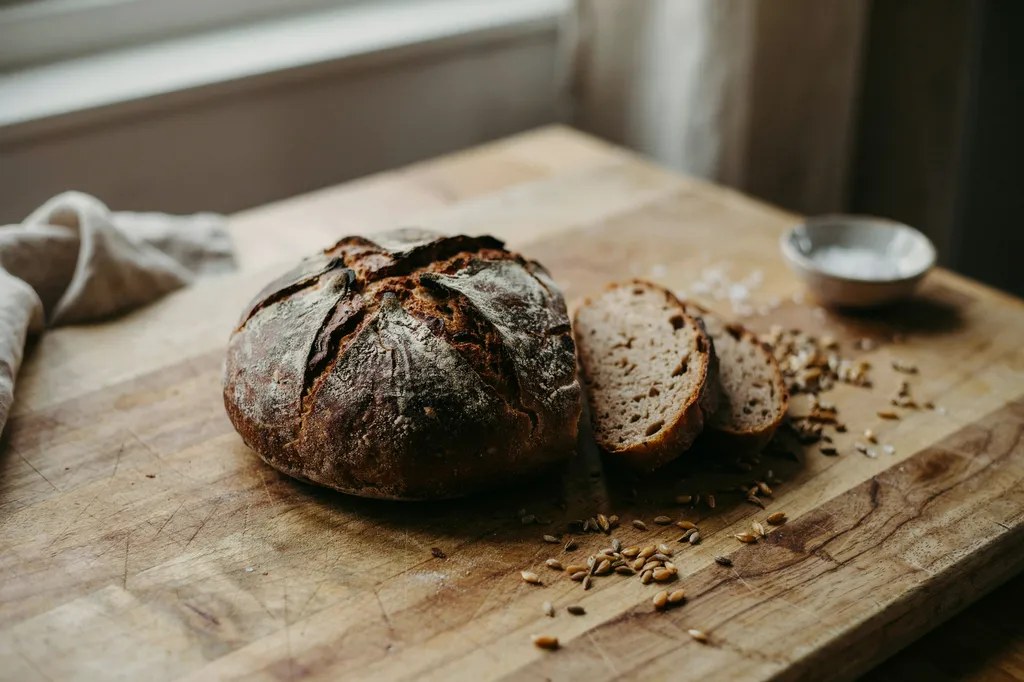
Rye Sourdough
Rye is not wheat. It does not develop gluten the same way, it absorbs vastly more water, and it is colonized by enzymes (pentosans) that completely change how you handle it. Forget every shaping and folding technique you have learned. A 100% rye loaf is mixed like batter, scraped into a pan, proofed once, and baked low and long. This recipe uses freshly milled whole rye berries for maximum flavor and a fresh enzyme load that helps the dough rise. Hydration sits at 80% — anything less and the dough will be unworkable. Even at 80% it will feel like wet clay; that is correct. Fresh milled rye sourdough is a different bread tradition entirely. It is dense by design. It slices thin, keeps for a week, and is meant to be eaten with butter, smoked fish, hard cheese, or pickles. Do not try to make it open and airy — that is wheat thinking. The starter matters more than for any other bread. A vigorous, freshly fed 100% rye starter at peak is the difference between a beautifully risen loaf and a brick. If your starter is wheat-based, feed it twice with rye flour over 24 hours before mixing the dough.
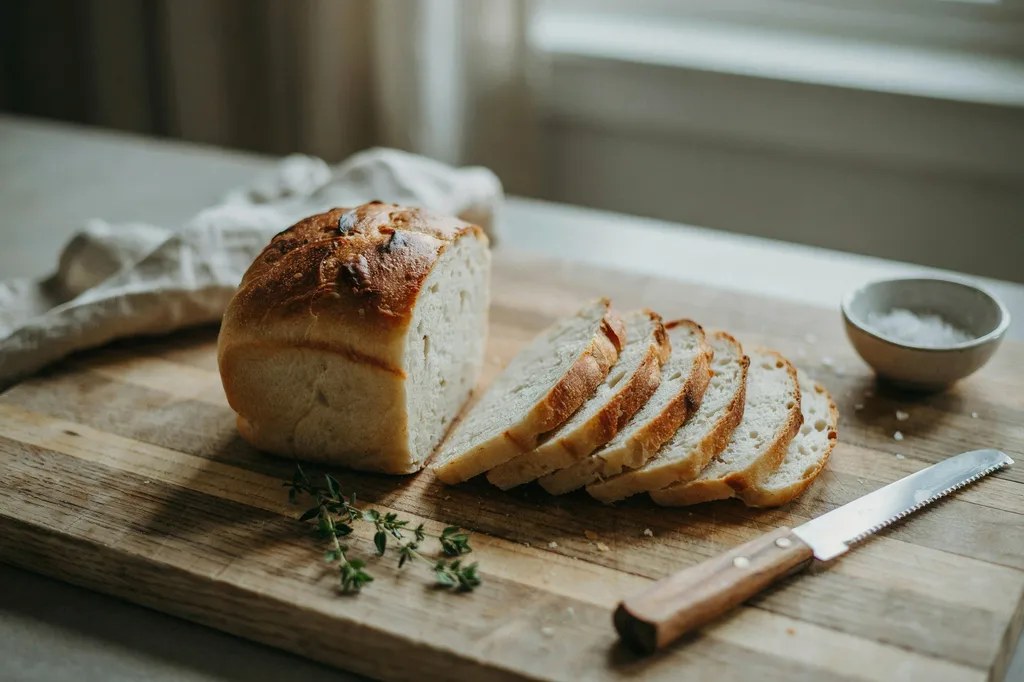
Fresh-Milled Sourdough Sandwich Bread
A soft, sliceable sourdough sandwich loaf made with 100% freshly milled hard white wheat — perfect for toast, lunchboxes, and grilled cheese.
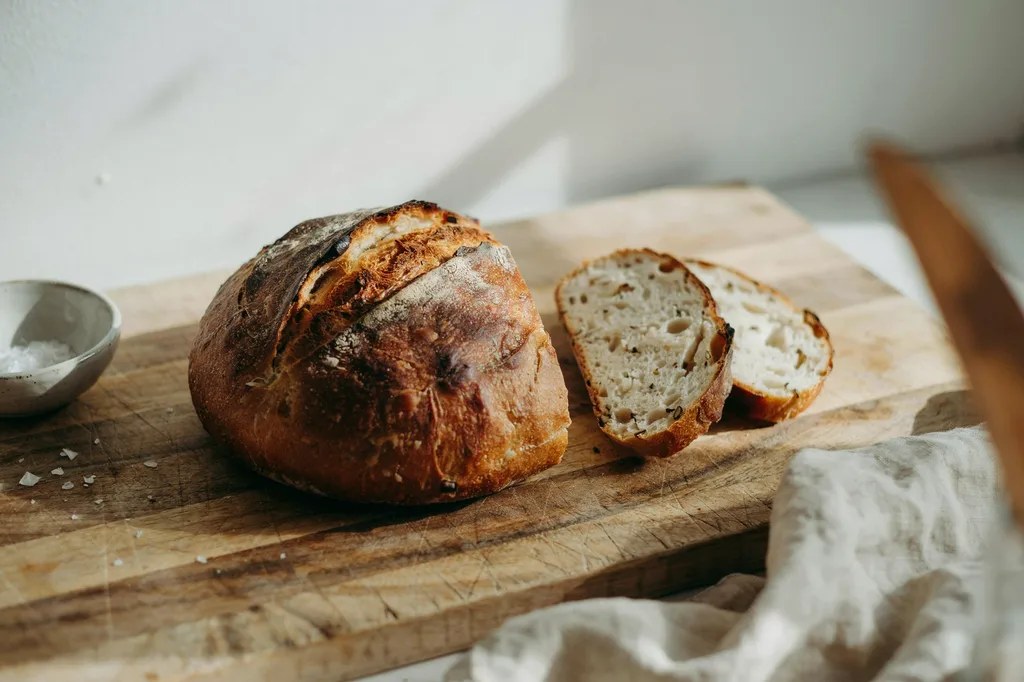
Fresh-Milled Sourdough Boule
A high-hydration, 100% fresh-milled sourdough boule with an open crumb, deep flavor, and a crackly crust — built around an autolyse and four sets of stretch-and-folds.
Related Content
Recommended Grains
Related Techniques
How to Autolyse Fresh Milled Flour
Combine flour and water and let it rest before adding yeast and salt. Bran softens, gluten develops passively, and the final dough is dramatically easier to handle.
How to Increase Hydration Successfully
Raise water in 5% increments, autolyse longer, and lean on stretch and folds instead of kneading.
How to Stretch and Fold Dough
Every 30 minutes during bulk ferment, lift one side of the dough, stretch up, and fold over the top. Rotate 90° and repeat.
Related Troubleshooting
Why is my crumb too open and holey?
Bread shows large, uneven holes instead of a balanced, even crumb structure.
Why is the crumb of my bread gummy?
Cut crumb feels sticky or doughy in the center.
How much water do I add to fresh milled flour?
Bakers new to fresh milled flour struggle to translate commercial-flour hydration to whole-grain dough.
How do I know if my dough is under-proofed?
Dough goes into the oven before fermentation has built enough gas and gluten extensibility, producing a dense, tight loaf.
Why isn't my sourdough sour enough?
Sourdough bakes well but lacks the tangy sour flavor expected from naturally leavened bread.
Why is my fresh milled dough rising so slowly?
Fresh milled dough rises but takes far longer than expected to show visible volume change.
Why is my sourdough starter not doubling?
A sourdough starter feeds normally but fails to reliably double in volume between feedings.
Why is my sourdough starter weak?
A starter that rises slowly, barely doubles, or fails to leaven bread reliably.
Why is my loaf gummy inside?
The crust looks done but the inside of the loaf is sticky, paste-like, or wet to the touch.
Why won't my dough rise?
After hours of bulk fermentation the dough looks the same as when it was mixed.
Why am I getting poor or no oven spring?
A loaf that doesn't expand significantly when it hits the oven, staying flat or barely rising.
Why is my sourdough too sour?
The finished loaf has a sharp, vinegary, or unpleasantly tangy flavor that overwhelms the bread.
Related Comparisons
Related Conversions
Bread Flour to Fresh Milled Flour
Bread flour is refined, high-protein endosperm. To replace it you need a grain with comparable protein, which means hard red wheat at 13–14%. The swap is 1:1 by weight; add 7–10% more water and autolyse 30–60 minutes so the bran softens before you build strength. Fermentation runs 10–25% faster, not slower — check the dough early rather than extending bulk. Bread Flour to Hard Red Wheat carries the detailed figures. If you want a lighter loaf and can accept slightly less strength, Bread Flour to Hard White Wheat runs +5–8%.
All-Purpose Flour to Hard Red Wheat (Fresh-Milled)
Swap 1:1 by weight (not volume). Add 7–10% extra water and let the dough autolyse 30–60 minutes so bran can fully hydrate before strength building. Expect bulk fermentation to move 15–25% faster than AP. If a recipe calls for AP and asks for windowpane, accept a slightly weaker membrane — fresh red wheat will still build strength with stretch-and-folds.
Bread Flour to Hard Red Wheat (Fresh-Milled)
Swap 1:1 by weight and add 7–10% more water. Always autolyse 30–60 minutes — bran needs time to soften before gluten can fully develop. Plan for 3–4 stretch-and-folds during bulk. Fermentation is 15–25% faster than with bread flour. Expect a slightly less open crumb than a white bread-flour loaf, especially at the same hydration.