
Fresh-Milled Sourdough Starter (7-Day Guide)
Prep
15 min
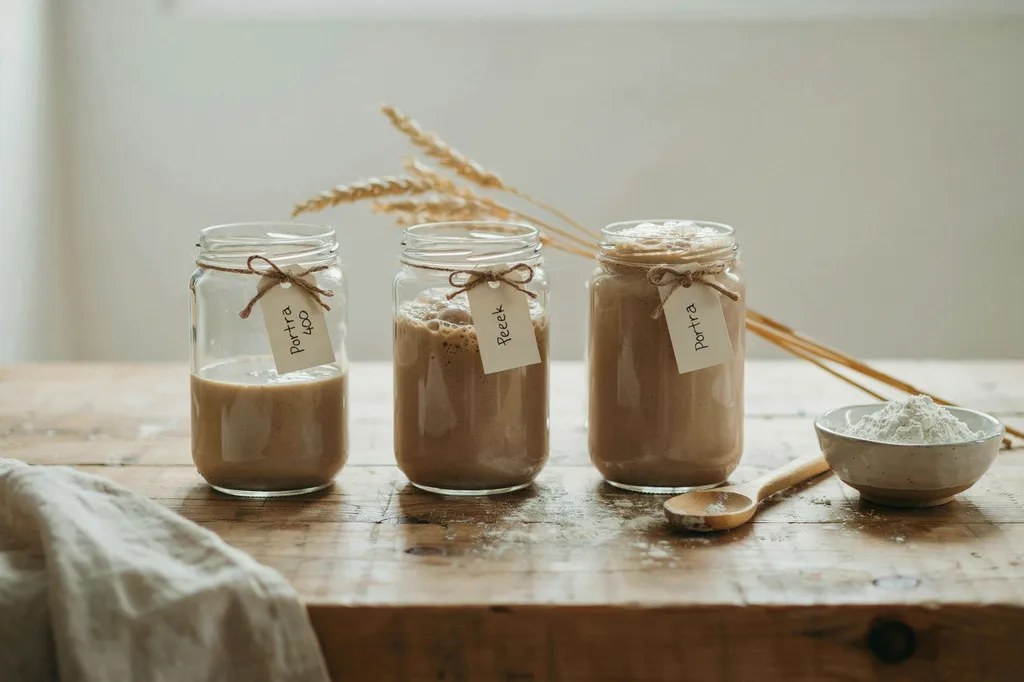
Mix 50 g fresh-milled flour and 50 g water daily; on day 3 switch to 20 g starter + 50 g flour + 50 g water and discard the rest. By day 7 the starter doubles within 6 hours and is ready to bake with.
Key Takeaways
- Fresh-milled rye and red wheat carry more wild yeast than commercial flour and dramatically speed up starter creation.
- A 1:1:1 feed by weight (starter:flour:water) is the standard maintenance ratio.
- The starter is ready when it reliably doubles in 4–8 hours at 75°F and floats in water.
- Refrigerate once mature and feed once a week — bring to room temperature and feed twice before baking.
About this recipe
Build a vigorous sourdough starter from scratch using fresh-milled hard red wheat and rye. Wild yeast lives on the bran, so freshly milled flour wakes up faster than commercial flour.
Ingredients
- freshly milled hard red wheat flourabout 350 g total over the week
- freshly milled rye flourabout 100 g (used days 1–2 to jumpstart fermentation)
- filtered water (75–80°F)about 450 g total over the week
- clean glass jar with loose-fitting lid1 quart capacity
- digital scalereads to 1 g
Instructions
- 1
Day 1: Combine 50 g fresh-milled rye and 50 g water in the jar. Stir, cover loosely, rest at 75°F for 24 hours.
- 2
Day 2: Discard half. Add 25 g rye + 25 g hard red wheat + 50 g water. Stir, cover, rest 24 hours.
- 3
Day 3: Expect bubbles and a sharp smell. Discard all but 20 g. Feed 50 g hard red wheat + 50 g water. Switch to 12-hour feeds.
- 4
Day 4: Discard all but 20 g; feed 50 g flour + 50 g water every 12 hours. Activity should peak then deflate between feeds.
- 5
Day 5–6: Continue 12-hour 1:2.5:2.5 feeds. Look for predictable doubling within 6 hours after feeding.
- 6
Day 7: Float test — drop a teaspoon of starter in water. If it floats, the starter is ready to bake with. If not, continue daily feeds 1–3 more days.
- 7
Maintenance: feed 1:1:1 daily at room temperature, or weekly in the refrigerator. Bring out and feed twice before any bake.
how to start milling flour at home — hydration, gluten development, and grain choice tips that make this recipe work.
Learn about this grain: Rye guide — flavor, milling notes, baking tips, and four in-depth guides on hydration, storage, and common mistakes. Or browse more Rye recipes.
Learn a technique
All guides →- How to Store Wheat BerriesKeep berries in an airtight food-grade container in a cool, dark place for 1–5 years. Decades of shelf life requires Mylar with oxygen absorbers under 70°F. Mill what you will use at peak.
- How to Autolyse Fresh Milled FlourCombine flour and water and let it rest before adding yeast and salt. Bran softens, gluten develops passively, and the final dough is dramatically easier to handle.
- How to Stretch and Fold DoughEvery 30 minutes during bulk ferment, lift one side of the dough, stretch up, and fold over the top. Rotate 90° and repeat.
Related recipes
Browse all recipes →
Fresh-Milled Artisan Hearth Bread
A rustic Dutch-oven loaf made with 100% freshly milled hard red and hard white wheat. Open crumb, crackly crust, leavened with commercial yeast.
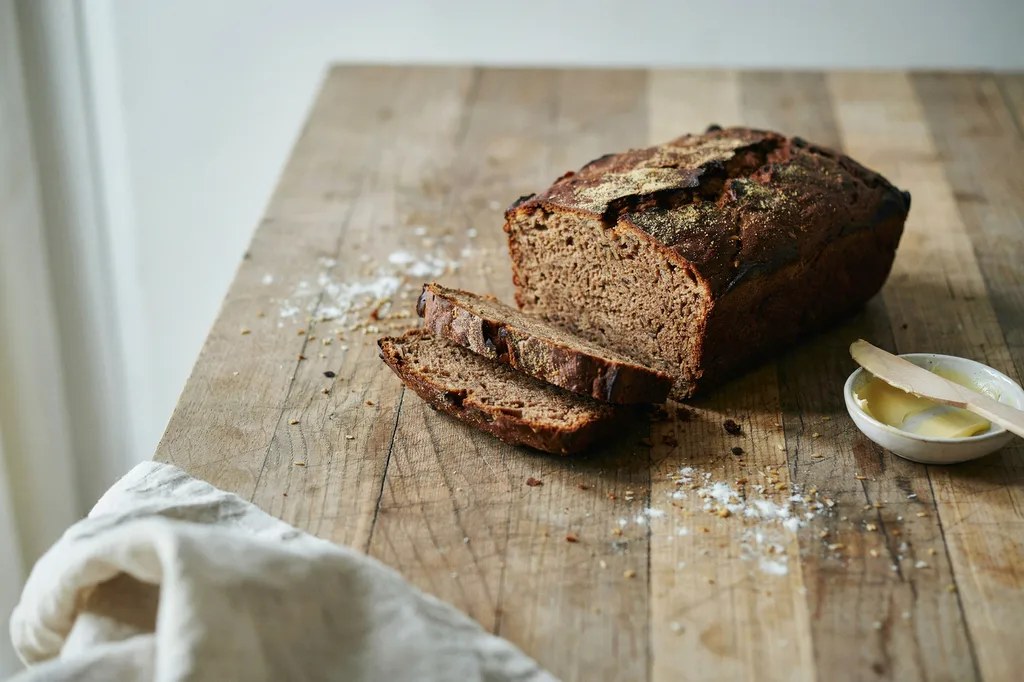
100% Rye Pan Loaf
A dense, moist, deeply flavored 100% fresh-milled rye pan loaf — built on a yogurt-style batter rather than a kneaded dough.
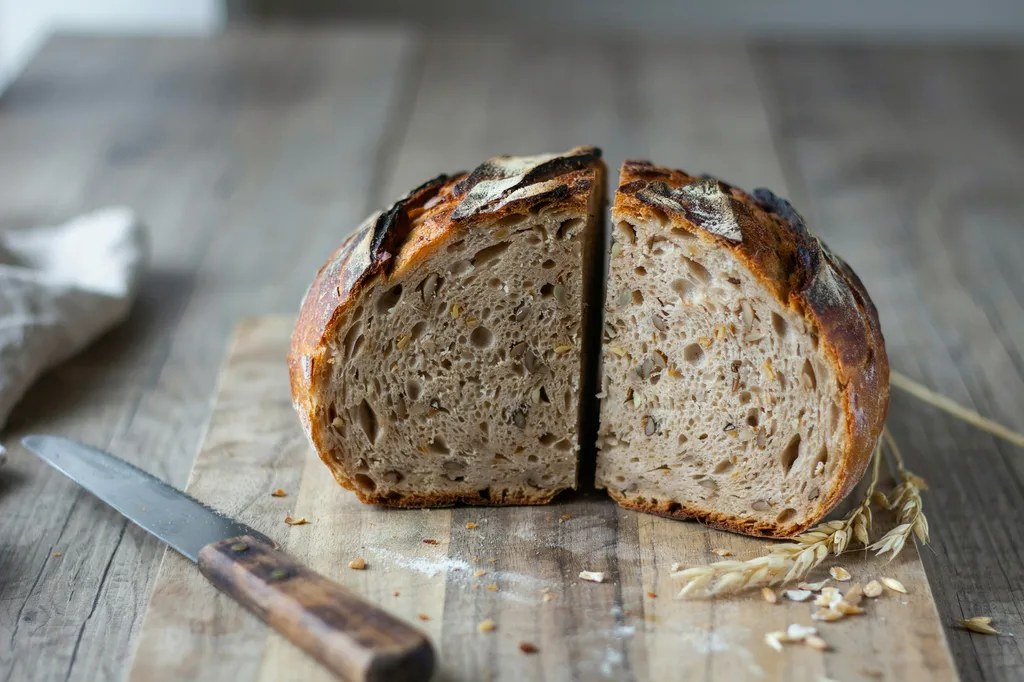
100% Whole Wheat Sourdough
A deeply flavored sourdough loaf made entirely from fresh milled hard red wheat.
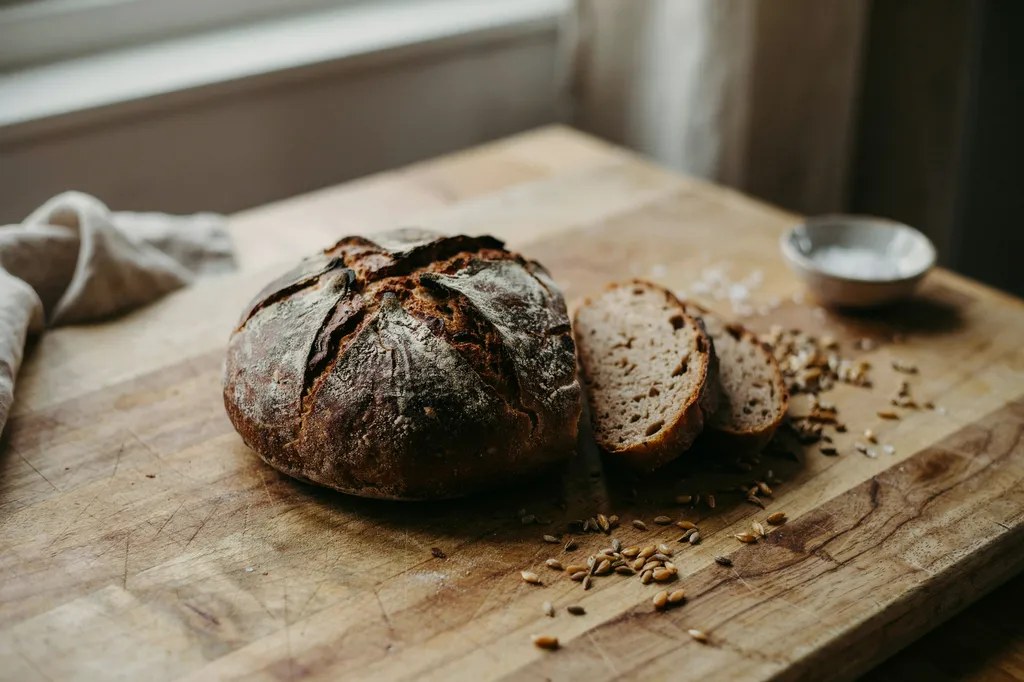
Rye Sourdough
Rye is not wheat. It does not develop gluten the same way, it absorbs vastly more water, and it is colonized by enzymes (pentosans) that completely change how you handle it. Forget every shaping and folding technique you have learned. A 100% rye loaf is mixed like batter, scraped into a pan, proofed once, and baked low and long. This recipe uses freshly milled whole rye berries for maximum flavor and a fresh enzyme load that helps the dough rise. Hydration sits at 80% — anything less and the dough will be unworkable. Even at 80% it will feel like wet clay; that is correct. Fresh milled rye sourdough is a different bread tradition entirely. It is dense by design. It slices thin, keeps for a week, and is meant to be eaten with butter, smoked fish, hard cheese, or pickles. Do not try to make it open and airy — that is wheat thinking. The starter matters more than for any other bread. A vigorous, freshly fed 100% rye starter at peak is the difference between a beautifully risen loaf and a brick. If your starter is wheat-based, feed it twice with rye flour over 24 hours before mixing the dough.
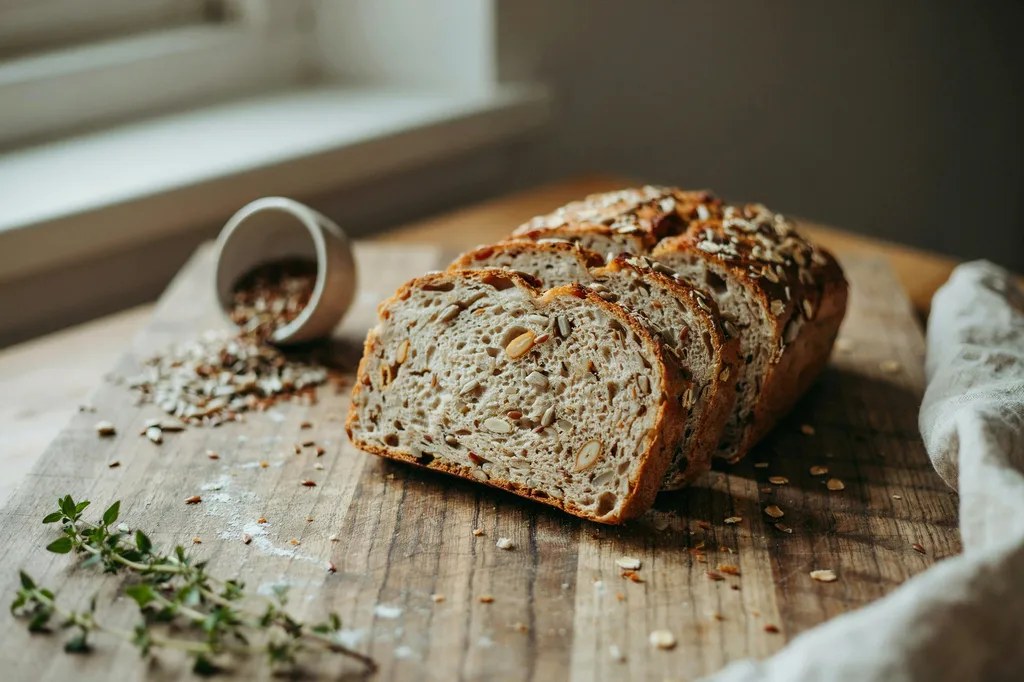
Fresh-Milled Multigrain Bread
Baking with freshly milled hard white wheat, spelt, and rye flour transforms an everyday recipe into something extraordinary. Within minutes of milling, whole-grain flour is bursting with natural oils and a sweet wheaty aroma — the part that fades first once flour sits — and it still carries the whole berry: bran, germ, and endosperm. Commercial white flour has the bran and germ removed and is stabilized for months of shelf life — fresh milling skips all of that, so you bake with the whole grain and with the aroma still in it. True multigrain bread is more than just a sprinkle of seeds on top — this loaf blends three different freshly milled grains for layered flavor and texture. Hard white wheat provides the strong gluten backbone, spelt adds a buttery sweetness, and rye contributes a deep, earthy aroma. The combination creates a hearty sandwich loaf with the kind of complex flavor you simply cannot buy from a grocery shelf. If you have a home mill, this is the recipe that justifies it. Milling small batches of each grain preserves the volatile oils that give multigrain bread its signature aroma. The dough is slightly more challenging than a single-grain loaf because rye lowers gluten strength, but a long autolyse and a gentle hand during shaping keeps the structure intact.
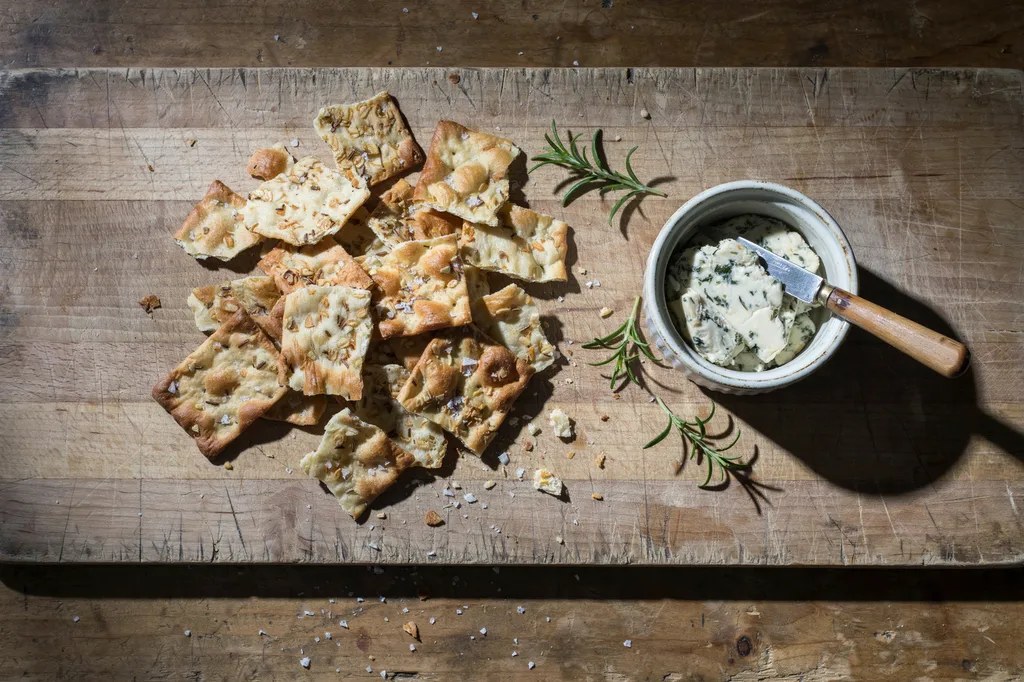
Fresh-Milled Sourdough Discard Crackers
Thin, crispy seeded crackers made from sourdough discard and freshly milled flour — perfect for cheese boards and lunchbox snacks.
Related Content
Recommended Grains
Related Techniques
How to Store Wheat Berries
Keep berries in an airtight food-grade container in a cool, dark place for 1–5 years. Decades of shelf life requires Mylar with oxygen absorbers under 70°F. Mill what you will use at peak.
How to Autolyse Fresh Milled Flour
Combine flour and water and let it rest before adding yeast and salt. Bran softens, gluten develops passively, and the final dough is dramatically easier to handle.
How to Stretch and Fold Dough
Every 30 minutes during bulk ferment, lift one side of the dough, stretch up, and fold over the top. Rotate 90° and repeat.
Related Troubleshooting
Why does my bread taste too yeasty?
Bread has a strong, alcoholic, or beer-like yeast flavor that overpowers the grain.
Why isn't my sourdough sour enough?
Sourdough bakes well but lacks the tangy sour flavor expected from naturally leavened bread.
Why is my fresh milled dough rising so slowly?
Fresh milled dough rises but takes far longer than expected to show visible volume change.
Why is my sourdough starter not doubling?
A sourdough starter feeds normally but fails to reliably double in volume between feedings.
Why is my sourdough starter weak?
A starter that rises slowly, barely doubles, or fails to leaven bread reliably.
Why is my sourdough too sour?
The finished loaf has a sharp, vinegary, or unpleasantly tangy flavor that overwhelms the bread.
Related Comparisons
Fresh-Milled Flour vs Store-Bought Whole Wheat
How home-milled wheat flour compares to commercial whole wheat in flavor, nutrition, hydration, and shelf life.
Sourdough vs Commercial Yeast for Fresh-Milled Flour
How sourdough and commercial yeast each perform with fresh-milled flour — flavor, digestibility, schedule, and crumb.
Related Conversions
Bread Flour to Fresh Milled Flour
Bread flour is refined, high-protein endosperm. To replace it you need a grain with comparable protein, which means hard red wheat at 13–14%. The swap is 1:1 by weight; add 7–10% more water and autolyse 30–60 minutes so the bran softens before you build strength. Fermentation runs 10–25% faster, not slower — check the dough early rather than extending bulk. Bread Flour to Hard Red Wheat carries the detailed figures. If you want a lighter loaf and can accept slightly less strength, Bread Flour to Hard White Wheat runs +5–8%.
All-Purpose Flour to Fresh Milled Flour
This is the general principle: all-purpose is refined endosperm, fresh milled flour is the whole kernel, so it drinks more water and ferments 10–20% faster. The swap is 1:1 by weight in every case; only the water changes. Which grain you mill decides how much. Hard white wheat is the closest analog to all-purpose and the numbers on this page follow it — for the detailed, per-bake breakdown use All-Purpose to Hard White Wheat. If you want more flavor and can accept a darker crumb, All-Purpose to Hard Red Wheat runs +7–10% instead.